How to Rank in ChatGPT Searches (2026 Visibility Guide)
.png)
- ChatGPT reformulates each query, pulls snippets from web sources like SEO pages, reviews, Reddit, and YouTube, then summarizes them into one cited answer.
- Content becomes discoverable when you align pages with real prompts, use an extractable structure, show up on key external sources, and send clear entity and social proof signals.
- To increase visibility, baseline how often you appear for key prompts, then turn your best-customer keywords into a focused prompt bank.
- Map which sources shape each prompt, then prioritise and create bottom-of-funnel, LLM-friendly assets that fully complete the user journey.
- Use AI visibility tools to track share of voice, citations, and AI-driven traffic, so you can see what works and refine your strategy.
Every marketer is obsessed with ranking, but the real shift is happening in the AI chat interface. OpenAI's ChatGPT processes over 2.5 billion user prompts every day, and traffic from LLMs converts at nearly 9x higher rates than traditional search. If your brand isn’t showing up in those answers, buyers may simply not be encountering you at the moments that influence their decisions.
In this article, you’ll see how ChatGPT searches and retrieves information, and what makes content discoverable to it, including the core factors that shape visibility. We’ll then cover how to increase visibility in ChatGPT searches, common mistakes that reduce it, and a tool to monitor your brand’s presence in ChatGPT and other LLMs.
How Does ChatGPT Search and Retrieve Information?
At its core, ChatGPT works like a retrieval engine. The process looks like this:
- ChatGPT reformulates the query to better interpret your intent - who you are, what you’re trying to do, and how specific or high-level the answer should be.
- Fetches data from multiple web sources - top-ranking SEO pages, Reddit threads, YouTube transcripts, review sites, documentation, and help centres that match that intent.
- Run a summarisation model to compile the best snippets into one coherent, conversational answer tailored to your original prompt and context.
- Surfaces citations from the sources it relied on most, so you can see (and click through to) the key pages that shaped the final response.
What Makes Content Discoverable to ChatGPT?
For ChatGPT, discoverability is how easily the model can grab the right slice of your content and drop it into an answer.
1. Align With the Questions People Actually Ask
ChatGPT is trying to solve a task, not match keywords. You make content more discoverable when you:
- Build each page around one core question or job to be done.
- Structure the article so that each section adds new, useful information and, together, they answer the topic end to end.
- Explicitly define key user and business constraints: role, industry, company size, region, budget, and compliance requirements.
2. Package Information Into Clean, Reusable Chunks
LLMs don’t use full pages; they pull specific sections. You increase reuse when each section:
- Starts with a clear one-paragraph answer, then adds context and examples.
- Sticks to one main idea instead of mixing topics.
- Uses short paragraphs, bullets, and numbered steps.
- Includes small “units” of value: definitions, pros/cons, checklists, tables, FAQs, or examples.
3. Provide Enough Signals That You’re Safe To Quote
ChatGPT prefers content that feels grounded and low-risk:
- Back up claims with first- and third-party data, case studies, and current sourced numbers.
- Use factual, neutral, unbiased, and comparison-friendly language and be honest about trade-offs.
- State who the advice is for and where it does not apply (“best for small teams”, “not ideal if you need X”).
4. Design Content to Complete the User Journey
ChatGPT favors content that helps users finish what they started. Not just learn, but act.
Your content becomes more discoverable when it:
- Keeps users moving through a clear next step instead of hitting dead ends
- Connects related topics so readers naturally “go deeper.”
- Helps users finish the task they came for (learn, compare, decide, or sign up)
Once someone lands on your content, the real signal is what they do next:
- Do they read more?
- Do they take action?
- Do they complete the journey?
Google and ChatGPT both lean toward content that solves problems end-to-end instead of stopping halfway.
With WorkDuo, you can see exactly how ChatGPT talks about your brand today and what to fix so your content shows up more often in its answers.
The 4 Core Factors That Affect ChatGPT Discoverability
These are the key factors that shape how easily your content can be discovered.
1. Extractable, LLM-Friendly Structure
LLMs are retrieval engines. They pull chunks of information, not whole pages.
Your content becomes more discoverable when each section is:
- Framed by a clear H2/H3 that matches a real query or task
- Short enough to skim, but complete enough to reuse as-is
- Broken into bullets, steps, and tables instead of dense paragraphs
- Covering varied prompts: definitions, how-tos, “best tools”, comparisons, reviews, troubleshooting, and implementation.
- Addressing multiple personas: founders vs leaders, marketers vs engineers, agencies vs in-house teams.
To do this in practice:
- Use inverted pyramid style: lead with the answer, then add context and examples.
- Keep sentences short and avoid nested, ambiguous phrasing.
- Add key takeaways at the top so the core points are visible in seconds.
- Use “Pro tips”, “Expert picks”, FAQs, and call-out boxes to create neat, high-value chunks.
The clearer those units are, the easier it is for ChatGPT to lift one into an answer.
2. Presence on the Sources LLMs Actually Pull From
ChatGPT pulls from a mix of sources, not just your own domain. For any competitive category, you’ll typically see a blend of:
- Long-form SEO content
- “Best X” and “alternatives to X” listicles
- Reddit and niche community threads
- YouTube videos and transcripts
- Review platforms (G2, Capterra, etc.)
- Product docs and help centres
- Reference sources such as Wikipedia
The goal is multi-channel organic coverage: when someone asks a buying-intent question, AI tools should see your brand in the SERP, in comparison posts, in reviews, and in community threads, not just on your own site.
A good example is “Rippling,” which surfaces in multiple parts of the SERP for the query “Best HR software.”
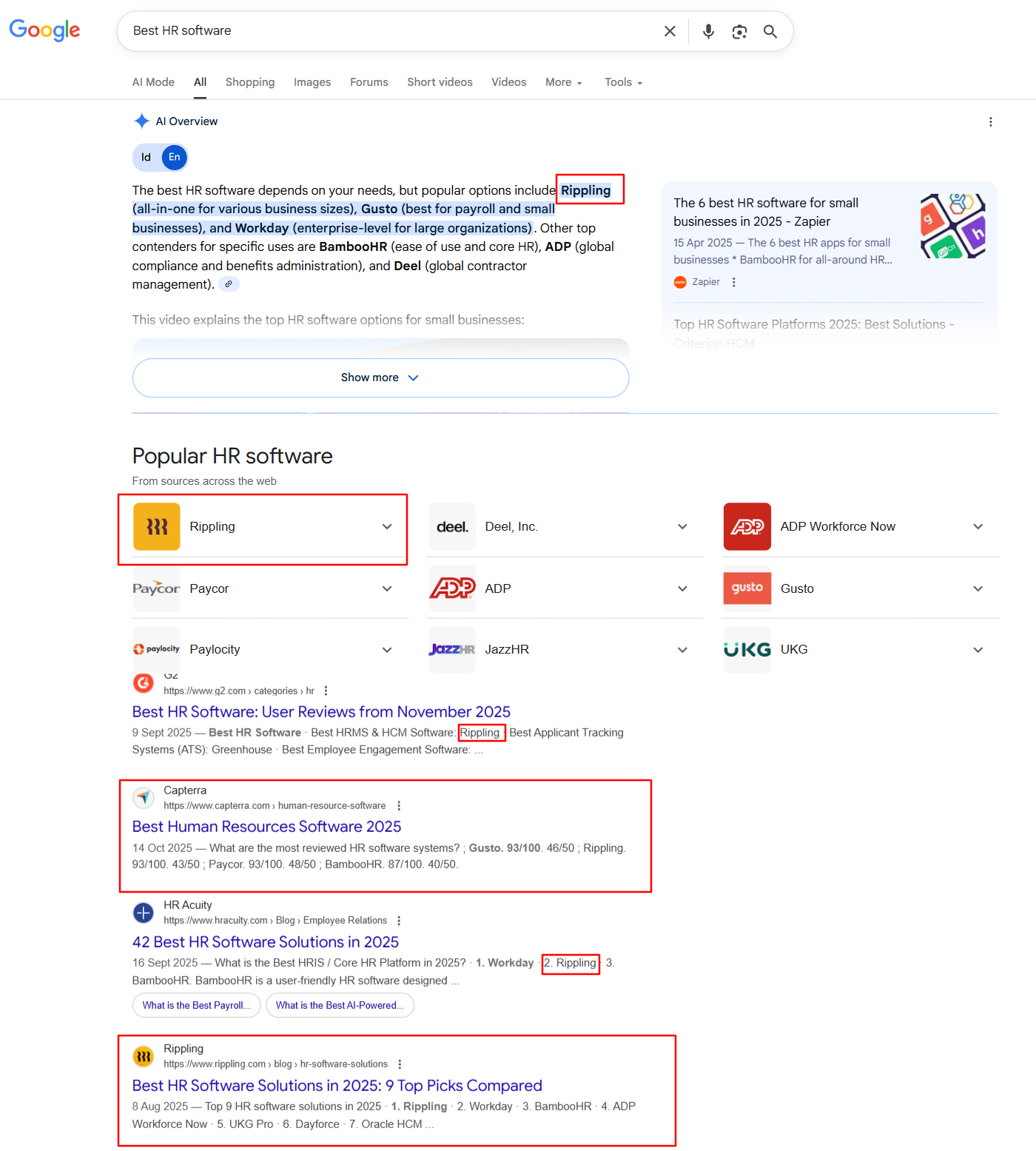
Owning multiple spots also means you control the narrative across channels, not just your own site.
3. Clear Entity Signals and Product Documentation
For ChatGPT to talk about you confidently, it has to clearly understand who you are and what you do.
You strengthen those signals when you:
- Use consistent brand, product, and feature names everywhere.
- Keep product pages, pricing, and feature summaries simple and self-explanatory.
- Build strong help folders/FAQs that answer specific “how do I…?” queries.
- Consider a Wikipedia page (where appropriate) as a central reference point.
- Interlink related assets (guides, docs, case studies) so crawlers see the full context.
All of this makes it easier for LLMs to connect mentions across the web and map them back to the same entity, you.
4. External Social Proof and Sentiment Footprint
ChatGPT pays attention to how the rest of the web talks about you.
What matters most here is:
- Detailed, recent reviews on platforms like G2, Capterra, and app marketplaces
- Honest discussions in Reddit threads, Slack/Discord communities, or niche forums
- Mentions in newsletters, industry blogs, and comparison roundups
It’s not just how often you’re mentioned, but which of those mentions end up inside AI answers.
WorkDuo, ai search visibility tool, shows you which external pages are fueling responses about you, so you can invest in the conversations that have a direct impact on your ChatGPT visibility.
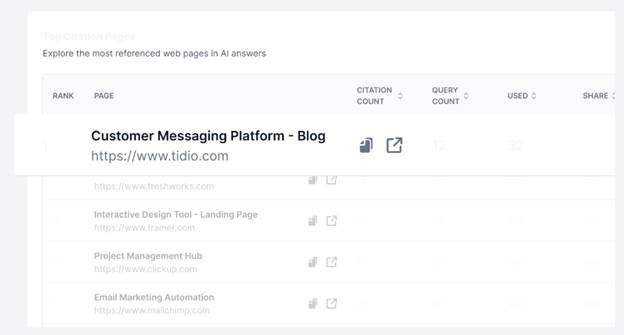
WorkDuo also helps you check whether AI answers describe you accurately and with the tone you intend or if they’re using outdated information, favoring competitors, or reinforcing the wrong narrative, so you know when it’s time to refresh your content and review strategy.
How to Increase Visibility in ChatGPT Searches?
Learn the specific steps you can take to increase your visibility in ChatGPT searches.
Step 1: Baseline Your Current AI Visibility
Before you try to increase your visibility in ChatGPT, you need to know where you stand today. Think of this as your “ChatGPT search audit”.
Start by listing the queries that matter most to you:
- Your brand name and common misspellings
- Product or feature names
- Key use cases or problems you solve
- Comparison prompts, for example, e.g., ‘‘best [category] tools’’ or “[your brand] vs [competitor]”
Then, run a sample of these queries in ChatGPT and pay attention to what comes back. For a more structured view, you can use WorkDuo to measure how often your brand is mentioned in AI responses to a specific query compared with your competitor, with a clear visibility score.
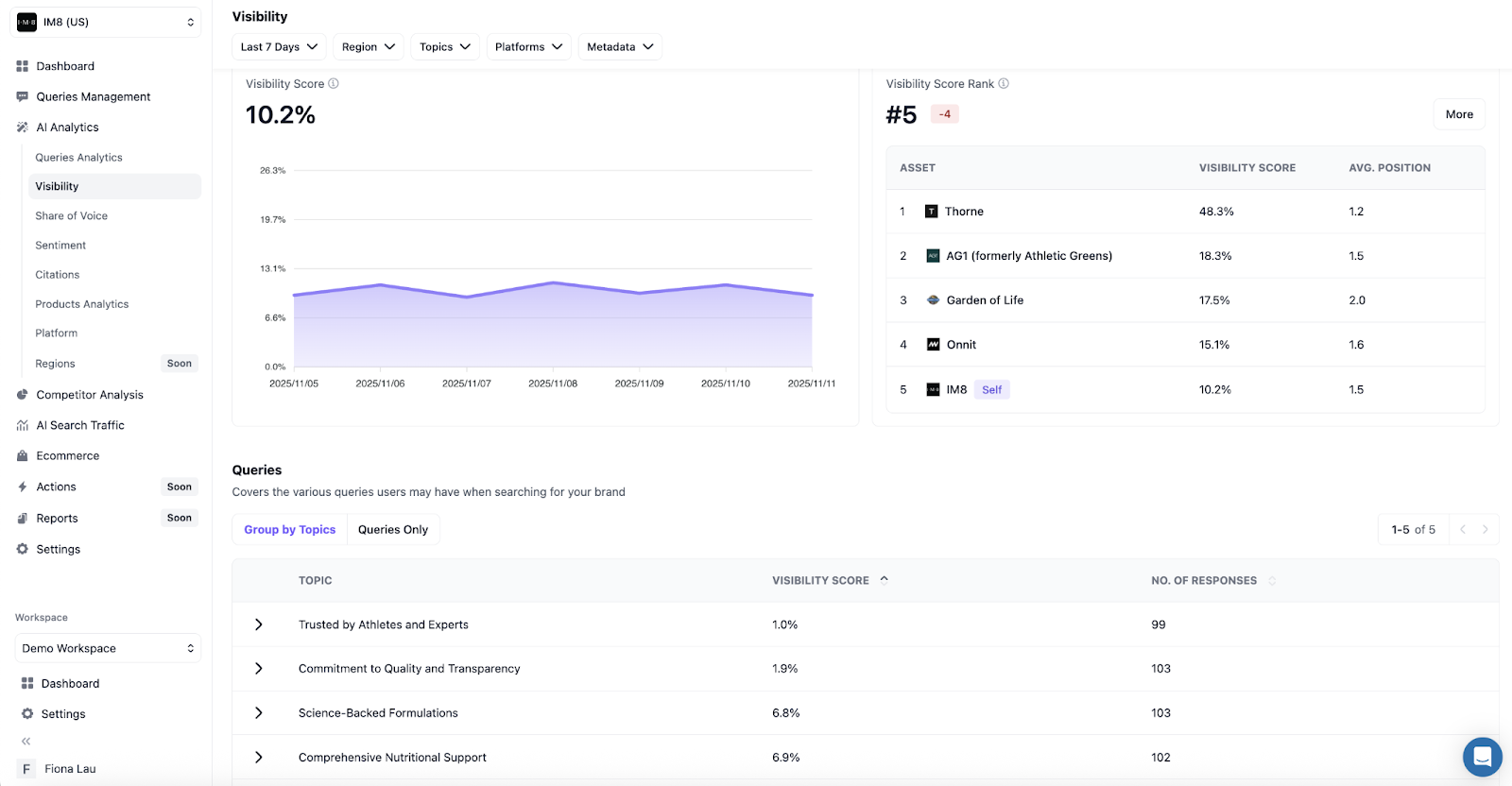
For each query, note:
- Do you appear at all in the answer?
- How does the AI describe you in a sentence or two?
- Which competitors show up instead of you?
- Which websites are cited or clearly influencing the answer?
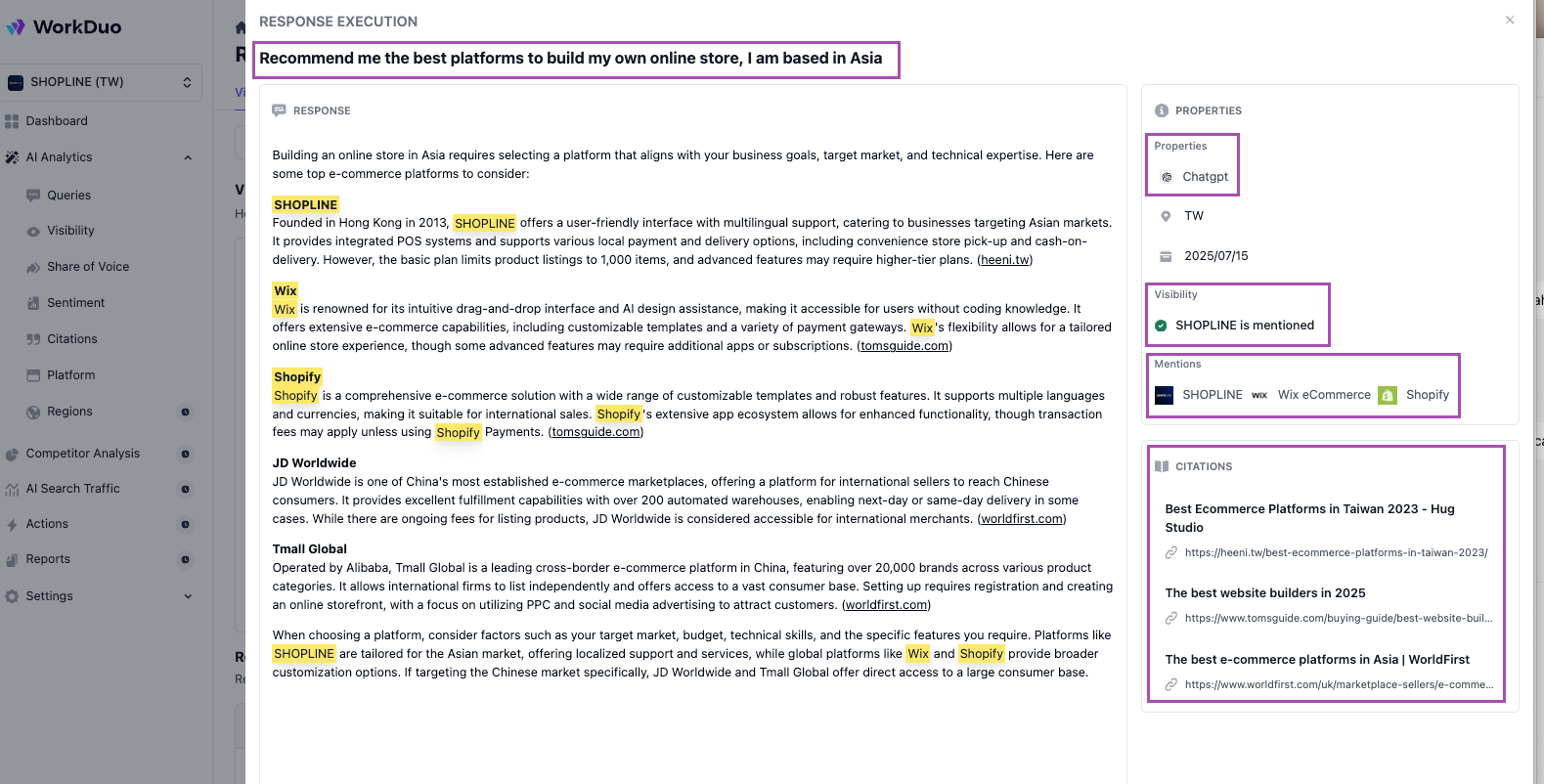
This gives you a simple but concrete baseline. Even if it is messy at first, you now have a clearer picture than “we have no idea how AI talks about us.”
Step 2: Identify the Keywords Your Best Customers Care About, Then Turn Them Into Prompts
Don’t start with every possible keyword. Start with the user segments that drive the most impact and revenue, so you can double down on them.
Ask:
- Which industries or verticals consistently show higher retention and LTV?
- Which use cases or jobs-to-be-done (JTBDs) deliver repeat engagement and expansion?
These are your strategic bets. They tell you which parts of the market you most want AI visibility for.
Now turn those bets into a prompt bank:
- Start from the seed keywords you already care about in SEO and paid search.
- Turn them into the full questions your best customers actually type into ChatGPT.
For example:
- Product prompts
- Seed keyword: “cold email software”
- Prompt: “What is the best cold email software for multi-channel outreach with LinkedIn?”
- Industry prompts
- Seed keyword: “cold email software for agencies”
- Prompt: “What’s the best cold email software for cold email agencies serving B2B SaaS?”
- Use-case prompts
- Seed keyword: “LinkedIn voice notes”
- Prompt: “What’s the best way to send LinkedIn voice notes at scale via automation software?”
This prompt bank becomes the backbone of your GEO strategy: it’s what you’ll measure against and optimise for.
Step 3: Map the Sources That Influence Each Prompt
Once you know which prompts matter, the next question is simple: What is ChatGPT actually reading to answer them?
For each key prompt, look at:
- Which domains are cited or clearly summarised in the answer
- Which formats do those domains use:
- Long-form SEO guides and comparison posts
- “Best X tools” or “alternatives to X” listicles
- Reddit threads and niche forums
- YouTube videos and transcripts
- G2, Capterra, and other review sites
- Product docs and help centres
- Wikipedia
Group those sources by type and intent. You’ll start to see patterns.
This source map tells you where you actually need coverage for each prompt, instead of guessing.
Step 4: Prioritise the Assets That Move Revenue First
With clear insight into the sources shaping each prompt, you can prioritise the assets that will move revenue, not just rankings.
Work through this funnel:
- Identify “money prompts”
- Anything close to “best [category] tools”, “[Brand] vs [Competitor]”, “[Brand] review”, or “[tool] for [specific use case]”.
- For each money prompt, ask:
- Which source types appear most often (Reddit, listicles, YouTube, reviews, SEO pages)?
- Which of those can you realistically influence in the next 30–90 days?
Decide on the first wave of assets. That might be:
- A Reddit asset: a detailed, genuine answer, in multiple angles, in a relevant thread
- A YouTube video: a walkthrough, teardown, or tutorial with a solid transcript for LLMs
- A comparison page: “[Brand] vs [Competitor]” or “Best [category] tools for [audience]”
- A help doc: a focused guide that answers a common “how do I…?” question
- A review profile: stronger, more detailed entries on G2, Capterra, or marketplaces
Step 5: Start Creating High-Quality Content That Is LLM-friendly
When you build or refresh a page, follow a set of rules that make it easy for ChatGPT to extract and reuse your content.
The goal is that if someone asks ChatGPT that question, your page should be the most complete, helpful, and quotable answer on the internet.
Step 6: Measure AI Search Performance, Not Just SEO
Finally, you need to know whether your visibility in AI answers is actually improving.
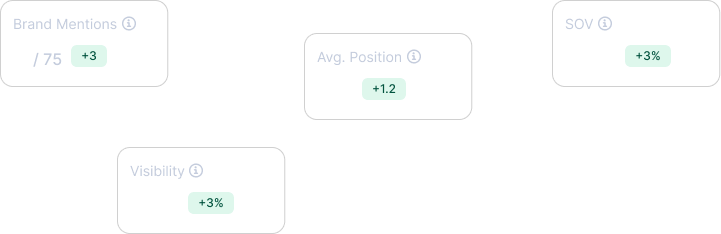
Track a small set of GEO metrics:
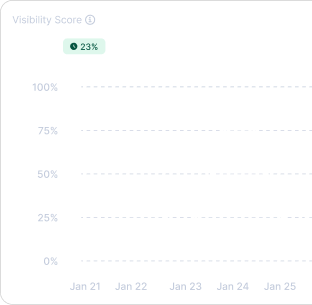
- Visibility - how often you appear for your key prompts
- Share of voice - your mentions vs competitors’ mentions
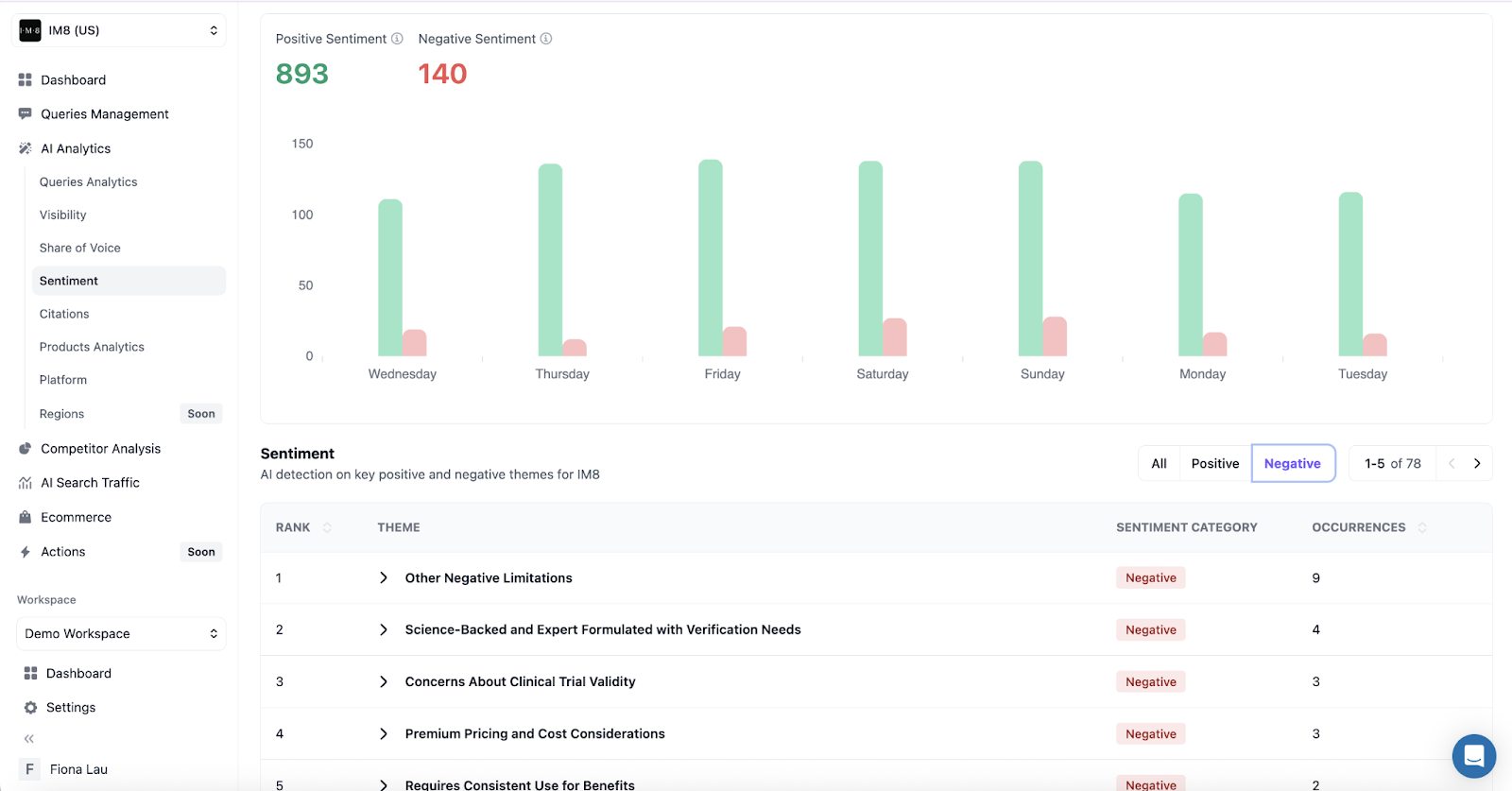
- Sentiment - whether the model’s language around your brand is positive, neutral, or negative
- Position - where you sit in AI-generated responses
Then connect this to revenue where possible:
- Add “AI chat / ChatGPT” to your “How did you hear about us?” field.
- Look for AI-assisted traffic and conversions in your analytics.
To measure, you don’t just need a generic analytics tool; you need an AI visibility command center like WorkDuo.
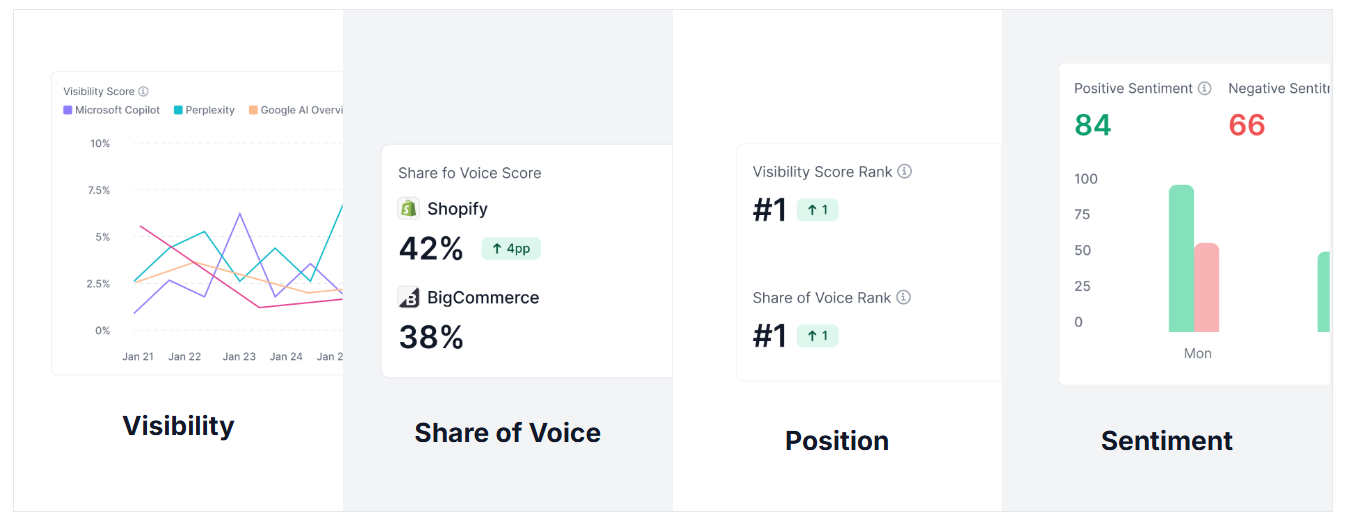
It lets you track share of voice, citation rate, and AI-referred conversions, not just rankings and traffic, and uncover exactly how AI platforms represent your brand and what drives those answers.
Unlike other AI tools that use the ChatGPT API to pull prompt data and rankings and return mixed results, WorkDuo uses real-time web browsing to capture what users actually see.
Common Mistakes That Reduce Your Visibility
Let’s look at the most common reasons your content fails to appear in ChatGPT answers:
- Optimising only your own blog: Ignoring Reddit, YouTube, review sites, and Wikipedia, even though they’re often the most cited sources in AI answers.
- Thinking in keywords, not prompts: Tracking rankings for “cold email software” while never checking “what’s the best cold email software for agencies?” in ChatGPT.
- Creating content that’s hard to extract: Long, dense paragraphs, vague headings, and no tables, FAQs, or bullets make it harder for models to lift clean snippets.
- Overly promotional tone: Copy that reads like an ad is less likely to be quoted than neutral, balanced comparisons with data and trade-offs.
- Not measuring AI search performance: Relying only on organic traffic and ignoring mention rate, share of voice, or citation quality inside LLMs.
Monitor Your Brand Visibility in ChatGPT and Other LLMs with WorkDuo
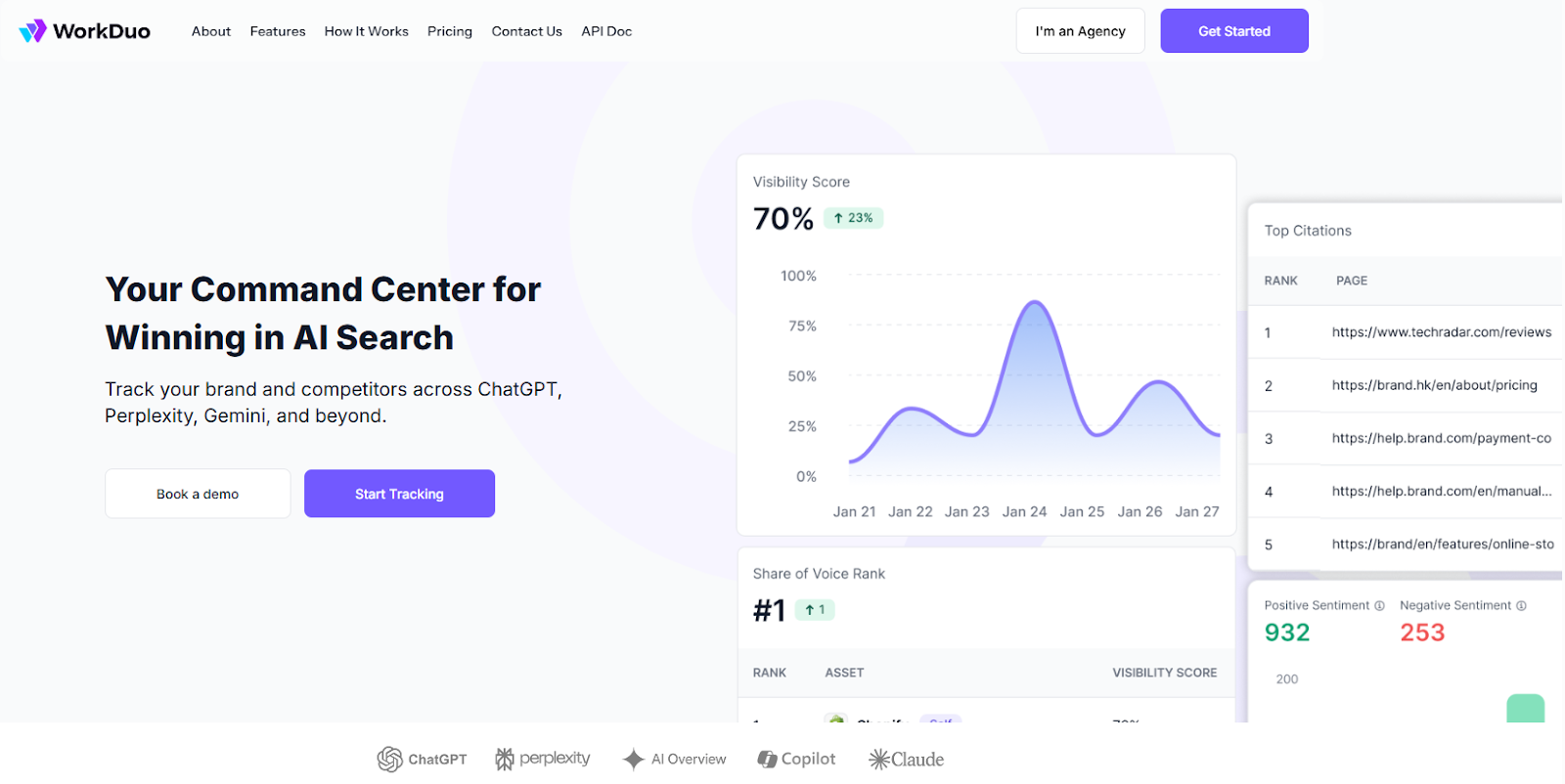
If you want to rank in ChatGPT, you need to see what buyers actually see. WorkDuo lets you monitor brand visibility across major LLMs, benchmark competitors, and analyze citation patterns and AI-driven traffic in one place.
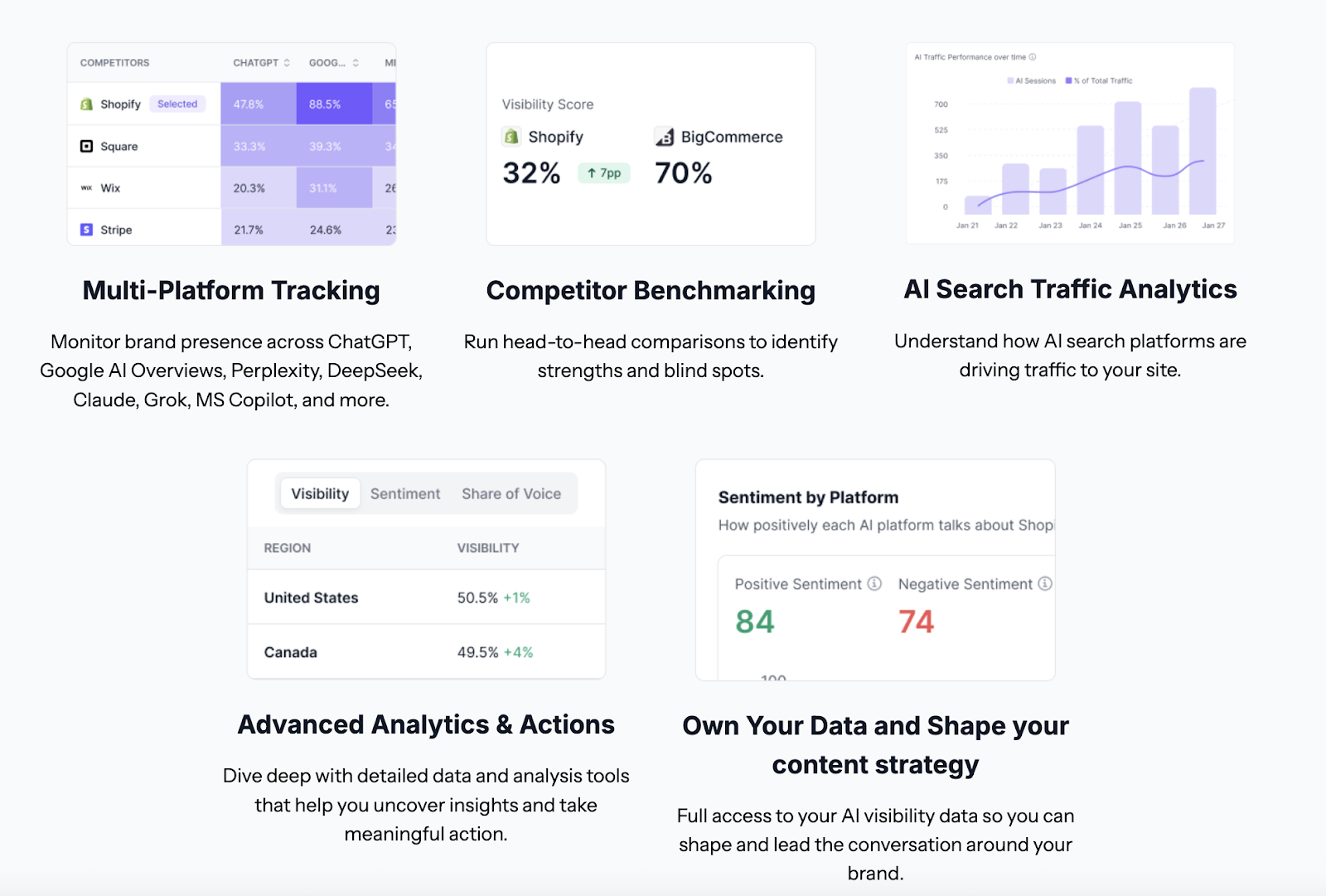
You own the data, shape the strategy, and everyone on your team can access it with unlimited user seats.
Fiona is the Co‑Founder of WorkDuo AI, where she helps brands optimize their AI search visibility. Previously, she co‑founded SHOPLINE, a smart commerce platform in Asia, and led its successful exit to a NASDAQ‑listed company in 2022. With deep expertise in scaling tech businesses and working with global investors, Fiona now advises startups on growth and data-driven decision-making, while leading WorkDuo’s mission to improve how brands are represented in AI-driven search.

Ready to try our product?
Sign up for a free consultation with our experts.


Follow Us on Social Media
Follow our profiles for daily updates, behind-the-scenes content, and more.




More articles