Top 9 Answer Engine Optimization (AEO) Platform for Agencies
.png)
- WorkDuo is an AEO and AI search visibility platform for agencies that need white-label reporting, API access, multi-client tracking, competitive benchmarking, and reporting that fits client workflows.
- Profound is an enterprise AEO platform for agencies managing larger clients that need deeper AI visibility analysis, competitive strategy, and more advanced client recommendations.
- Scrunch is a technical AEO monitoring platform for agencies that want prompt tracking, citation insights, competitor monitoring, and AI crawler data to explain visibility changes more clearly.
- Otterly AI, Semrush, Peec AI, Writesonic, Ahrefs, and AthenaHQ serve different agency needs, from simple AI visibility monitoring and citation reporting to broader SEO research, content optimization, and strategic GEO program management.
- The best AEO platform for an agency depends on whether it supports real multi-client workflows, fits the client type, scales with pricing, offers real-time tracking, and makes it easy to turn AI visibility data into client-ready reports.
Agencies do not need another “new channel” to explain to clients. They need a repeatable way to measure and improve how brands show up in AI answers. With 80% of consumers relying on AI-written results for at least 40% of their searches, AEO is quickly becoming part of what clients expect you to manage.
In this guide, we break down 9 AEO platforms built for agency workflows, so you can track visibility across clients, benchmark competitors, and report progress without living in spreadsheets.
1. WorkDuo: Best Overall AEO Reporting for Agencies - White-Label AEO and Multi-Client AI Search Tracking
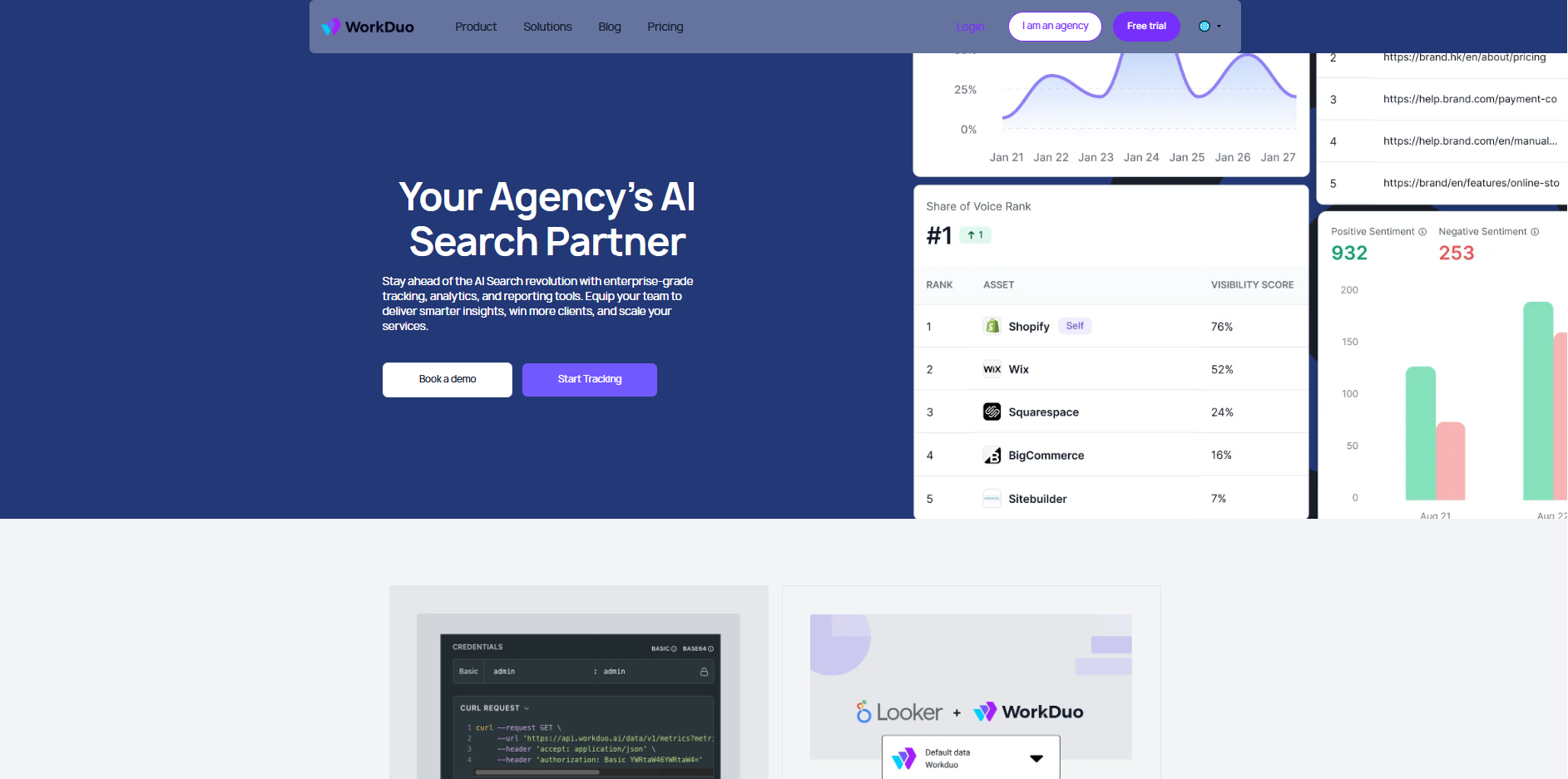
WorkDuo is an AEO and AI search visibility platform that helps agencies track how clients appear across AI-generated answers, recommendations, and search experiences.
It gives agencies the reporting tools they need to monitor client visibility, compare competitors, and turn AI search insights into clear client updates. With API access, white-label options, and built-in reporting features, WorkDuo is a strong fit for agencies managing AEO work across multiple clients.
Key Features
1. Looker Studio Integration
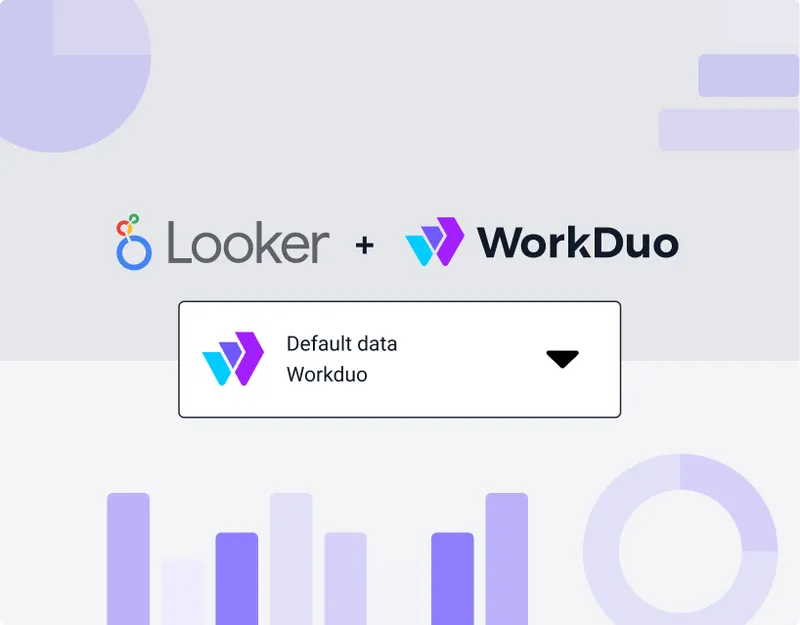
WorkDuo connects with Looker Studio, making it easier for agencies to build live dashboards for client reporting. Agencies can combine AEO visibility data with SEO, content, and performance metrics, so clients can see how AI search fits into their wider digital strategy.
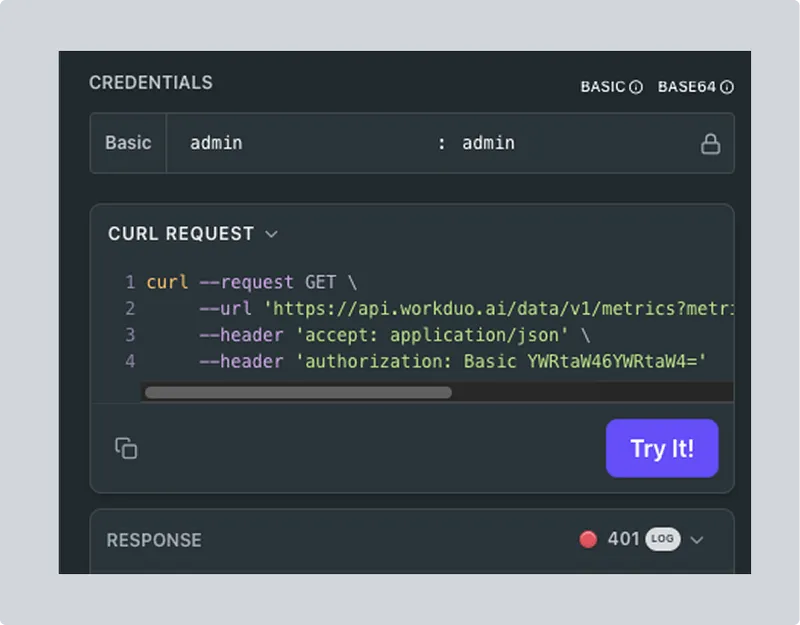
2. Powerful API Access
The platform offers API access for agencies that need more flexible and advanced reporting setups. Teams can pull WorkDuo data into custom dashboards, internal reporting systems, or client-facing portals without relying only on native reports.
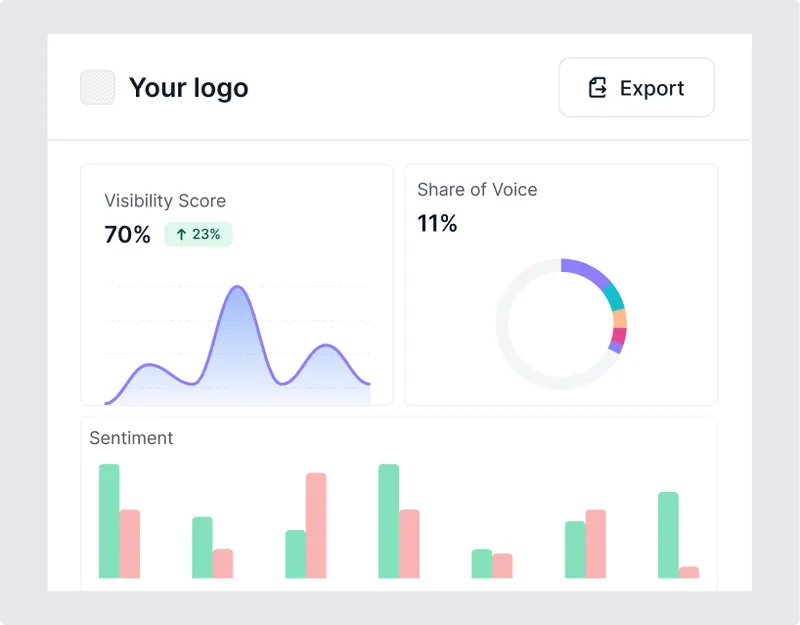
3. White Label Solutions
WorkDuo supports white-label reporting, allowing agencies to present AEO insights under their own brand. It helps agencies create a more polished client experience while positioning AI search visibility as part of their own service offering.
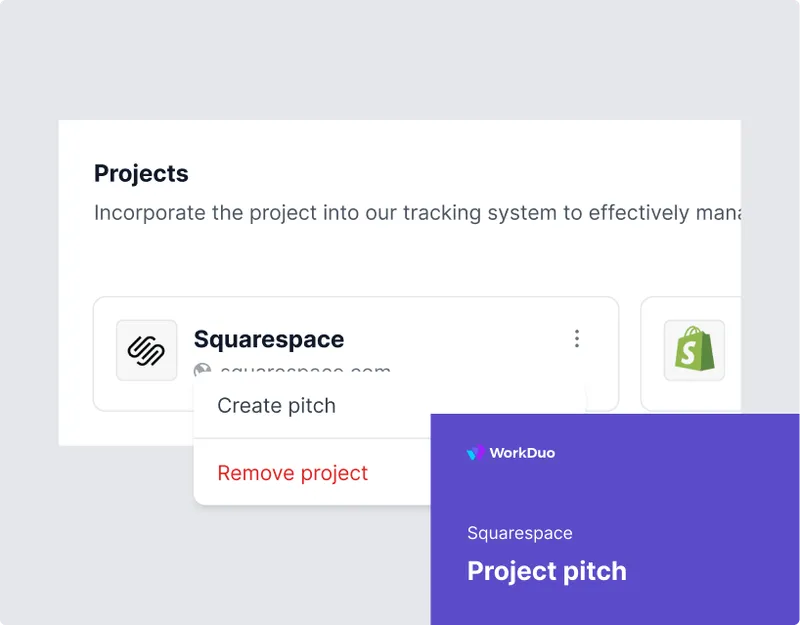
4. Pitch Projects
Agencies can create client-ready projects quickly for audits, proposals, and new business conversations. This is useful when teams need fast AEO insights, competitor comparisons, and visibility snapshots before a full client rollout.
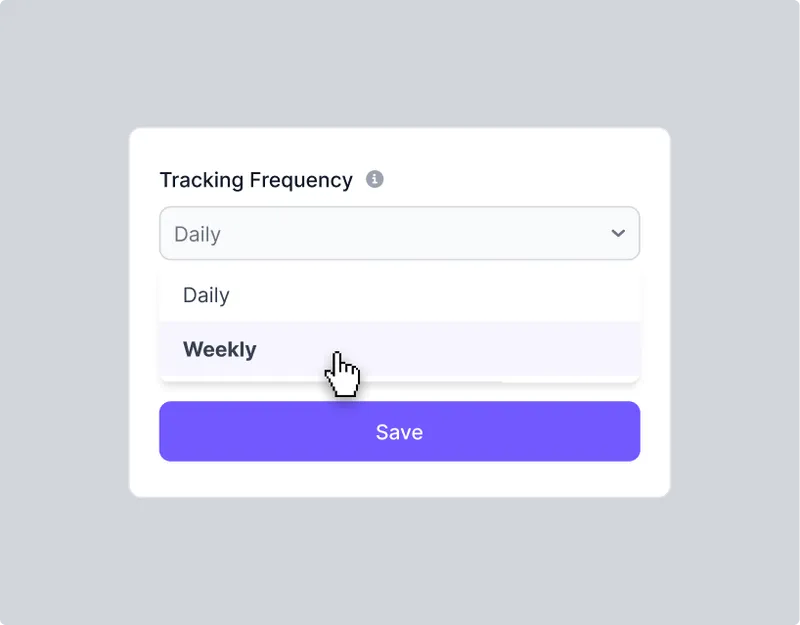
5. Custom Tracking Frequency
WorkDuo lets agencies control how often prompts are tracked based on each client’s needs. High-priority accounts can be monitored more often, while smaller projects can run on a lighter reporting schedule.
6. Competitive AI Search Reporting
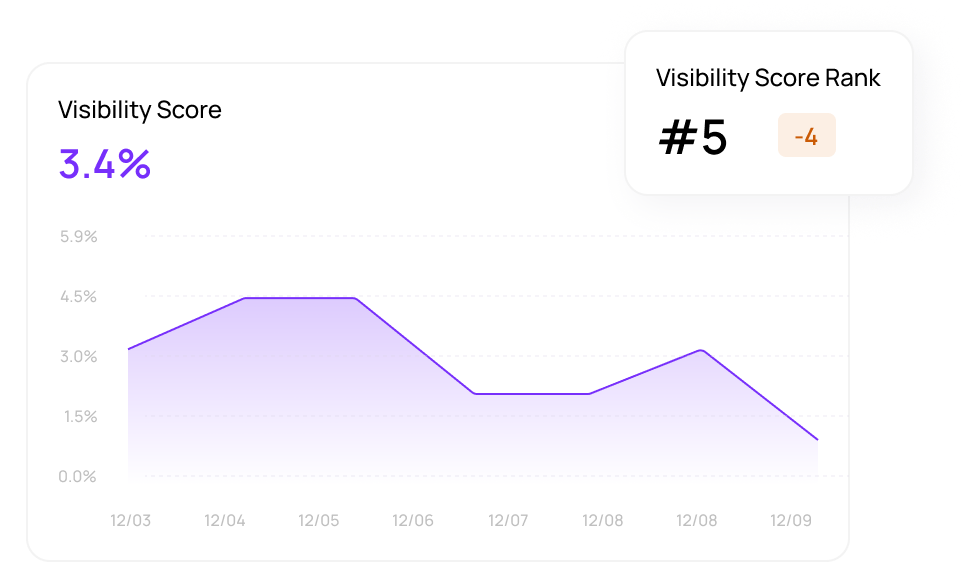
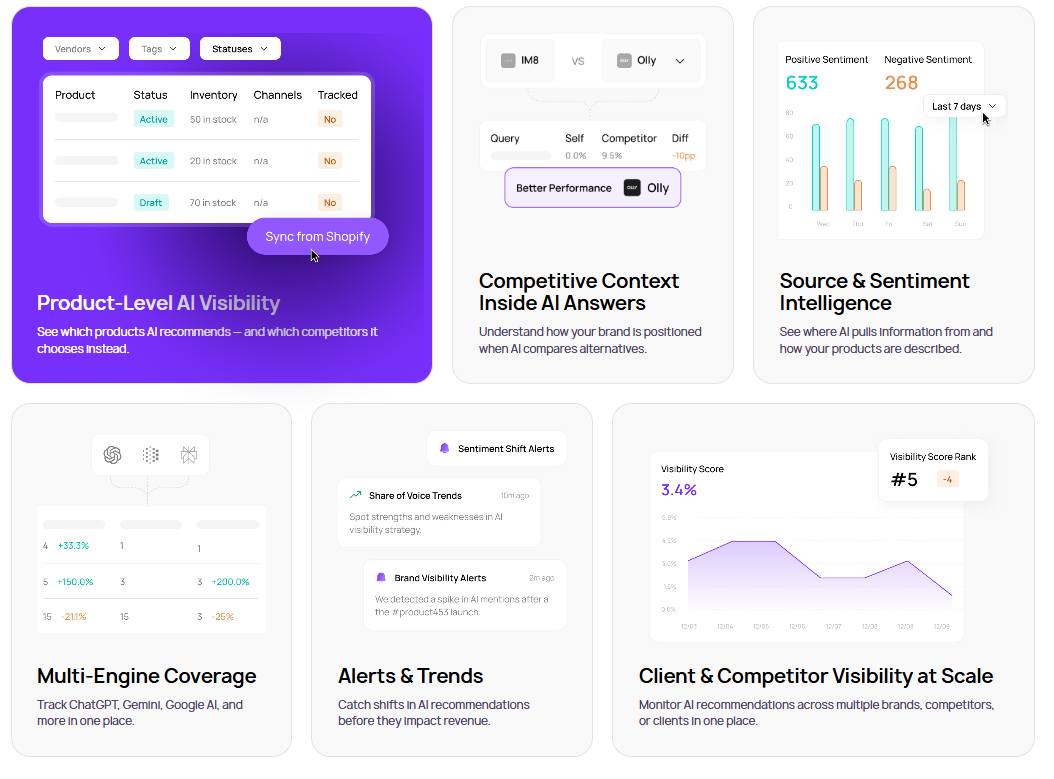
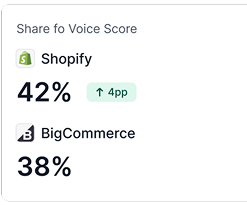
WorkDuo helps agencies report on visibility score, visibility rank, average position, and share of voice against competitors. Instead of showing simple brand mentions, agencies can explain how each client performs in the competitive AI search landscape.
7. Multi-Client and Multi-Competitor Visibility Tracking
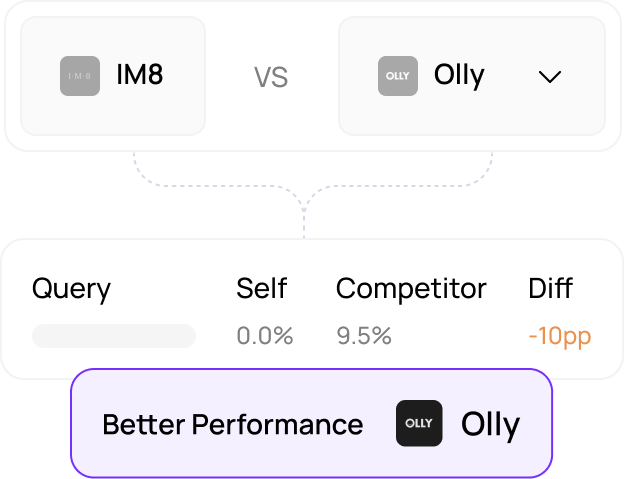
The platform is built to track multiple clients, brands, markets, and competitors from one place. For agencies managing several accounts, this reduces manual reporting work and keeps AEO visibility data easier to manage at scale.
Pricing
Where WorkDuo Shines
- Real-time tracking: Its browser-based tracking helps agencies see AI search outputs closer to what users may actually experience, instead of relying only on API-based data.
- Stronger client storytelling: WorkDuo helps agencies explain AEO performance in a way clients can understand, especially when traditional SEO reports do not show how brands appear in AI answers.
- Easier service packaging: Agencies can turn AI search visibility into a clearer client offering, with reporting, insights, and competitor tracking built around a defined AEO workflow.
- Better strategic conversations: The platform helps agencies move beyond simple visibility data and discuss positioning, sentiment, market presence, and competitive gaps in AI search.
- Alerts and trend tracking: Agencies can monitor changes in AI recommendations early, so clients can respond before visibility shifts affect demand or revenue.
- Multi-engine coverage: WorkDuo lets agencies track visibility across ChatGPT, Gemini, Google AI, and other engines from one reporting setup.
Where WorkDuo Falls Short
- Not a full traditional SEO suite: WorkDuo focuses on AI search visibility and AEO reporting, so agencies may still need other tools for backlinks, technical audits, keyword research, and site health.
- Not built for content publishing: The platform does not publish content, update landing pages, or manage on-page execution directly across client websites.
- No servicing layer: WorkDuo provides the tracking, reporting, and insight layer, but agencies still need to handle strategy, recommendations, and implementation for clients.
Who WorkDuo Is Best For
- Agencies adding AI search services: A strong fit for agencies that want to expand beyond traditional SEO reporting and offer AEO visibility tracking to clients.
- Agencies that need branded reporting: Ideal for teams that want white-label dashboards, flexible exports, and better control over how AI visibility insights are presented to clients.
- Agencies with custom reporting workflows: Best for teams that use APIs, Looker Studio, or internal dashboards to build tailored AEO reports across multiple accounts.
2. Profound: Best for Enterprise AEO Visibility and Client Strategy
Profound is a strong AEO platform for agencies working with enterprise clients that need deeper visibility across AI-generated answers.
The platform helps teams track how brands appear in AI search, understand competitive positioning, and turn visibility data into strategic recommendations. This makes it useful for agencies that need more than surface-level mention tracking when managing larger AEO programs.
Key Features
- AI visibility monitoring: Tracks how client brands appear across AI-generated answers, helping agencies measure visibility beyond traditional search rankings.
- Competitive analysis: Helps agencies compare client visibility against competitors, making it easier to explain market position in AI search.
- Optimization workflows: Connects AEO insights with practical next steps, so teams can move from reporting into strategy and content improvements.
Pricing
Where Profound Shines
- Enterprise-ready AEO tracking: Profound works well for agencies handling larger clients with more complex visibility needs.
- Strong strategic depth: It is useful when AEO reporting needs to support broader brand, content, and competitive strategy.
- Good optimization angle: The platform helps agencies turn AI visibility data into recommendations clients can act on.
Where Profound Falls Short
- Can feel heavy for smaller clients: Smaller accounts may not need the full depth of enterprise AEO tracking.
- Less focused on agency packaging: Agencies may still need to shape the insights into their own client-facing service model.
- Not only built for simple reporting: It may be more advanced than teams that only need basic AI mention tracking.
Customer Reviews
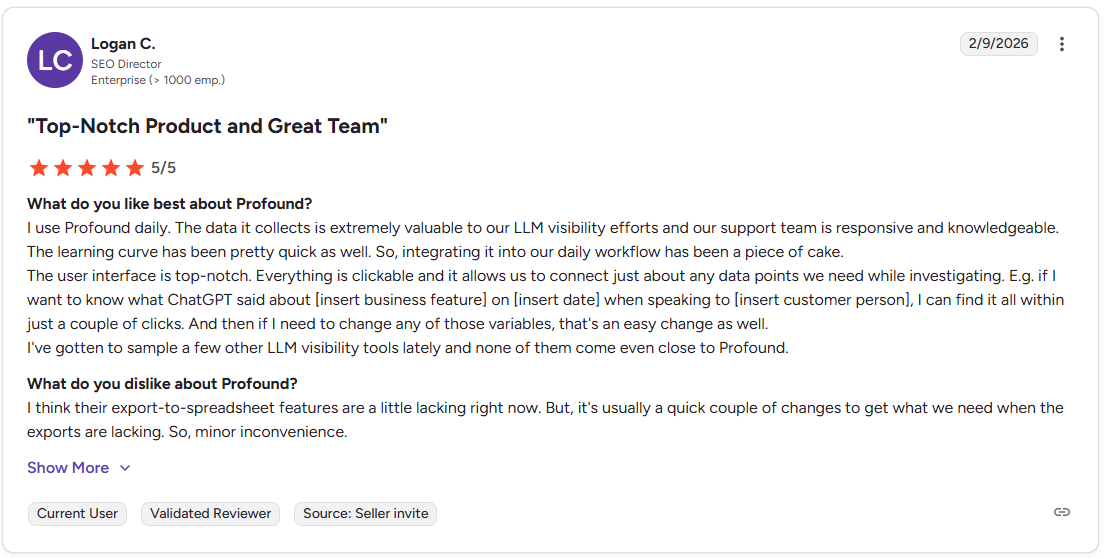
Logan C. said Profound has become part of his daily workflow because it collects valuable LLM visibility data, has a responsive support team, offers an easy-to-use interface, and makes it simple to investigate and adjust data points in just a few clicks.
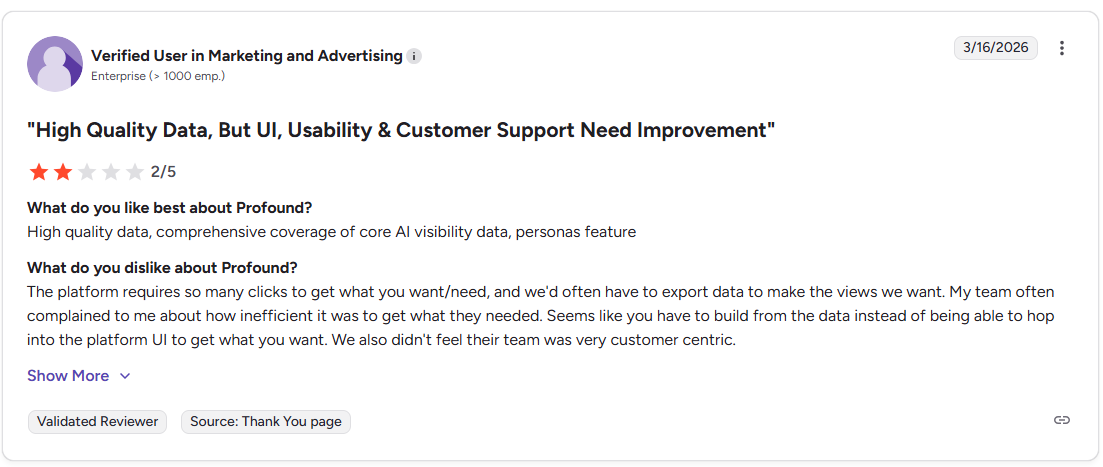
A verified user on G2 said Profound is click-heavy, inefficient to use, often requires exports to get useful views, and lacks customer-centric support.
Who Profound Is Best For
- Enterprise-focused agencies: Best for agencies managing AEO strategy for larger brands and complex markets.
- Strategic SEO teams: Useful for teams that want to connect AI visibility data with content and positioning work.
- Agencies with mature reporting workflows: A strong fit when clients expect deeper analysis, not just visibility snapshots.
3. Scrunch: Best for Technical AEO Monitoring and AI Crawler Insights
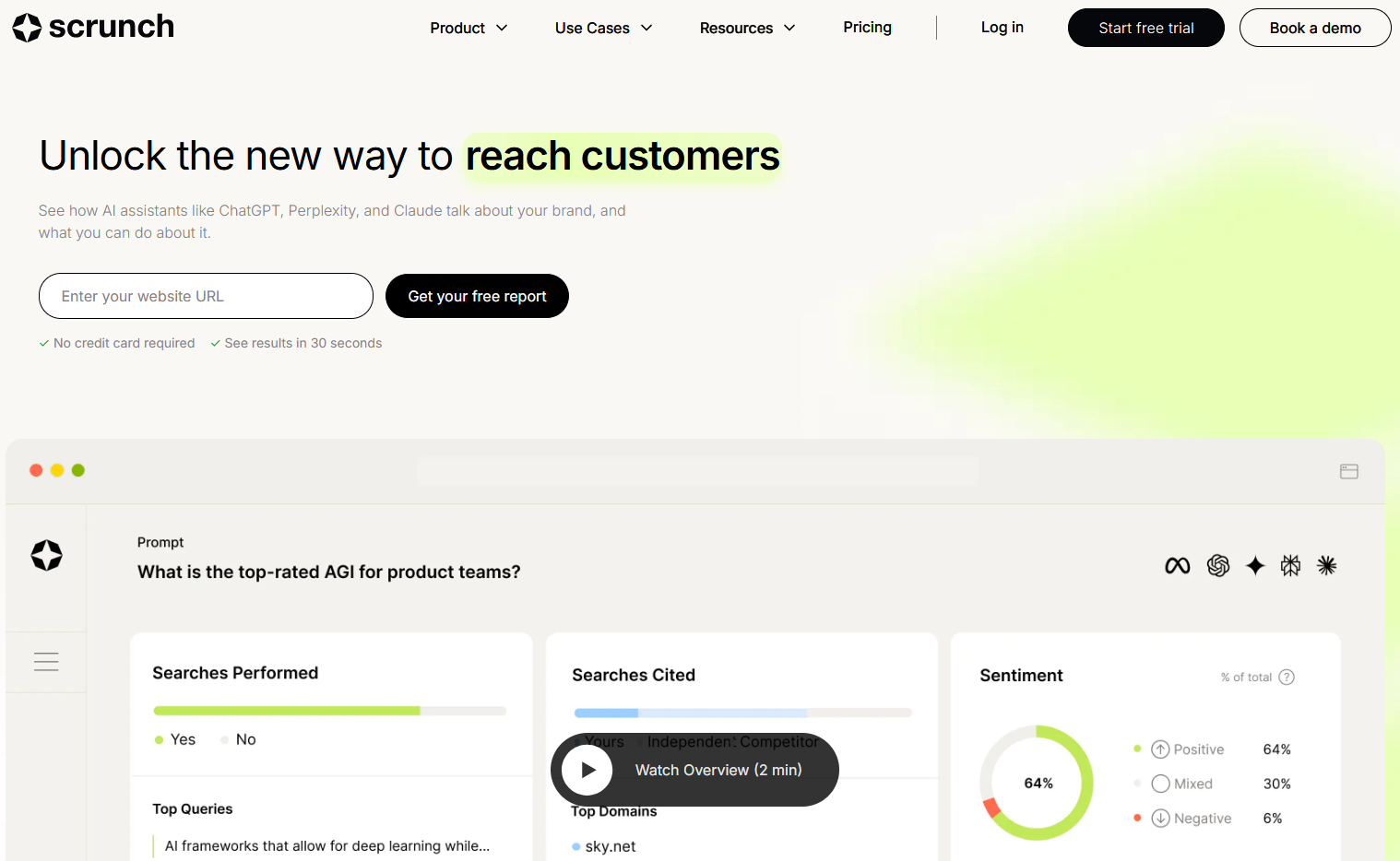
Scrunch is a strong fit for agencies that want AEO visibility tracking with a more technical layer behind the data.
It helps agencies monitor how AI assistants talk about client brands, while also showing prompt trends, citations, competitors, rankings, and AI bot activity. This makes it useful for teams that need to explain both client visibility and the technical signals behind it.
Key Features
- Prompt performance tracking: Tracks prompts, topics, entities, and trends so agencies can monitor how client visibility changes across AI answers.
- Citation and competitor insights: Helps teams see which sources appear in AI answers and how competitors are positioned.
- AI traffic monitoring: Shows how AI bots crawl client websites, giving technical SEO teams another layer of AEO insight.
Pricing
Where Scrunch Shines
- Strong technical visibility layer: Scrunch gives agencies more than brand mentions by adding AI crawler and traffic data.
- Useful cross-platform monitoring: It helps teams compare visibility across several AI engines from one place.
- Good fit for technical SEO teams: Agencies can connect AEO reporting with crawl behavior, citations, and site accessibility.
Where Scrunch Falls Short
- May feel technical for some clients: Not every client needs crawler-level visibility explained in reports.
- Less simple than lightweight trackers: Agencies that only need mention tracking may find the platform more detailed than necessary.
- Best for active AEO programs: It is more useful when teams regularly act on the insights, not just check visibility occasionally.
Customer Reviews
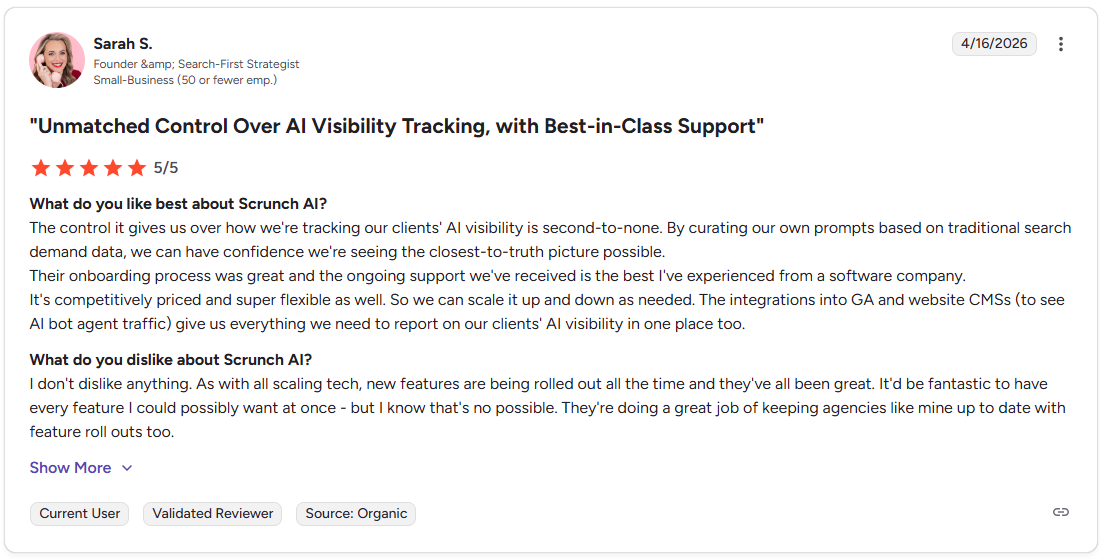
Sarah S. said Scrunch AI gives strong control over AI visibility tracking, flexible pricing, useful integrations, and excellent onboarding and support.
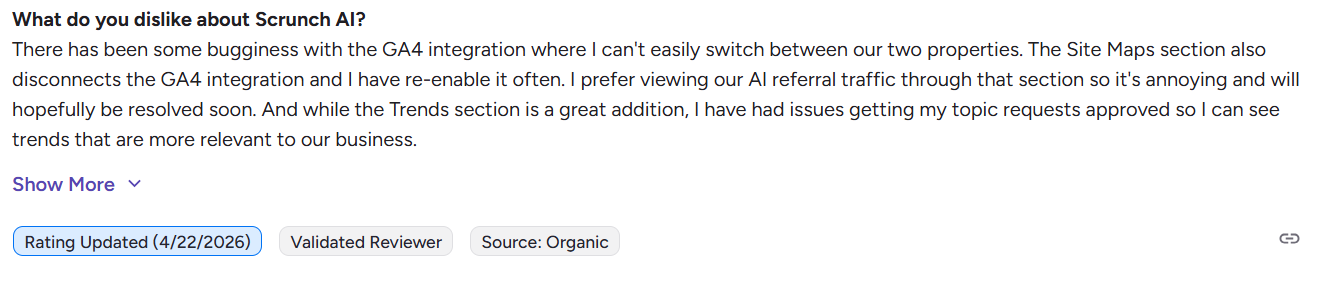
Stephanie C. said Scrunch AI has buggy GA4 integration, sitemap disconnection issues, and delays approving relevant topic requests in Trends.
Who Scrunch Is Best For
- Technical SEO agencies: Best for teams that want to connect AEO visibility with AI crawler behavior.
- Agencies handling complex websites: Useful for clients with large sites, many content sections, or technical visibility issues.
- Teams comparing AI search engines: A strong fit when agencies need to monitor client visibility across multiple AI platforms.
4. Otterly AI: Best for Simple Multi-Platform AI Search Monitoring
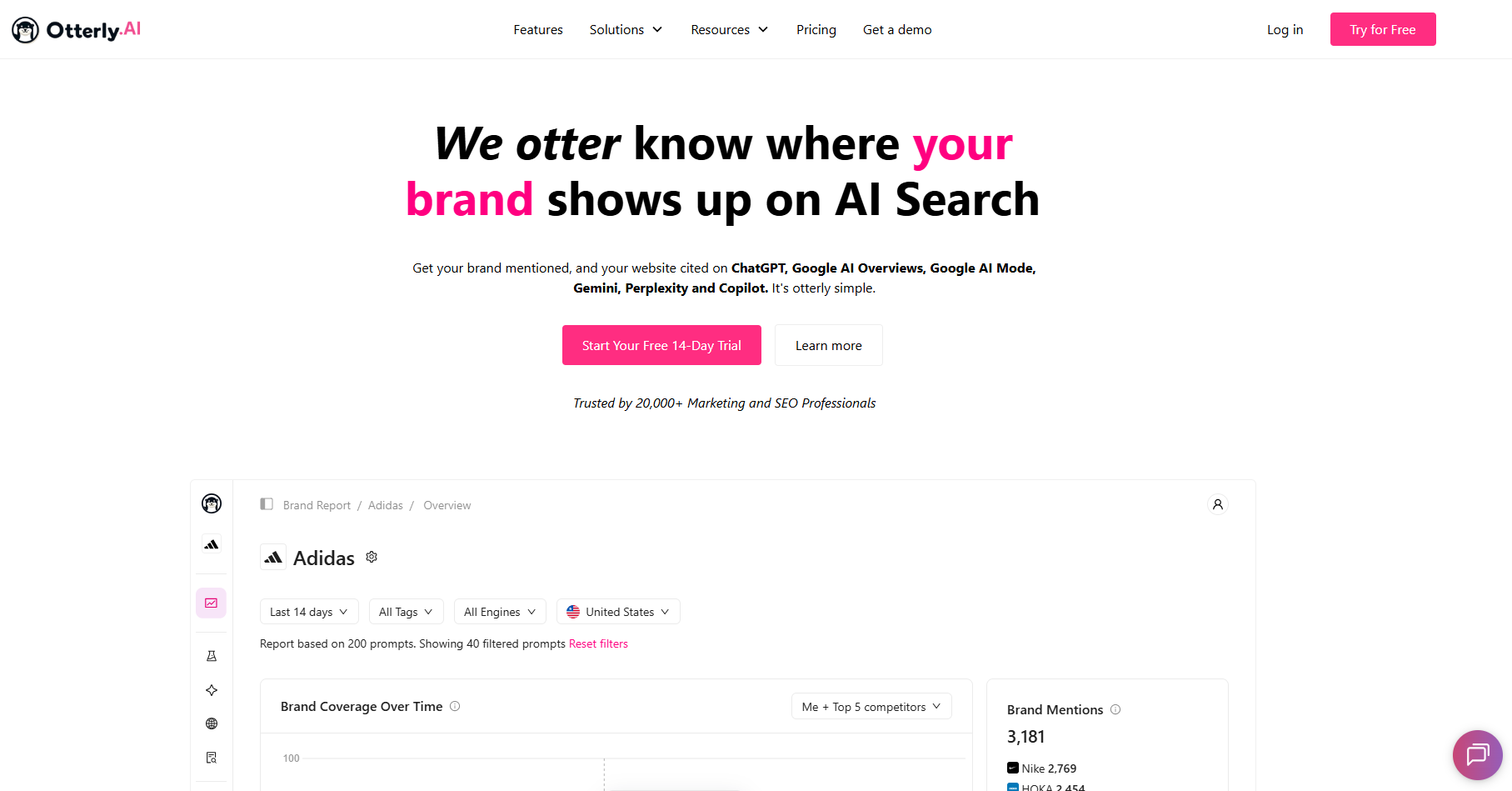
Otterly AI is a practical AEO platform for agencies that want to monitor client visibility across major AI search platforms without overcomplicating the workflow.
It tracks brand mentions, website citations, prompts, competitors, and visibility changes across AI search experiences. This makes it useful for agencies that need a clearer way to report how clients appear in ChatGPT, Perplexity, Google AI Overviews, AI Mode, and other AI-led discovery channels.
Key Features
- Brand mention tracking: Helps agencies monitor when and where client brands appear in AI-generated answers.
- Website citation monitoring: Shows which client pages are being cited, making it easier to find content that supports AI visibility.
- Prompt library tracking: Lets teams track conversational queries that reflect how prospects search through AI platforms.
Pricing
Where Otterly AI Shines
- Easy AEO monitoring setup: Otterly AI is useful for agencies that need straightforward tracking across AI search platforms.
- Good citation visibility: It helps teams explain which pages are being referenced in AI-generated answers.
- Helpful competitor reporting: Agencies can compare client mentions against competitors and show visibility gaps more clearly.
Where Otterly AI Falls Short
- Less advanced than enterprise platforms: It may not offer the same strategic depth as heavier AEO tools.
- Not a full SEO suite: Agencies may still need separate tools for audits, backlinks, and keyword research.
- Best for monitoring first: Teams looking for deeper content execution workflows may need another platform alongside it.
Customer Reviews
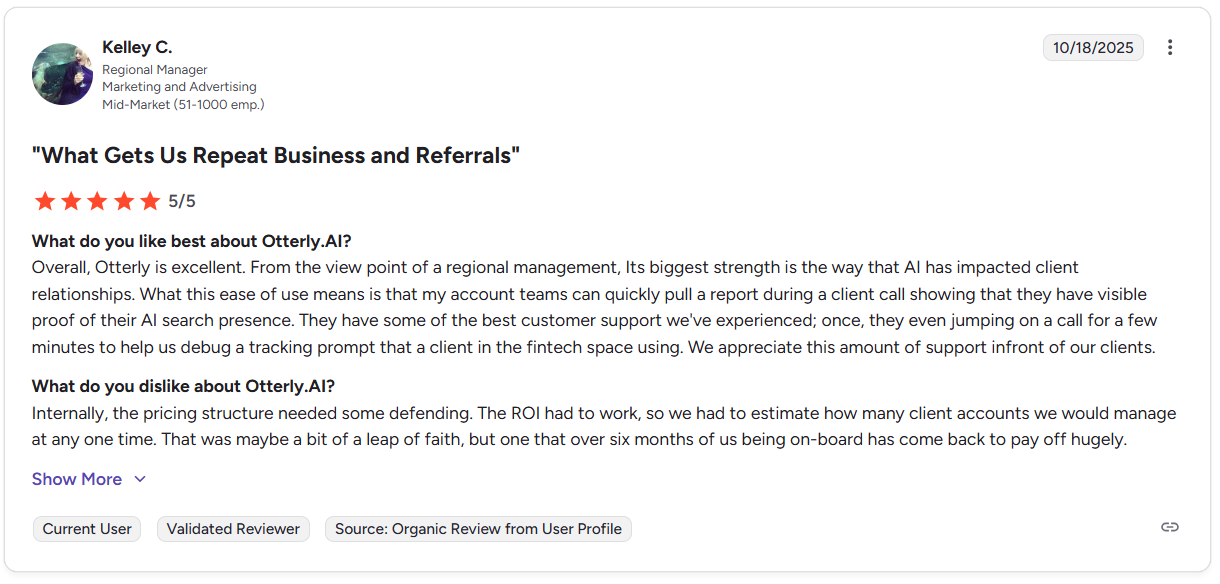
Kelley C. said Otterly.AI is easy to use, helps teams show clients clear AI search visibility proof during calls, and offers strong customer support.
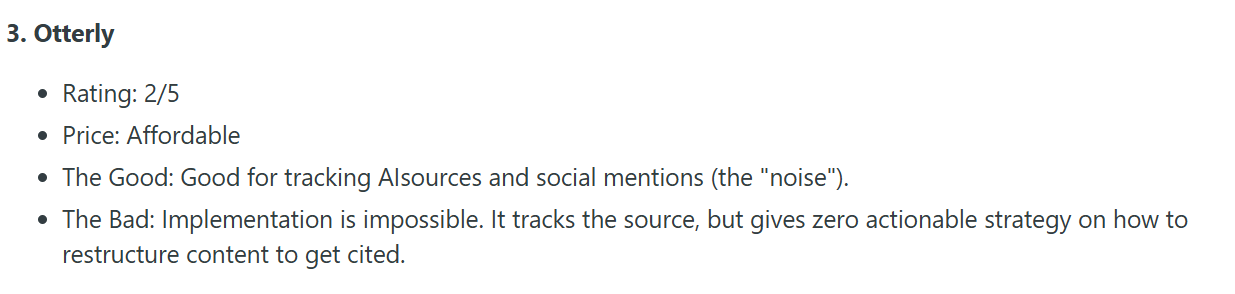
A Reddit user said Otterly.AI tracks sources, but offers little actionable guidance on how to improve content and get cited.
Who Otterly AI Is Best For
- Agencies starting AEO services: Best for teams that want an accessible way to monitor client AI visibility.
- SEO teams tracking citations: Useful for agencies that need to show which client pages appear in AI answers.
- Client reporting teams: A good fit when agencies need simple visibility, competitor, and citation updates.
5. Semrush: Best for Connecting AEO With Traditional SEO Reporting
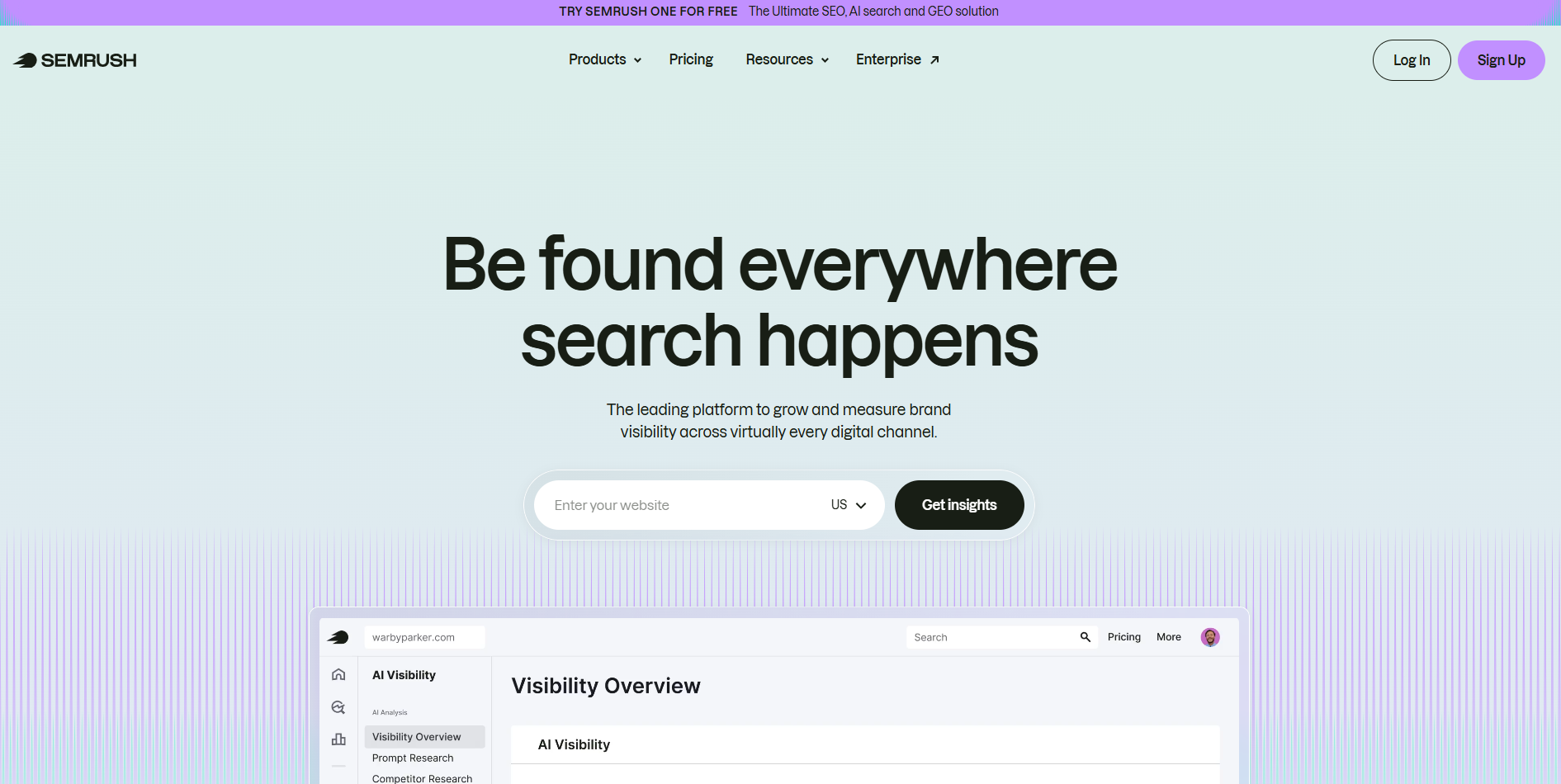
Semrush is a strong option for agencies that want AEO reporting inside a wider SEO and content workflow.
Its AI Visibility Toolkit helps agencies benchmark brand visibility, monitor prompts, analyze sentiment, find competitor gaps, and create presentation-ready reports. This makes it useful for agencies that want to connect AI search visibility with existing SEO audits, content planning, and client reporting.
Key Features
- AI visibility benchmarking: Helps agencies measure how often client brands appear in AI-generated answers compared with competitors.
- Prompt and topic monitoring: Tracks important prompts and topics so teams can see where clients gain or lose visibility.
- Presentation-ready reporting: Turns AI visibility data into reports that are easier to share with clients and stakeholders.
Pricing
Where Semrush Shines
- Strong SEO overlap: Semrush works well for agencies that want AEO insights beside traditional SEO data.
- Useful competitor gap analysis: It helps teams show clients where competitors are winning in AI search.
- Good client reporting fit: The toolkit is helpful when agencies need clearer reports, not just raw AI visibility data.
Where Semrush Falls Short
- Not a dedicated AEO-only platform: Agencies that want a pure AI visibility tool may find it broader than needed.
- Can feel large for smaller teams: Smaller agencies may not use the full Semrush ecosystem.
- Less specialised on AI crawler data: Other tools may go deeper into how AI bots read and cite client websites.
Customer Reviews
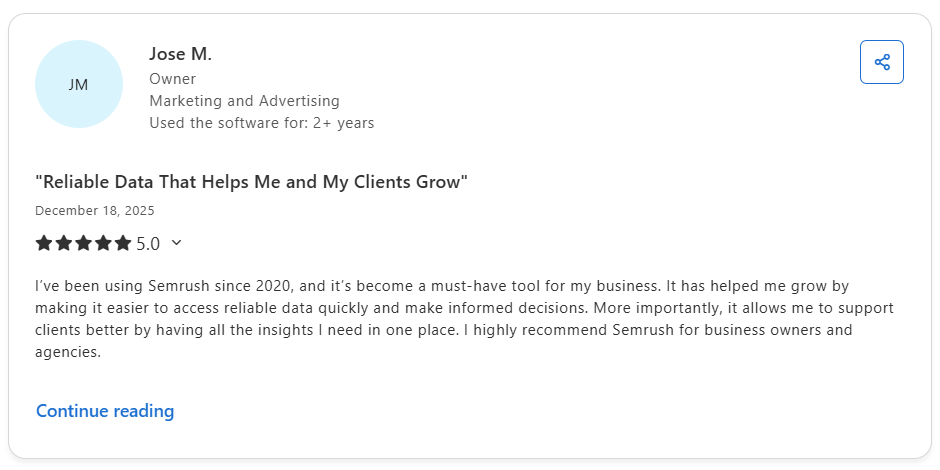
Jose M. said Semrush gives reliable data in one place, helping him make better decisions and support clients more effectively.
A Reddit user said Semrush’s AI Visibility Toolkit is useful for directional insights, but may not fully capture real conversational AI behavior because it still relies heavily on keyword-based modeling.

Who Semrush Is Best For
- SEO agencies using Semrush already: Best for teams that want to add AEO reporting to their existing workflow.
- Agencies managing SEO and AEO together: Useful when clients expect one view of search, content, and AI visibility.
- Teams focused on competitor gaps: A strong fit for agencies using AI visibility data to guide content strategy.
6. Peec AI: Best for Clean AI Visibility Benchmarking
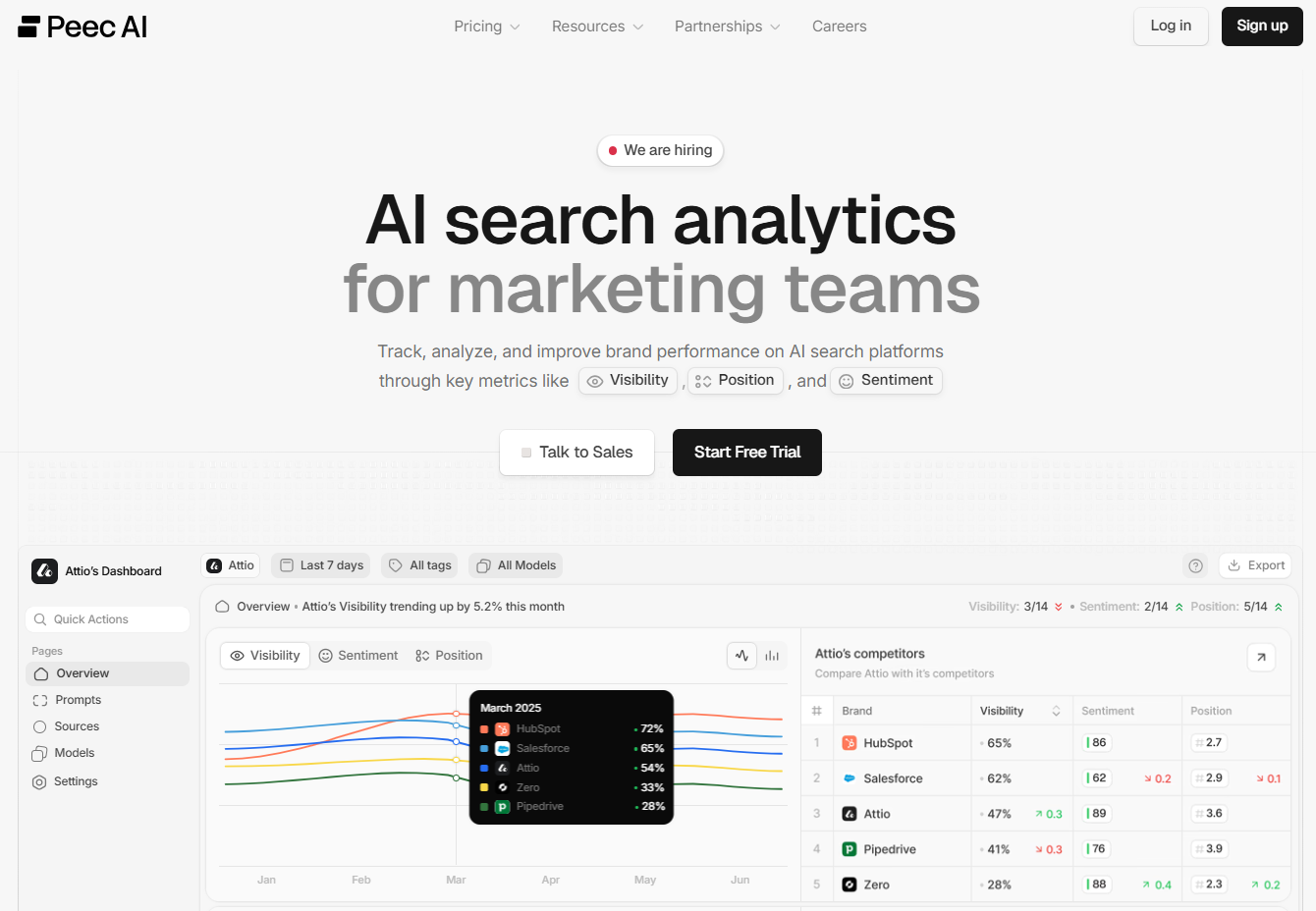
Peec AI is a specialist AI search analytics platform for agencies that want a focused way to monitor client visibility across AI search platforms. It helps teams analyze brand performance, benchmark competitors, and understand how clients appear in tools like ChatGPT, Perplexity, and Gemini.
For agencies, the main value is clarity. Peec AI can support client conversations around visibility, citations, and competitive gaps without forcing teams into a full traditional SEO suite. It works well for agencies that want dedicated AEO tracking, but still plan to use separate tools for technical SEO, content operations, and broader search research.
7. Writesonic: Best for Turning AEO Insights Into Content Updates
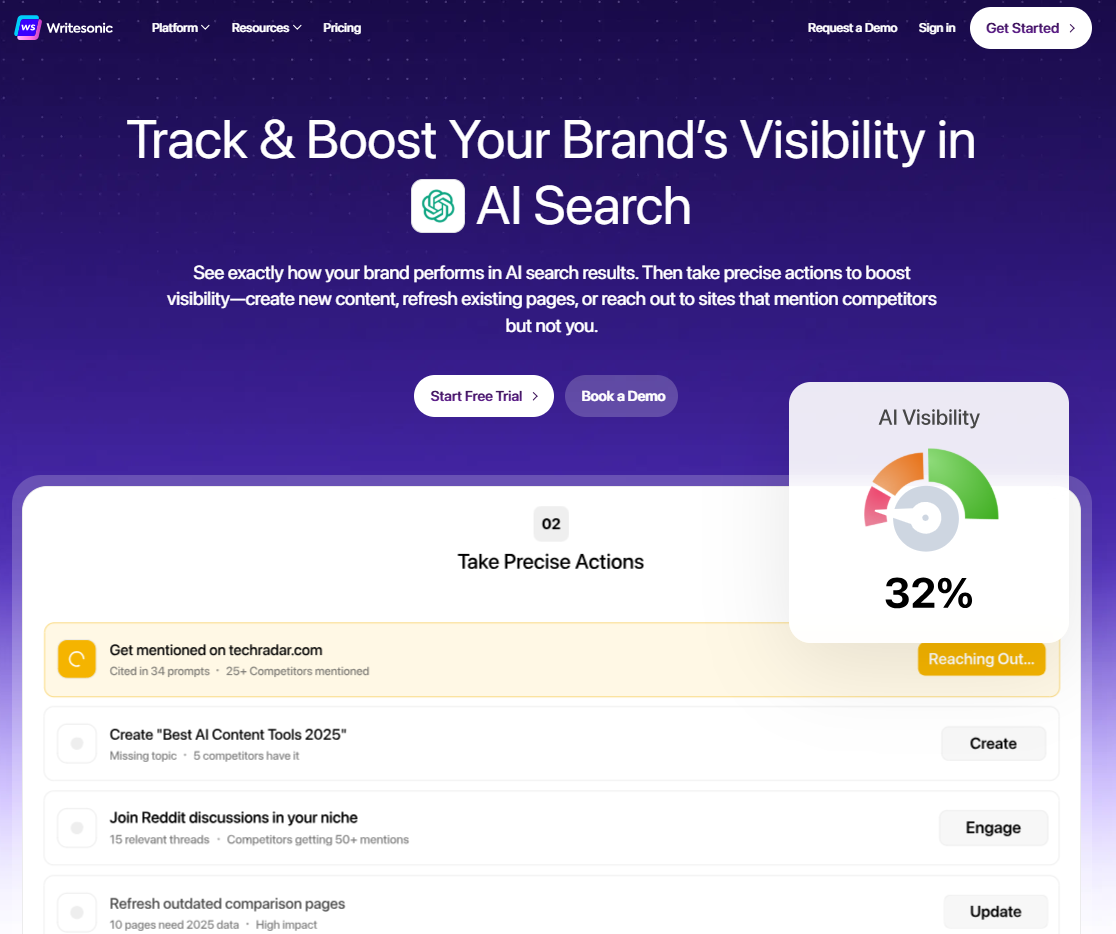
Writesonic is useful for agencies that want AEO tracking to connect directly with content creation and optimization. Its platform tracks visibility across ChatGPT, Gemini, Perplexity, and other AI search platforms, while also helping teams identify citation gaps and content opportunities.
For agencies, this makes Writesonic more execution-friendly than tools that only report visibility. Teams can use it to show clients where they are missing from AI answers, then move into content updates faster. It is a good fit for agencies that want AEO reporting, SEO support, and AI-assisted content workflows in the same platform.
8. Ahrefs: Best for AI Visibility Research Inside a Wider SEO Stack

Ahrefs is a strong choice for agencies that want AEO research inside an established SEO platform. Ahref’s Brand Radar product helps teams monitor AI mentions, track custom prompts, study citations, and connect AI visibility with wider search demand and web visibility data.
For agencies already using Ahrefs, this can make AI visibility easier to add into existing SEO reports and competitor research. It may not feel as agency-specific as white-label AEO platforms, but it is valuable for teams that want to connect AI visibility, citation analysis, keyword demand, backlinks, and competitor research in one familiar environment.
9. AthenaHQ: Best for Strategic AEO and GEO Program Management
AthenaHQ is an AEO and GEO platform for teams that want to understand how brands appear across AI search engines and turn that insight into strategy. Its positioning is especially relevant for agencies working with clients that care about share of voice, citations, competitor benchmarks, sentiment, and buyer-persona-level visibility.
AthenaHQ also leans into an agentic layer through Ask Athena, which sits on top of AEO and GEO data to support recommendations and reporting. This makes it a good option for agencies that want AEO visibility data to support higher-level client strategy, not just monitoring dashboards.
How to Choose an AEO Platform for Your Agency
Here are a few things to consider before choosing the best platform for your team.
1. Supports Real Agency Use Cases
Your tool should work well across multiple clients, brands, markets, and competitors. Look for flexible projects, API access, white-label reporting, and custom tracking options.
These features help agencies scale reporting without rebuilding dashboards manually for every client. WorkDuo is a strong fit here because it supports both agency teams managing client accounts and in-house teams tracking their own brands.
2. Fits Your Client Type
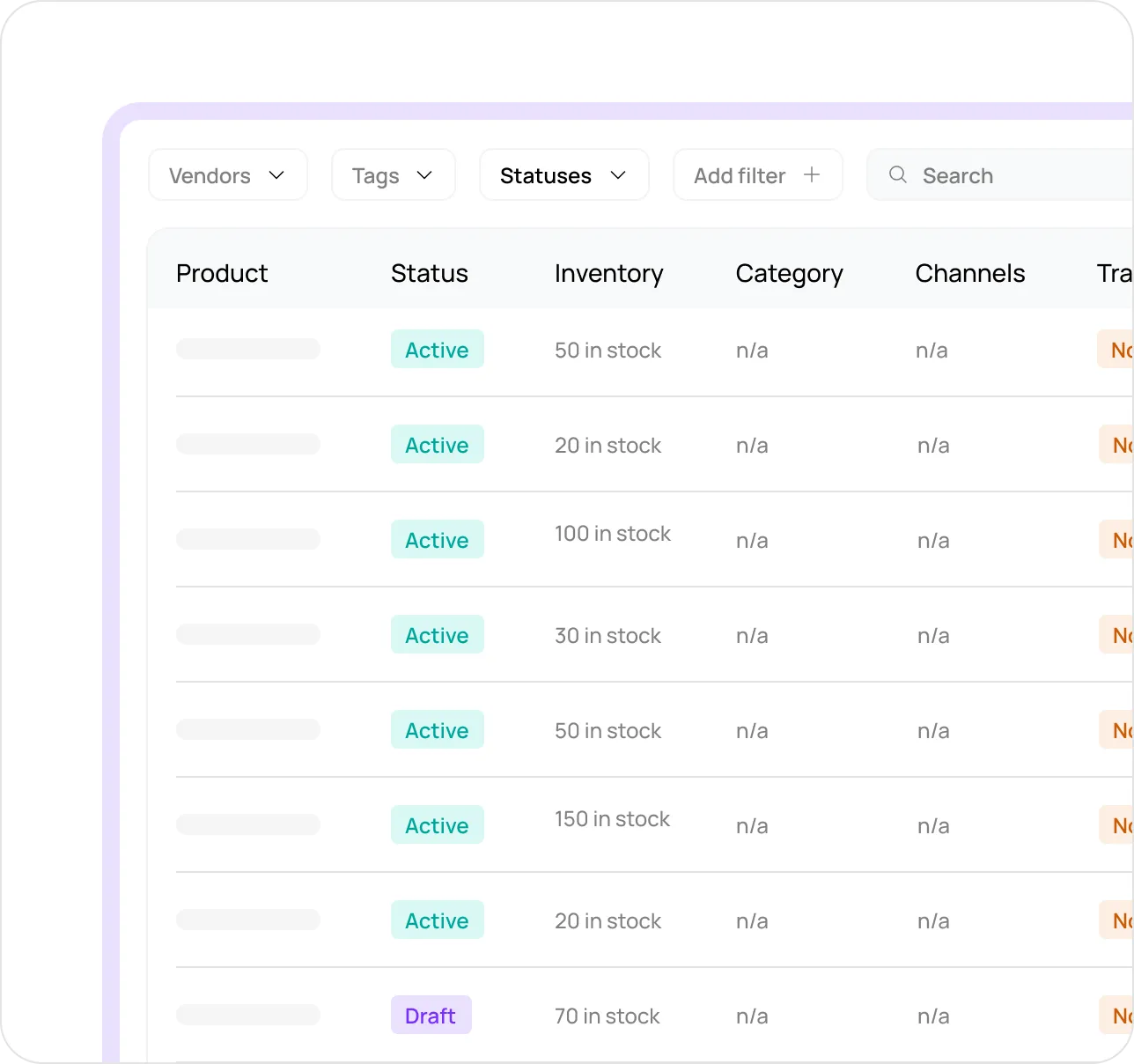
Different clients need different AEO reporting. For ecommerce and product-led brands, this means tracking product recommendations, buying journeys, competitor visibility, and comparison prompts, not just brand mentions.
A good platform should help you explain how AI search influences discovery and purchase decisions. WorkDuo is built with these commerce-focused use cases in mind, making it useful for agencies that work with brands where product visibility matters.
3. Pricing That Scales With You
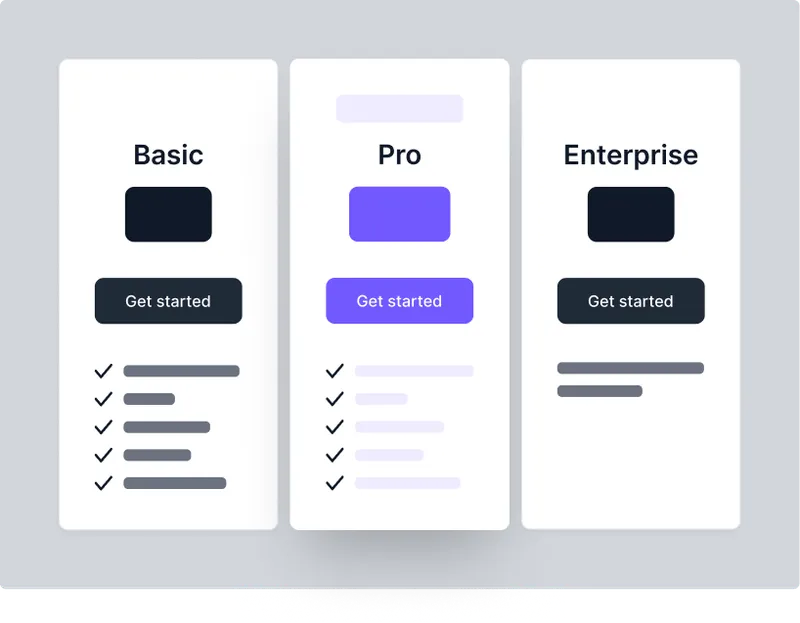
Pricing can become a problem when your client list grows. AEO tracking often involves multiple brands, prompts, competitors, markets, and engines, so fixed limits can become restrictive fast.
Look for a tool that can scale without forcing your agency into rigid usage limits too early. WorkDuo uses volume-based pricing, which can be more practical for agencies managing several accounts.
4. Prioritize Real-Time Tracking
Real-time tracking matters because AI search results can change based on live context, interface behavior, and how users actually ask questions.
WorkDuo uses real-time, front-end browser results to return more accurate answers to prompts. This is useful because tools that rely heavily on API outputs may not always reflect what real users see when they search inside AI platforms.
5. Check How Easy It Is to Turn Data Into Client Reports
AEO data is only useful if your agency can explain it clearly to clients. Look for dashboards, exports, client-ready reports, share-of-voice metrics, competitor comparisons, and trend tracking.
The best platform should help your team move from raw AI visibility data to clear recommendations. This makes it easier to show clients where they appear, who is outranking them in AI answers, and what needs to improve next.
Fix Client AEO Reporting Gaps With WorkDuo
AI search is already changing how clients get discovered, compared, and recommended. If your agency still reports visibility only through traditional SEO metrics, you may miss what happens inside AI-generated answers.
WorkDuo helps agencies track client visibility across AI search engines, compare competitors, build white-label reports, and turn AEO data into clearer client recommendations. It is built for multi-client workflows, flexible reporting, and scalable pricing, making it easier to add AEO as a real agency service.
Start your free trial with WorkDuo today and see how your clients show up in AI search.
FAQs
What is the best AEO platform for SEO agencies?
The best AEO platforms for agencies include WorkDuo, Profound, Scrunch AI, Otterly AI, and Semrush. WorkDuo is a strong choice for agencies because it supports project-based pricing, agency reporting, APIs, and scalable AI visibility workflows.
What's the difference between Scrunch, Peec AI, and Semrush?
Scrunch focuses on AI visibility monitoring, citations, competitor gaps, and AI bot traffic. Peec AI is simpler and prompt-focused for brand visibility across AI engines. Semrush combines AI visibility with a broader SEO toolkit, making it useful for agencies already using Semrush.
How quickly can agencies see results from AEO platforms?
Agencies can usually see tracking insights quickly once prompts, competitors, and target brands are set up. However, real visibility gains take longer because teams still need to update content, improve citations, fix crawl issues, and monitor changes over time.
What features should agencies look for in an AEO platform?
Agencies should look for multi-client reporting, prompt tracking, competitor benchmarking, citation analysis, AI visibility trends, exportable reports, and API access. These features help agencies prove value, spot visibility gaps, and manage AEO work across several clients more efficiently.
Are AEO platforms worth it for agencies?
Yes, AEO platforms are worth it when agencies need to show where clients appear in AI answers, which competitors are mentioned, and what content gaps affect visibility. They make AI search performance easier to measure, report, and improve.
Fiona is the Co‑Founder of WorkDuo AI, where she helps brands optimize their AI search visibility. Previously, she co‑founded SHOPLINE, a smart commerce platform in Asia, and led its successful exit to a NASDAQ‑listed company in 2022. With deep expertise in scaling tech businesses and working with global investors, Fiona now advises startups on growth and data-driven decision-making, while leading WorkDuo’s mission to improve how brands are represented in AI-driven search.

Ready to try our product?
Sign up for a free consultation with our experts.


Follow Us on Social Media
Follow our profiles for daily updates, behind-the-scenes content, and more.

More articles