6 Top Answer Engine Optimization (AEO) Strategies for 2026
.png)
- AEO makes your pages easy for AI answers to pull, trust, and cite, so you become “the answer,” not just a link.
- It matters because answers-first search drives more zero-click behavior and shifts visibility across engines and models.
- Do it by baselining your presence, building a “money prompt” bank, winning the source surfaces (Reddit, YouTube, reviews, listicles), and making key pages extractable.
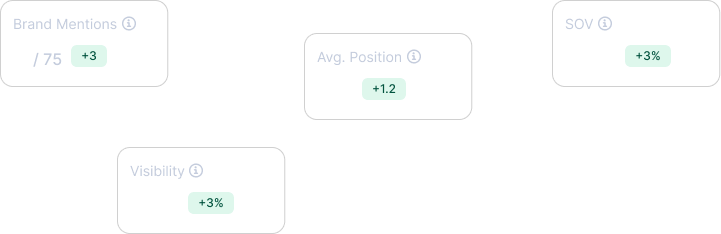
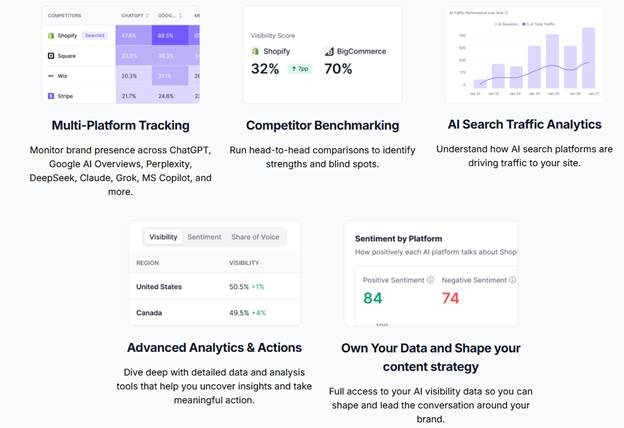
- Tools like WorkDuo let you track mention rate, share of voice, citation accuracy, and sentiment across AI engines in one place, so you can measure changes over time more clearly.
You have probably seen it in your own searches: one clean AI answer, a couple of citations, and no need to scroll further. That is the stage your brand is competing on, whether you like it or not. Answer Engine Optimization (AEO) is about making sure those citations and snippets lean on your content instead of treating you like invisible background noise.
In this article, we will clarify what AEO is and why it matters, how AI engines find and cite content, the most effective AEO strategies, and common mistakes to avoid. We will also look at how to measure AEO success and the best tools to support your AEO work.
What is Answer Engine Optimization (AEO)?
Answer Engine Optimization (AEO) is the practice of making your content easy for answer engines (like Google’s AI Overviews, ChatGPT, Perplexity, Gemini, Copilot, and voice assistants) to pull, trust, and reuse when they generate a direct answer.
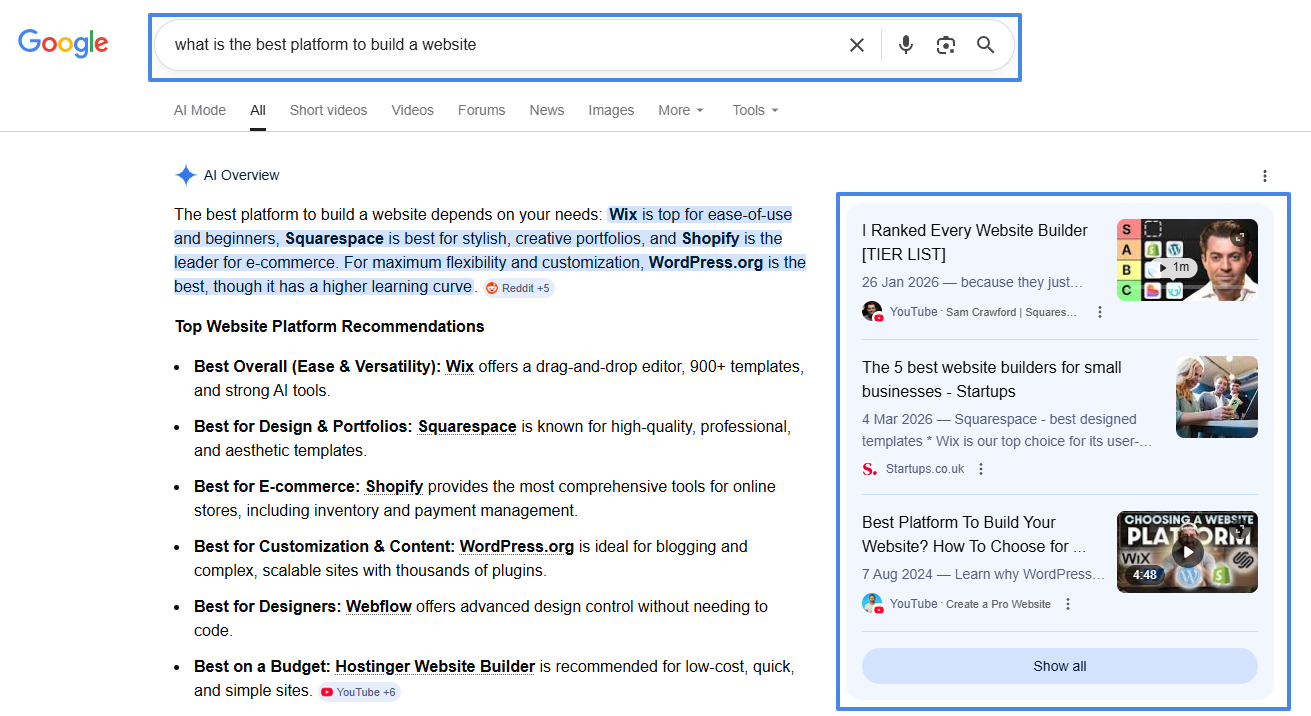
Google’s AI Overview generates a direct answer to the user’s query and pulls supporting info from trusted websites shown on the right.
Instead of optimizing mainly for “rank #1 and get the click,” AEO optimizes for “be the answer”, so your brand or content gets mentioned, cited, and summarized correctly in AI-generated responses.
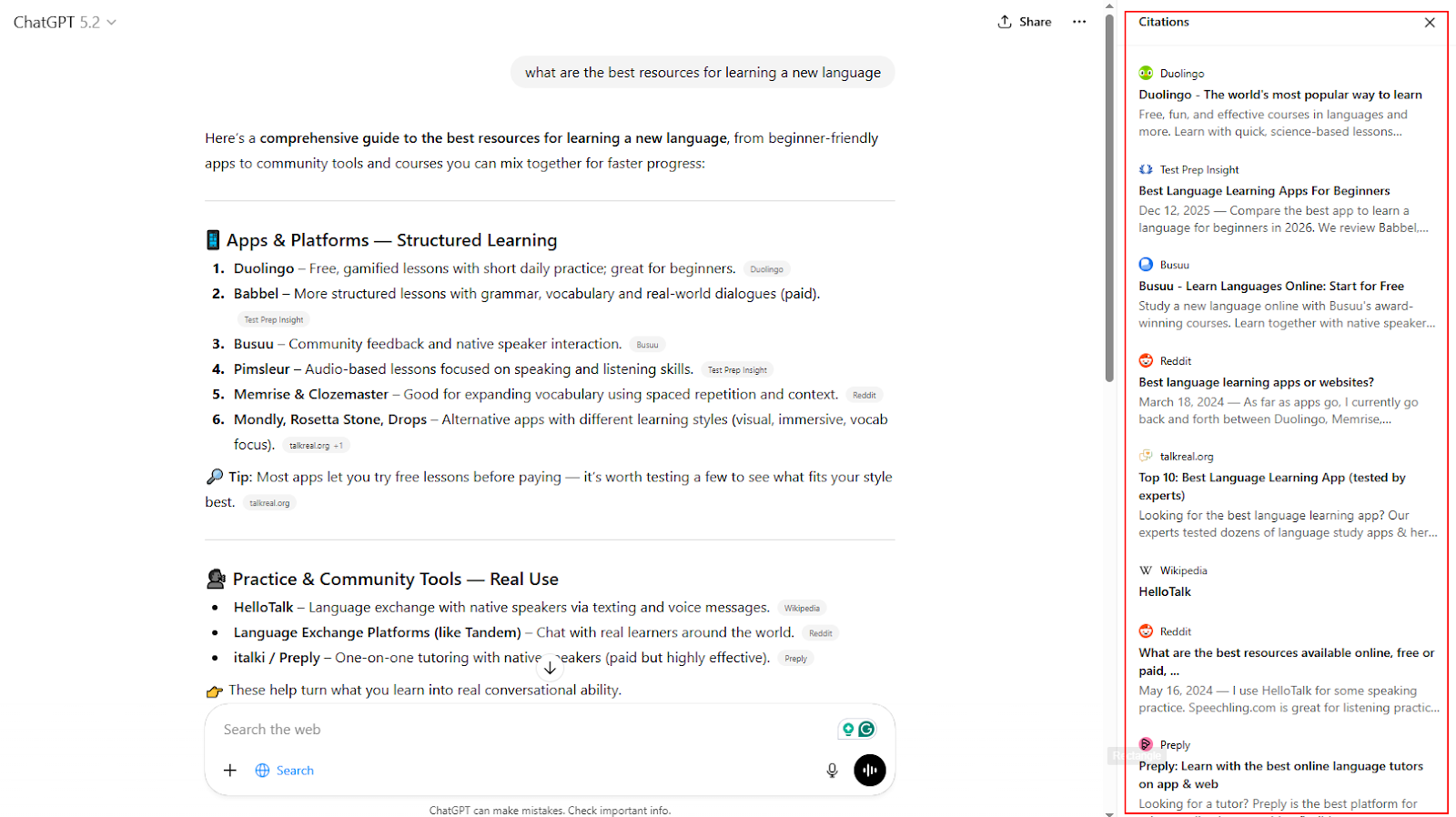
ChatGPT generates a direct answer to the user’s question and pulls supporting information from cited sources shown in the right panel.
Why Answer Engine Optimization Matters?
AEO is becoming increasingly important because:
1. Search Is Now Answers-First
Search is increasingly shifting toward instant answers, which means more zero-click behavior. AI Overviews and chat-based search tools often answer queries on the spot, so a brand can lose visibility before a user ever visits its website.
If a brand is not mentioned or cited in that answer, ranking alone may no longer be enough.
2. Brand Trust And Recall Now Build Inside The Answer
Repeated mentions across AI-generated answers help build familiarity and authority. When a brand is quoted, referenced, or consistently surfaced in the right context, it becomes easier for users to remember and trust it later.
Over time, that visibility can compound like evergreen content, supporting stronger branded search and more direct visits.
3. The SERP Is More Fragmented Than Before
Search results are no longer limited to blue links. AI Overviews, Reddit threads, YouTube videos, review platforms, and third-party listicles now compete for attention, making visibility multi-surface.
Winning in AI-driven search depends on showing up across the sources that shape the answer, not just on a single webpage.
4. Visibility Changes Across Engines And Models
AI-driven search is not one fixed environment. Different engines and models can surface different brands, cite different sources, and frame the same company in different ways.
That makes monitoring essential because visibility now depends on where a brand appears, how it is described, and which competitor takes its place when it does not show up.
How AI Engines Find and Cite Content
Most AI engines work like retrieval systems. They follow this step-by-step process to find, evaluate, and cite content.
- Query reformulation: The AI rewrites or expands the user’s question to better understand intent and improve retrieval. Google says AI Mode uses a query fan-out technique, issuing multiple related searches across subtopics and data sources before combining the results into one response with links.
- Evidence retrieval: It gathers supporting information from multiple web sources, often including pages already visible in search results.
- Summarization and citation: The model combines the evidence into one answer and attaches citations or links to the sources it used or found most helpful and authoritative.
Best Answer Engine Optimization Strategies
These strategies focus on structuring your pages and brand signals so you appear in AI-generated answers, not just in traditional rankings.
Strategy #1: Baseline Your Current AI Visibility
Before you optimize, get a real baseline of how AI engines talk about you today.
Start by listing the queries that matter most to you:
- Your brand name + common misspellings
- Product/feature names
- Use cases/problems you solve
- Comparison prompts like “best [category] tools” or “[your brand] vs [competitor]”
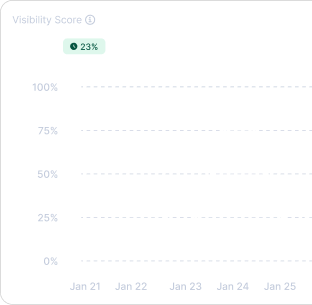
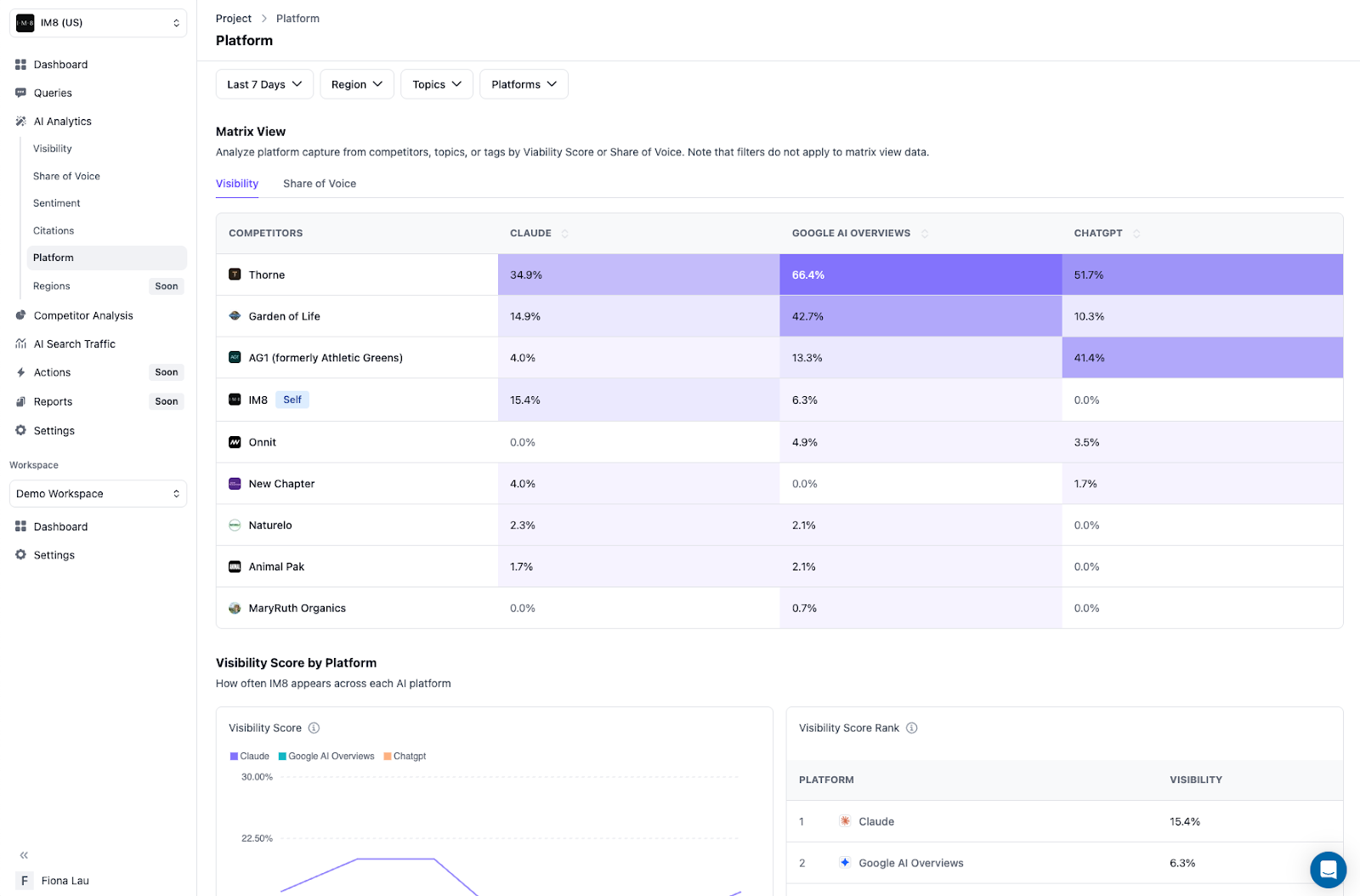
Then run a sample of those queries in AI engines (and AI Overviews where relevant). If you want a consistent baseline, you can use an AI visibility tool like WorkDuo to measure how often your brand is mentioned in search results for a given query vs. competitors, with a clear visibility score. Choosing specialized AEO platforms for agencies allows teams to automate these audits across dozens of client accounts simultaneously.
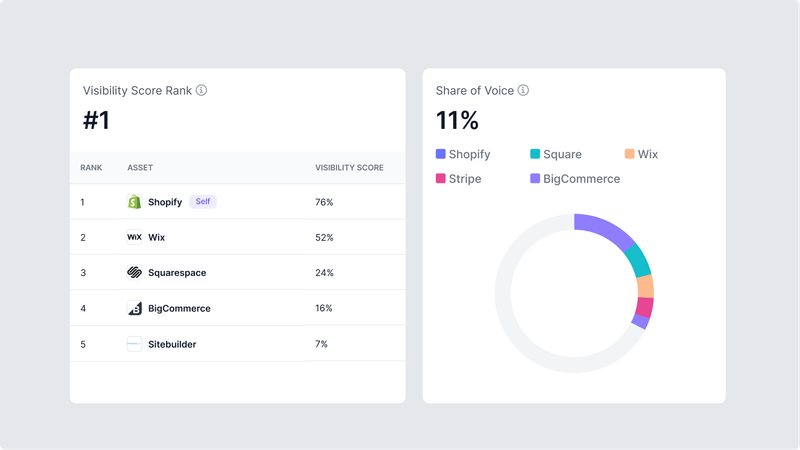
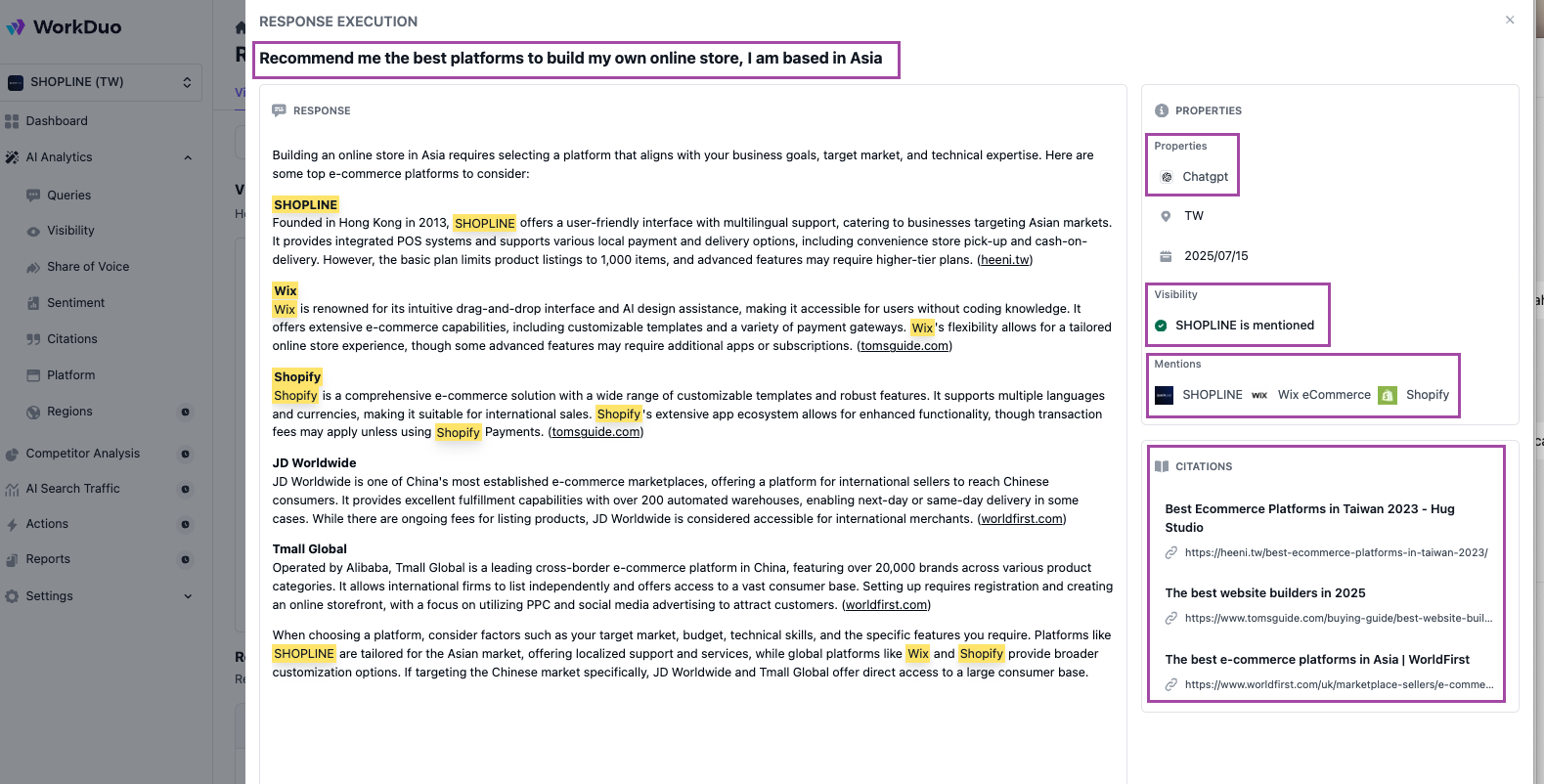
For each query, note:
- Do you appear in the answer at all?
- How does the AI describe you in 1-2 sentences?
- Which competitors show up instead of you?
- Which websites are cited or clearly influencing the answer?
Strategy #2: Build a Prompt Bank Around Your Best Customers
Pick the prompts that map to revenue first, not “every keyword.”
Strategy #3: Map What Sources Influence Each Prompt, Then Win Those Surfaces
AI-generated answers are shaped by multiple sources (not just your blog). For each priority prompt, identify what’s being cited or summarized, then plan your “surface coverage.”
What to map per prompt
- Which domains show up (and what format they use): listicles, Reddit threads, YouTube, review sites, Wikipedia, product docs/help centers, comparison pages, SEO guides
- Whether the prompt is commercial or informational
What to do by source type
- Reddit/forums (high influence + often ranks in Google):
- Find threads your ICP is already using (problems, switches, buying triggers).
- Add net-new value: Concrete experience, trade-offs, setup details, pitfalls, comparisons.
- Follow subreddit rules and match tone. If you represent a brand, be transparent.
- Stay active in replies so the thread becomes more useful over time (and more likely to rank/carry influence).
- YouTube (extra SERP spot + transcripts influence LLMs):
- Publish “how-to,” teardown, comparison, or tutorial content tied to your prompt bank.
- Make the video transcript-friendly: Clearly section it, repeat the exact query phrasing naturally, and summarize the takeaways.
- Aim to answer the question completely (so the transcript is quotable).
- Review sites (G2/Capterra):
- Tighten profiles: Accurate positioning, key use cases, integrations, proof points.
- Encourage detailed, specific reviews from real users (avoid generic praise).
- Align wording to common prompts: “best for X,” “works well for Y,” “limitations for Z.”
- 3rd-party listicles / “Best X” pages:
- Identify BOFU keywords where listicles dominate.
- Run targeted outreach to be included (focus on the listicles that actually drive leads).
- Wikipedia (when you genuinely qualify):
- Only pursue if you meet notability requirements.
- Use experienced editors and reliable third-party sources. Don’t treat it like a marketing page.
- The goal is entity clarity and a trusted citation anchor, not promotion.
Strategy #4: Make Your Key Pages “LLM-Friendly” and Conversion-Ready
Most sites lose because their pages aren’t self-explanatory or easy to extract.
Follow this practice:
Strategy #5: Optimize for User Signals and “No Pogo Sticking”
Google and AI-driven surfaces reward pages that help users complete the journey.
- Write with the inverted pyramid: Lead with the must-have answer, then context, then examples.
- Reduce friction to action: Clear next step, checklist, template, or comparison link.
- Design for engagement: Skimmable sections, visuals, and internal pathways that keep users moving.
Strategy #6: Measure What Actually Matters in AEO
Track performance inside answers, not just classic clicks.
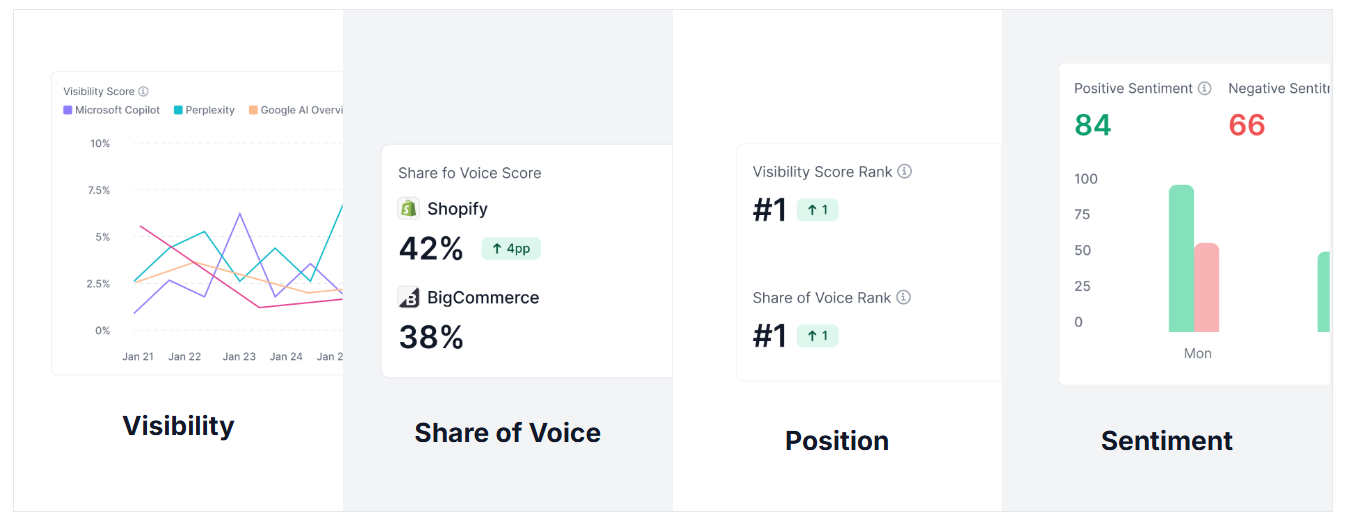
- Mention rate (do you appear?)
- Share of voice (mentions/citations vs competitors)
- Citation quality (are you framed accurately and credibly?)
- Top-3/rank position for list-style prompts
- Sentiment (positive/neutral/negative language about you)
To make this repeatable, use an AI visibility command center like WorkDuo to track exactly how AI platforms represent your brand and what drives those answers. It uses real-time browsing data, not just API outputs, so the results are more accurate and closer to what users actually see. Start your free trial with WorkDuo.
Common AEO Mistakes to Avoid
Here are some common AEO mistakes that quietly kill your visibility in AI answers:
How to Measure AEO Success
Measuring AEO success means tracking whether you show up in AI-generated answers, not just whether you got clicks.
Step #1: Pick a Small Set of “Money Prompts”
Choose 20-50 prompts tied to revenue and high-intent research, such as
- best [category] for [use case]
- [brand] vs [competitor]
- [brand] alternatives
- how to [task] with [tool]
Keep them consistent so you can measure trends over time.
Step #2: Track the Metrics That Reflect Real AEO Wins
For each of the prompts, focus on:
- Mention rate: Prompts where you appear ÷ total prompts
- Share of voice: Your mentions/citations vs competitors
- Citation quality: How accurately and authoritatively you’re framed (score 1-5)
- Top-3 presence: How often you’re recommended in shortlist-style answers
- Sentiment: Positive/neutral/negative positioning
Step #3: Connect Visibility to Business Outcomes
Map your prompt wins to 2-3 KPIs like demos, trials, qualified leads, and pipeline, then capture “AI source” in your forms and watch for lift over time (often with a 1-3 week lag).
If you want a cleaner view, a data intelligence and analytics platform for AI search like WorkDuo can track mention rate, share of voice, sentiment, and more across prompts over time, so you can spot what’s improving and why.
Tools for Answer Engine Optimization
Here are a few proven tools to support AEO today:
1. Workduo: Best for Multi-Model, Actionable AI Visibility Tracking at Scale
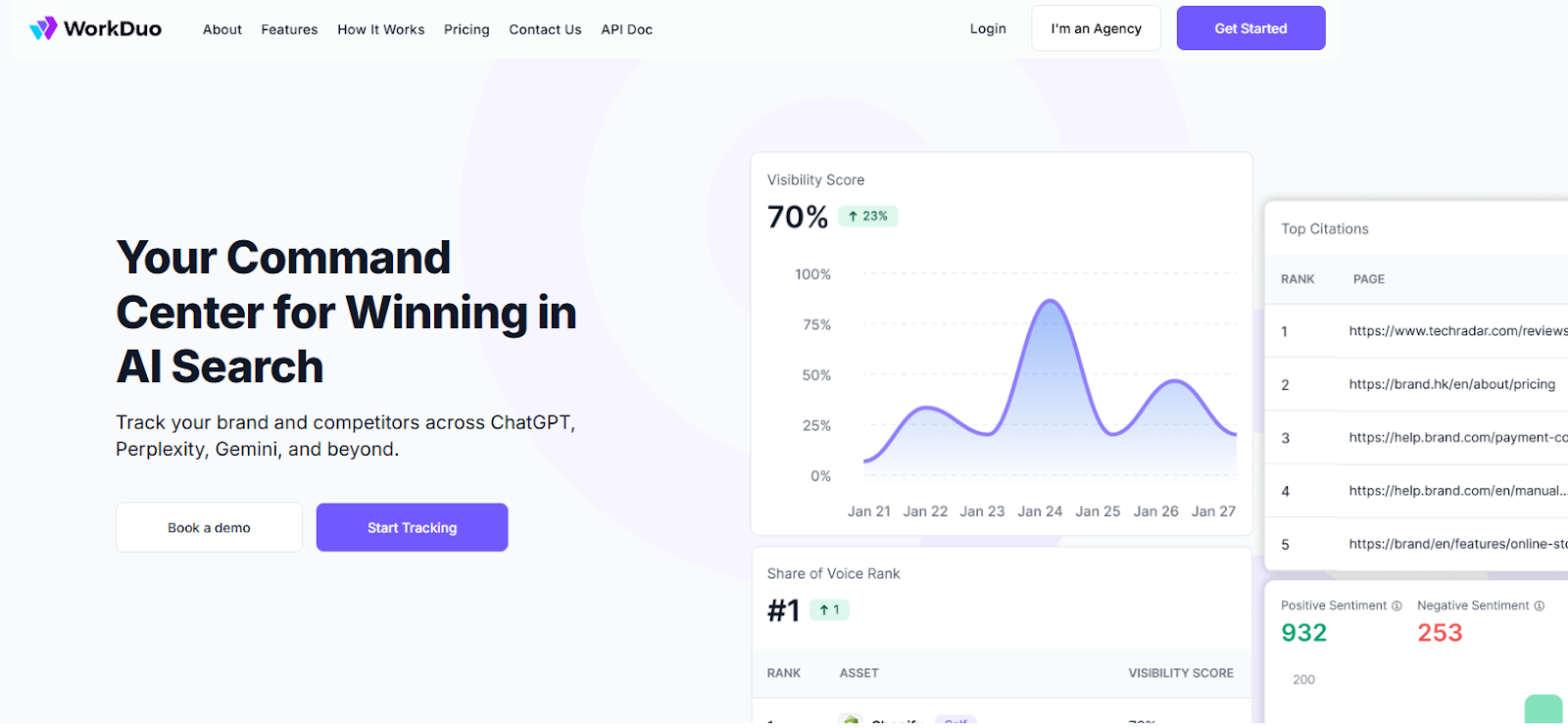
WorkDuo is an AI visibility command center that tracks brand mentions at scale across ChatGPT and other AI surfaces, then explains what AI says about your brand and how.
Key features:
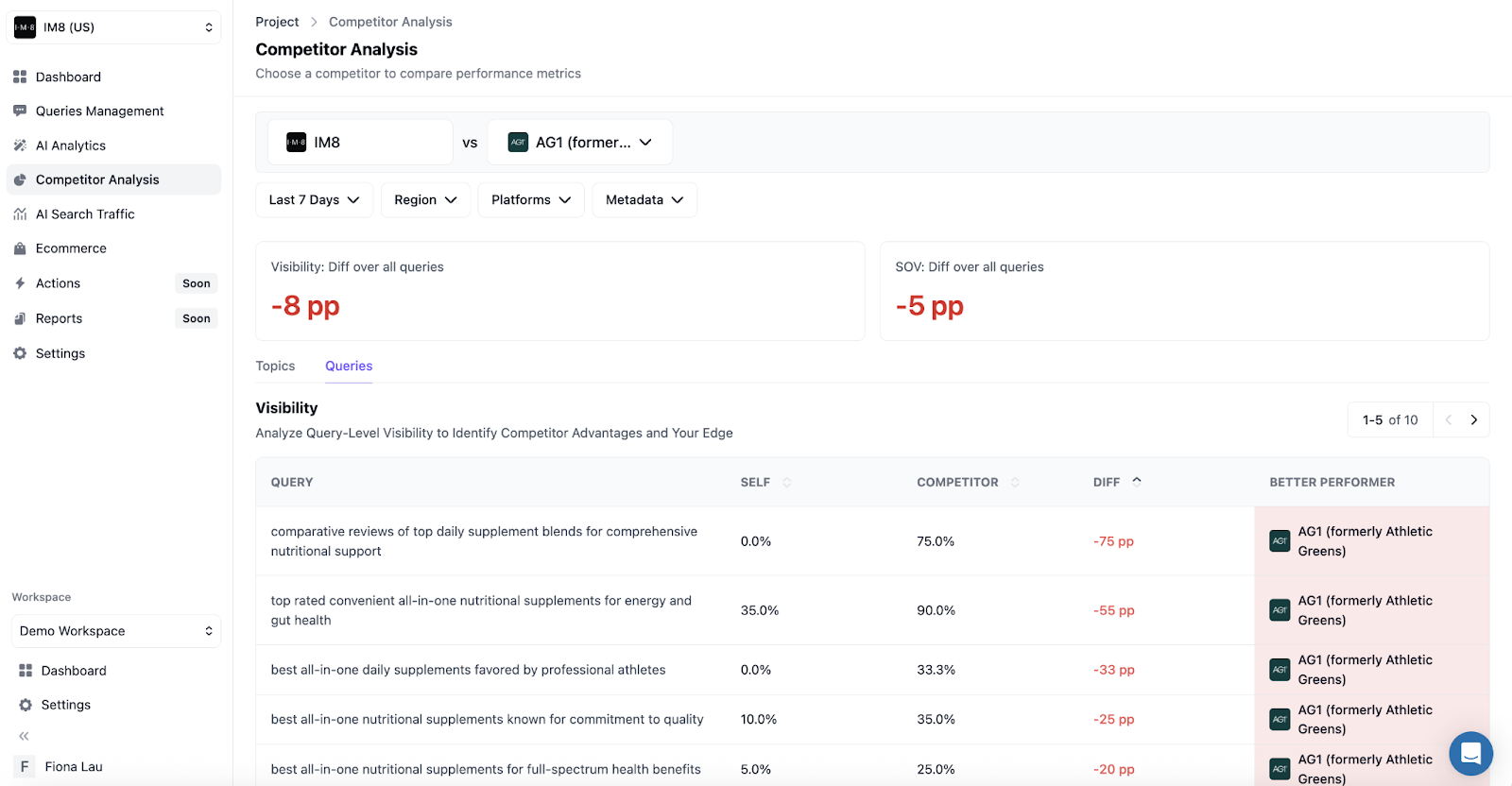
- Competitor Benchmarking
Run head-to-head comparisons to see where competitors get recommended over you and where you’re winning mindshare.
- Visibility and Position Tracking
Measure how often you appear in ChatGPT answers and where you appear (Position 1 vs 3).
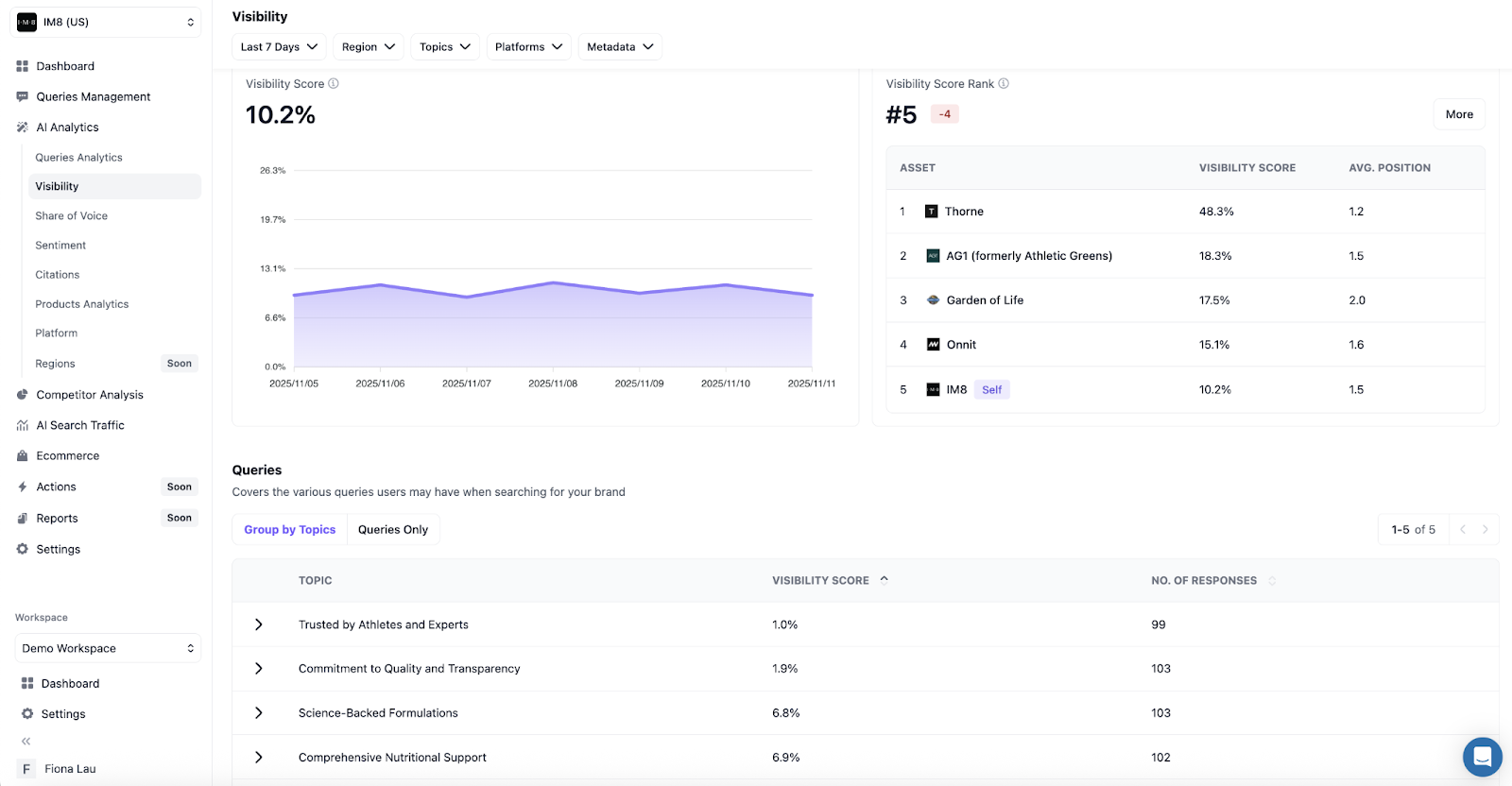
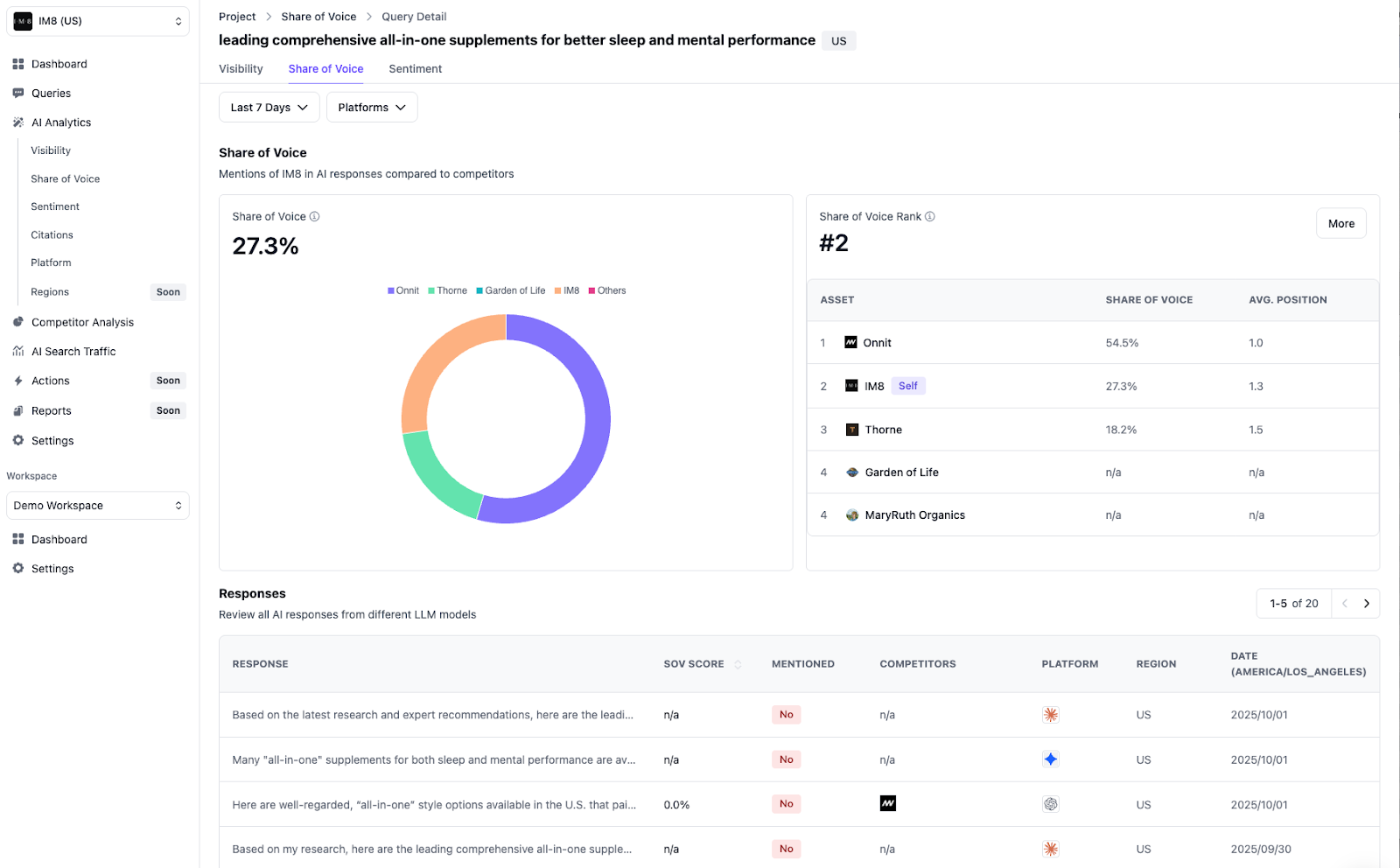
- Share of Voice Across Brands and Competitors
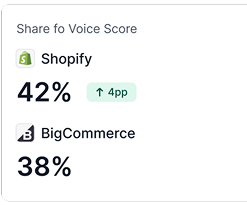
See what portion of answers mention you versus competitors for a clear “who gets talked about more” benchmark.
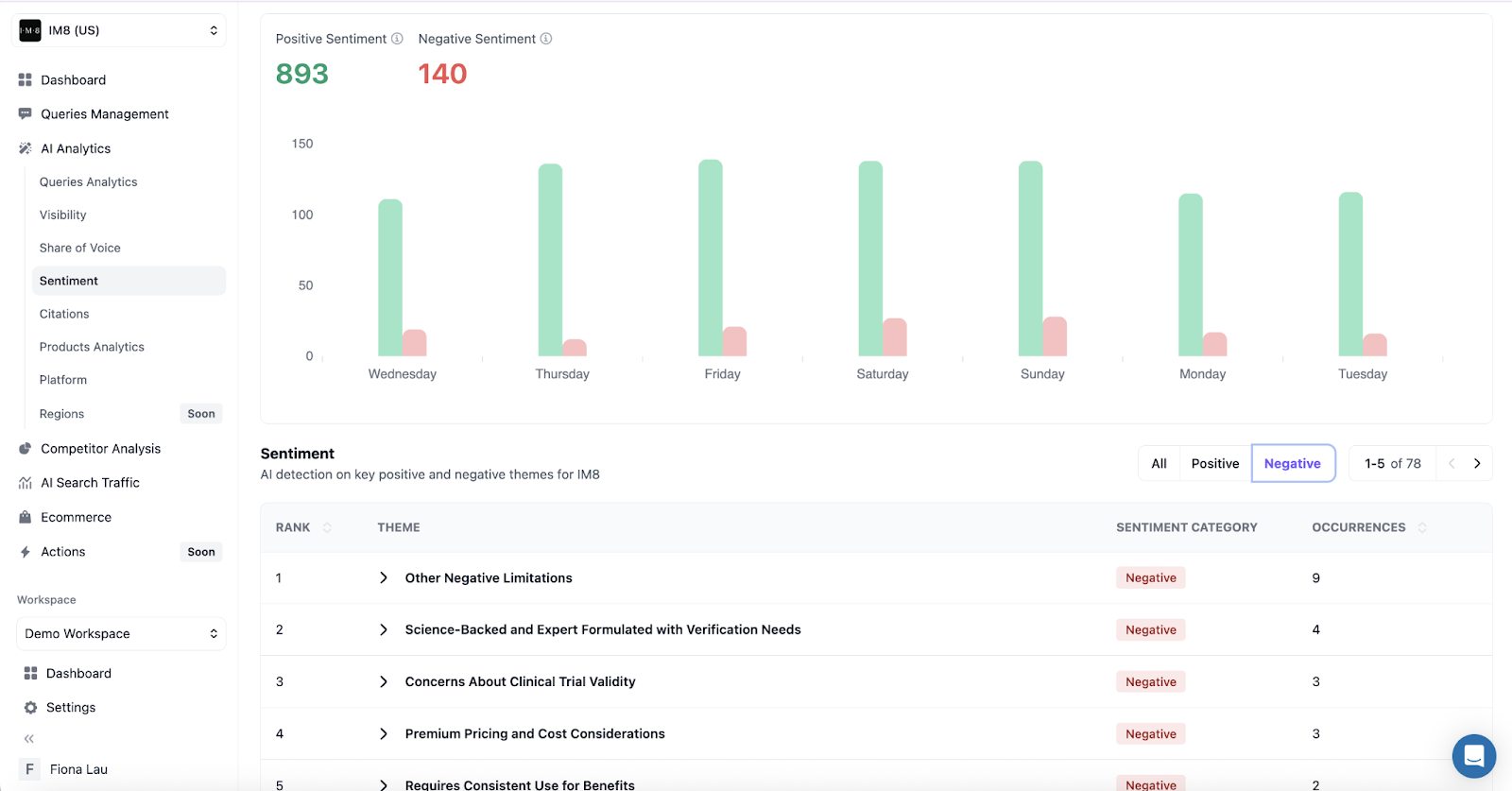
- Sentiment Analysis with Themes and Statements
Classify mentions as positive, neutral, or negative and group them into themes so insights are easy to act on.
Pros:
- Strong query/topic tracking for intent
- Built for agencies and multi-brand reporting.
Cons:
- Not a content generation tool
2. Profound AI: Best for Enterprise-Grade AI Visibility
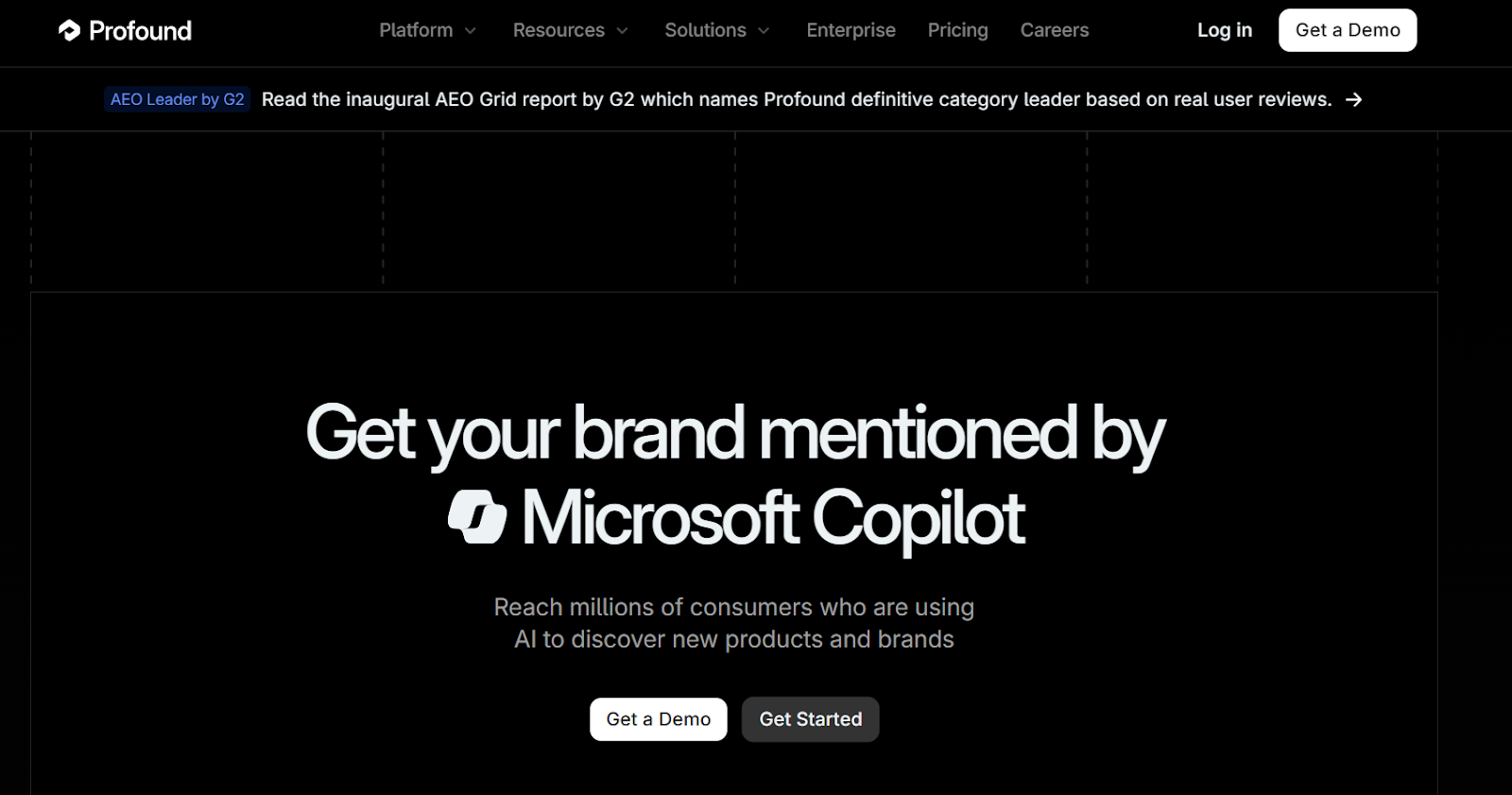
A comprehensive platform that tracks where and how your brand is cited across major AI answer engines (like ChatGPT, Perplexity, Gemini, Claude, and more), with deep dashboards, competitor benchmarks, and sentiment insights.
3. Peec AI: Best for Straightforward AI Visibility Analytics
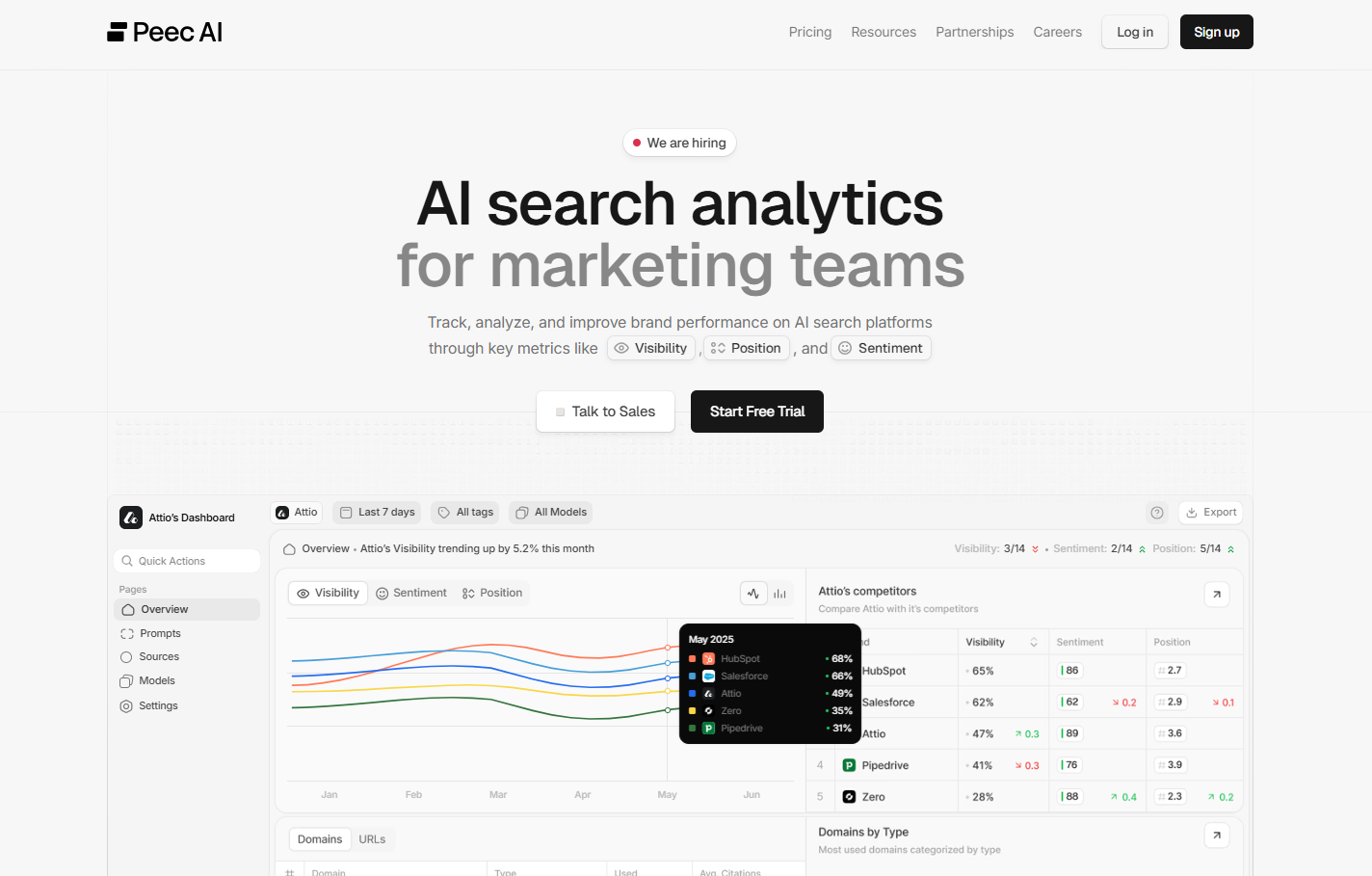
Monitors how often your brand appears in AI answers across ChatGPT, Perplexity, Gemini, Claude, and others, with visibility, position, and sentiment metrics plus prompt-based insights to compare against competitors.
What’s the Best Tool for Your AEO Strategy?
Your best AEO tool depends on your budget, the level of clarity you need, and how deep you want to go on tracking and governance.
- WorkDuo: Best for agencies and multi-brand teams monitoring ChatGPT at scale; multi-platform AI visibility, sentiment themes, and citation intelligence.
- Peec AI: Best for fast prompt-level visibility snapshots; prompt-first tracking with clean, shareable dashboards.
- Profound AI: Best for deeper governance and impact signals; enterprise-grade share of voice, and citations.
Start Measuring Your AEO Visibility With WorkDuo Today
AI answers shift fast, and your visibility shifts with them.
WorkDuo gives you a single view of how AI engines describe your brand, where you show up, and what’s influencing the citations, so you can close gaps before competitors do.
Start your free trial and track your AI visibility with WorkDuo today.
Fiona is the Co‑Founder of WorkDuo AI, where she helps brands optimize their AI search visibility. Previously, she co‑founded SHOPLINE, a smart commerce platform in Asia, and led its successful exit to a NASDAQ‑listed company in 2022. With deep expertise in scaling tech businesses and working with global investors, Fiona now advises startups on growth and data-driven decision-making, while leading WorkDuo’s mission to improve how brands are represented in AI-driven search.

Ready to try our product?
Sign up for a free consultation with our experts.


Follow Us on Social Media
Follow our profiles for daily updates, behind-the-scenes content, and more.




More articles