Agentic Shopping: Trends, Risks & 2026 Optimization Guide
.png)
- Agentic shopping means AI agents shop end-to-end for users (compare, choose, and sometimes buy) based on rules you set, with final approval.
- It is already showing up in ChatGPT, Perplexity, and Google Shopping, covering everything from conversational product research to in-chat checkout.
- Key risks: Mis-authorization, fraud/spoofing, privacy over-collection, weak grounding, and dispute or liability gaps, so guardrails matter.
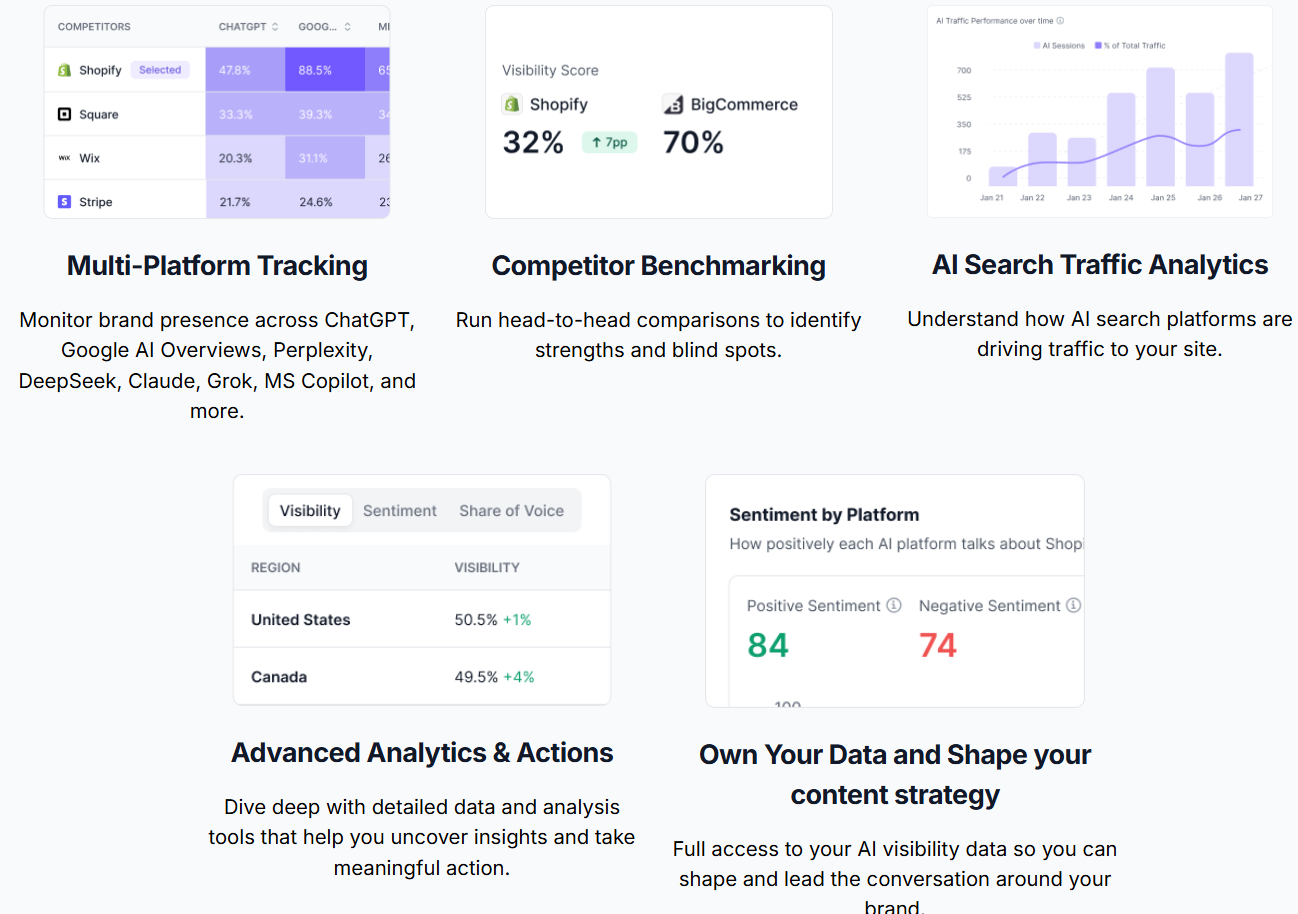
- Optimize by cleaning structured product data, strengthening trust proof, and tracking product-level recommendations and citations across AI engines with WorkDuo.
Agentic shopping is what happens when the “shopper” is no longer just a human, but a system acting on their behalf. Instead of people comparing tabs and reading reviews, AI agents ask, filter, and even buy for them based on goals and constraints.
McKinsey estimates that agentic commerce could reach between $3 trillion and $5 trillion globally by 2030, which means the way products are discovered and bought is about to change at scale.
In this guide, we explain what agentic shopping is, how it works, and how it differs from more familiar assistive shopping experiences. We also cover where it appears today, key 2026 trends, the main risks, how to prepare, and how to make agentic visibility more measurable with an AI visibility tool.
What is Agentic Shopping?
Agentic shopping is when an AI agent shops on your behalf, not just helping you browse. You set the goal and rules, like budget, preferred brands, delivery date, size, and must-have features.
The AI agent searches across stores, compares options, checks stock and shipping, and narrows choices to the best fit. In some cases, it can place the order with your permission.
How Agentic Shopping Works
Before you optimize for it, here’s what you should know about how agentic shopping actually works:
- Intent capture: Turns your request into a clear shopping brief (constraints, preferences, deal-breakers).
- Research and compare: Scans stores/sources, pulls specs, reviews, stock, pricing, and delivery details.
- Decide: Ranks options against your rules, explains trade-offs, and picks the best match.
- Checkout: After approval, confirms total cost, applies discounts, selects shipping, and pays via permitted methods.
- Post-purchase: Tracks delivery, manages returns/issues, and learns from your feedback.
Agentic vs Assistive Shopping
Here’s the key difference between agentic and assistive shopping.
Where Agentic Shopping Shows Up Today
Here’s where agentic shopping already shows up today, across the apps and platforms people use every day.
1. Intent Capture and Shopping Research Layer
This is where agentic shopping shows up as conversational research that narrows choices: the system gathers constraints (budget, size, brand rules, delivery window), compares options by browsing websites, and produces a buy-ready shortlist (often with “approve” steps before anything is purchased).
Examples:
- Perplexity Shopping: Conversational recommendations and purchasing that can move into an order flow for Pro users.
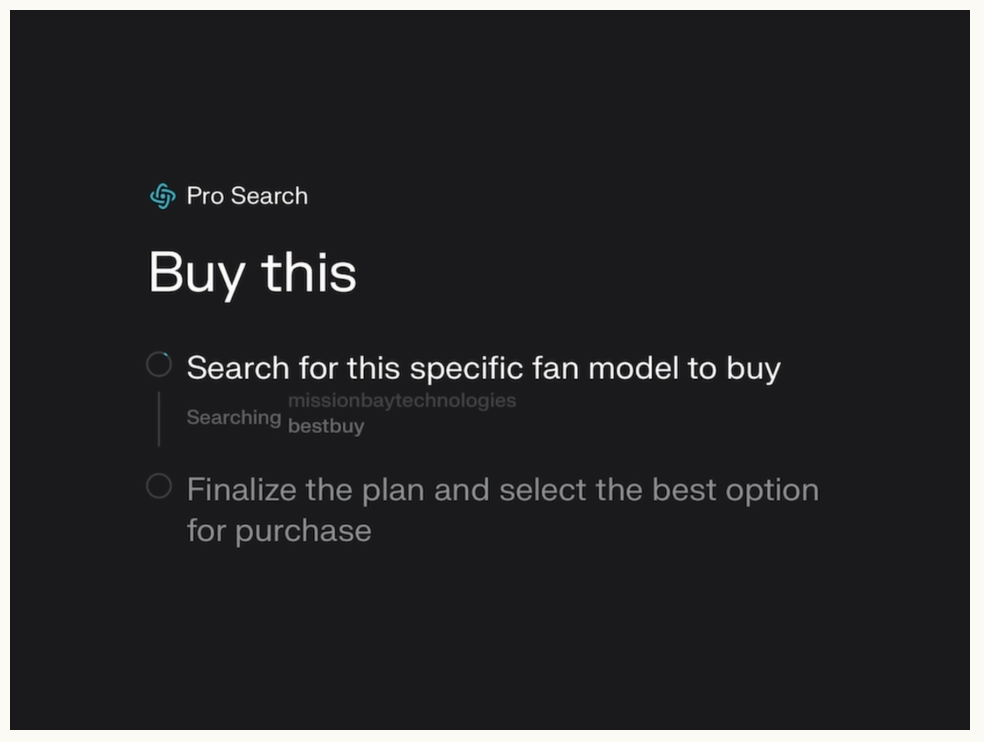
Example of Perplexity Pro Search running a “Buy this” task, from product search to final pick.
2. Product and Merchant Readiness Layer (Catalog Signals Agents Can Actually Use)
Agentic shopping also shows up behind the scenes through structured product data and merchant participation, helping agents recommend the right variant and avoid dead ends (wrong size, unavailable inventory, unsupported shipping). This layer is less visible to consumers, but it’s what makes “agent picks” reliable at scale.
Examples:
- Stripe Agentic Commerce Suite/Protocol: Lets merchants connect catalogs and make checkout accessible to AI surfaces, while keeping merchants as merchant-of-record for fulfillment/returns.
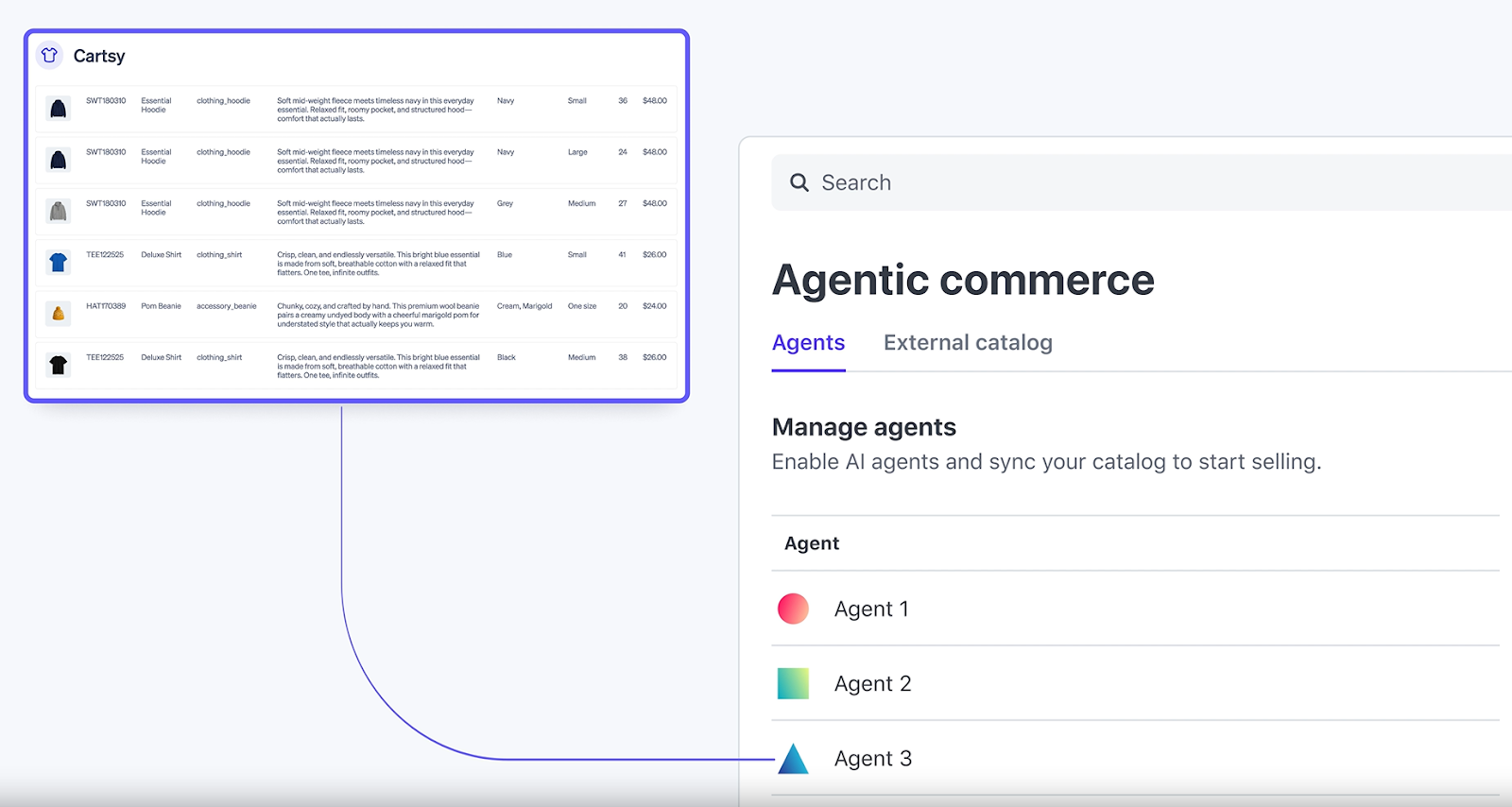
Stripe’s Agentic Commerce Suite: a dashboard to enable AI agents and sync your product catalog.
- Google’s Universal Commerce Protocol: A new open standard for agentic commerce that spans the full shopping journey, from discovery and checkout to post-purchase support.
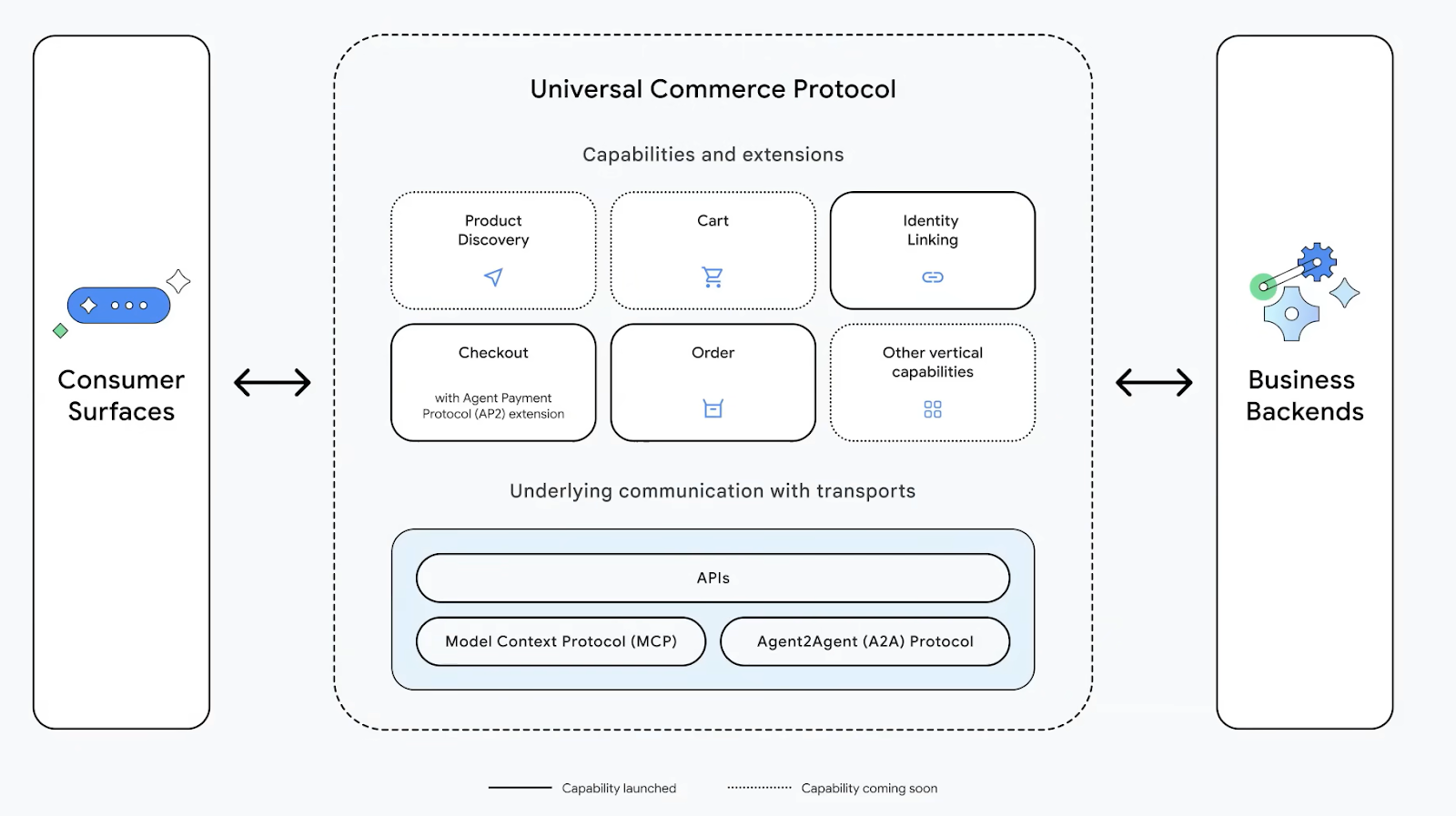
Google’s Universal Commerce Protocol (UCP) linking AI shopping surfaces to business backends.
3. In-Interface Checkout and Delegated Purchase Layer (The “Agent Can Buy” Moment)
This is the most recognizable “agentic shopping” layer: checkout happens inside an AI interface, or the agent executes a purchase on the merchant site on your behalf after you approve details.
Examples:
- Buy It In ChatGPT (Instant Checkout): OpenAI’s in-chat checkout experience built around the Agentic Commerce Protocol (with Stripe).
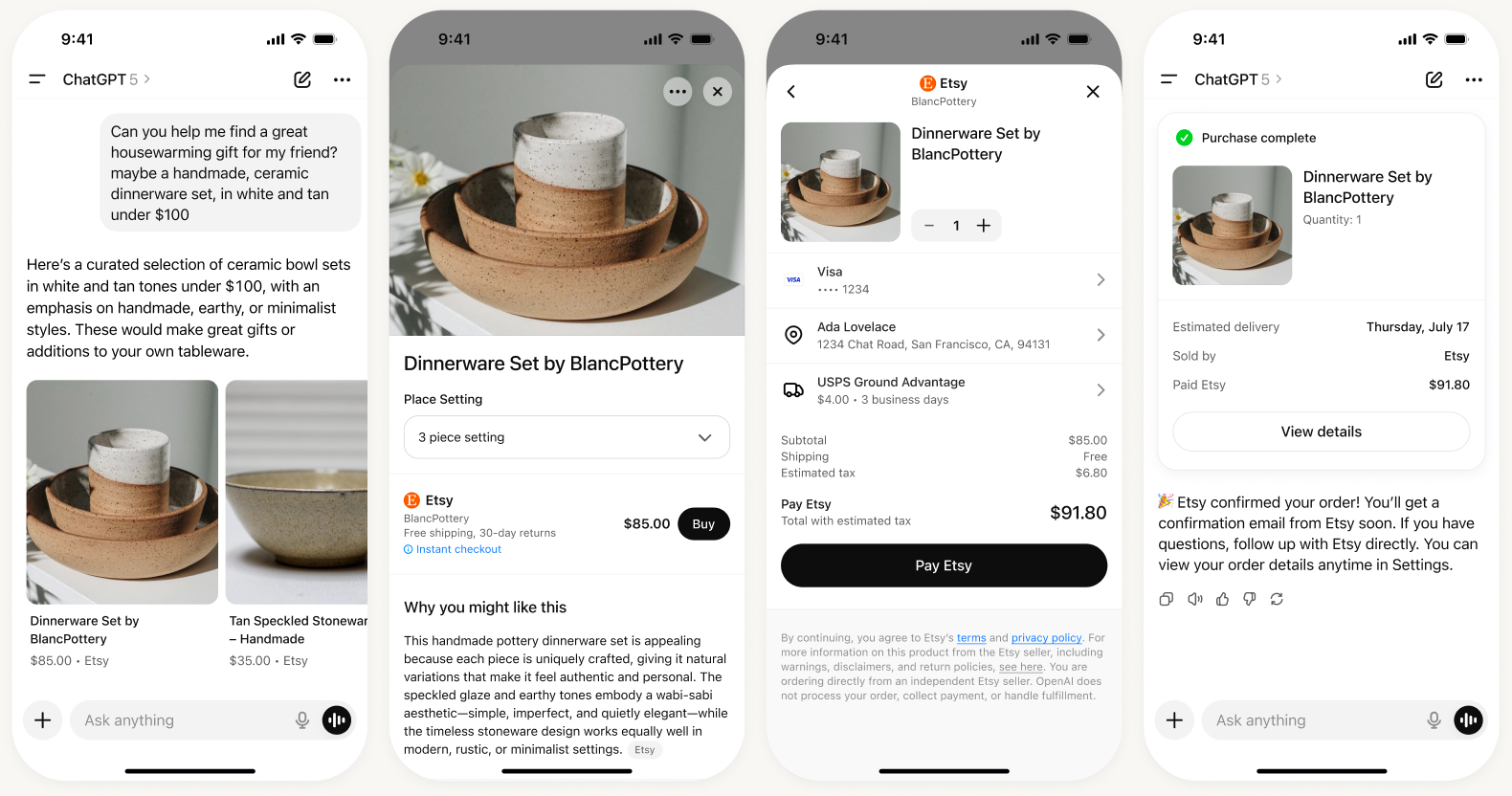
ChatGPT’s agentic shopping flow: from product search to checkout and purchase confirmation.
- Google’s agentic tool for shoppers: Shop conversationally in Search, have Google call nearby stores to confirm stock and pricing, and (with your approval) buy the item for you when it hits your budget.

Google “Price drop” alert and a “Let Google call” button in Search.
- Perplexity “Buy with Pro”: A one-click checkout-style experience tied to its merchant program.
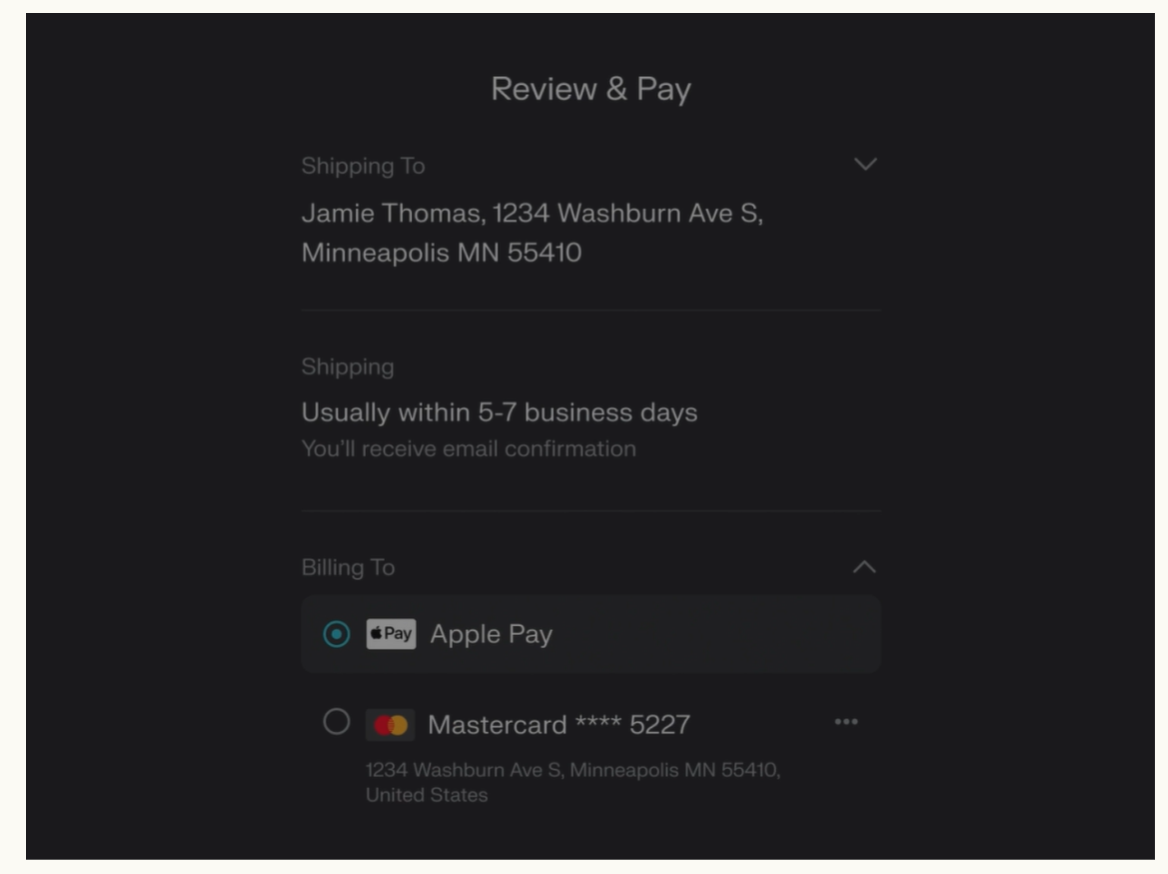
Perplexity “Review & Pay” checkout screen showing shipping details and payment options.
4. Payments, Identity, and Consent Controls Layer (Making Agentic Checkout Safe Enough to Ship)
If an agent can transact, you need controls that answer: who authorized this, what limits exist, and how credentials are protected. This layer includes tokenization, authentication, policy limits, and auditability.
Credible examples (today):
- Mastercard Agent Pay: Agentic payments tech focused on secure, controlled transactions by AI agents.
- Stripe’s agentic commerce stack: positions fraud detection and payments as part of the “sell to AI agents” flow.
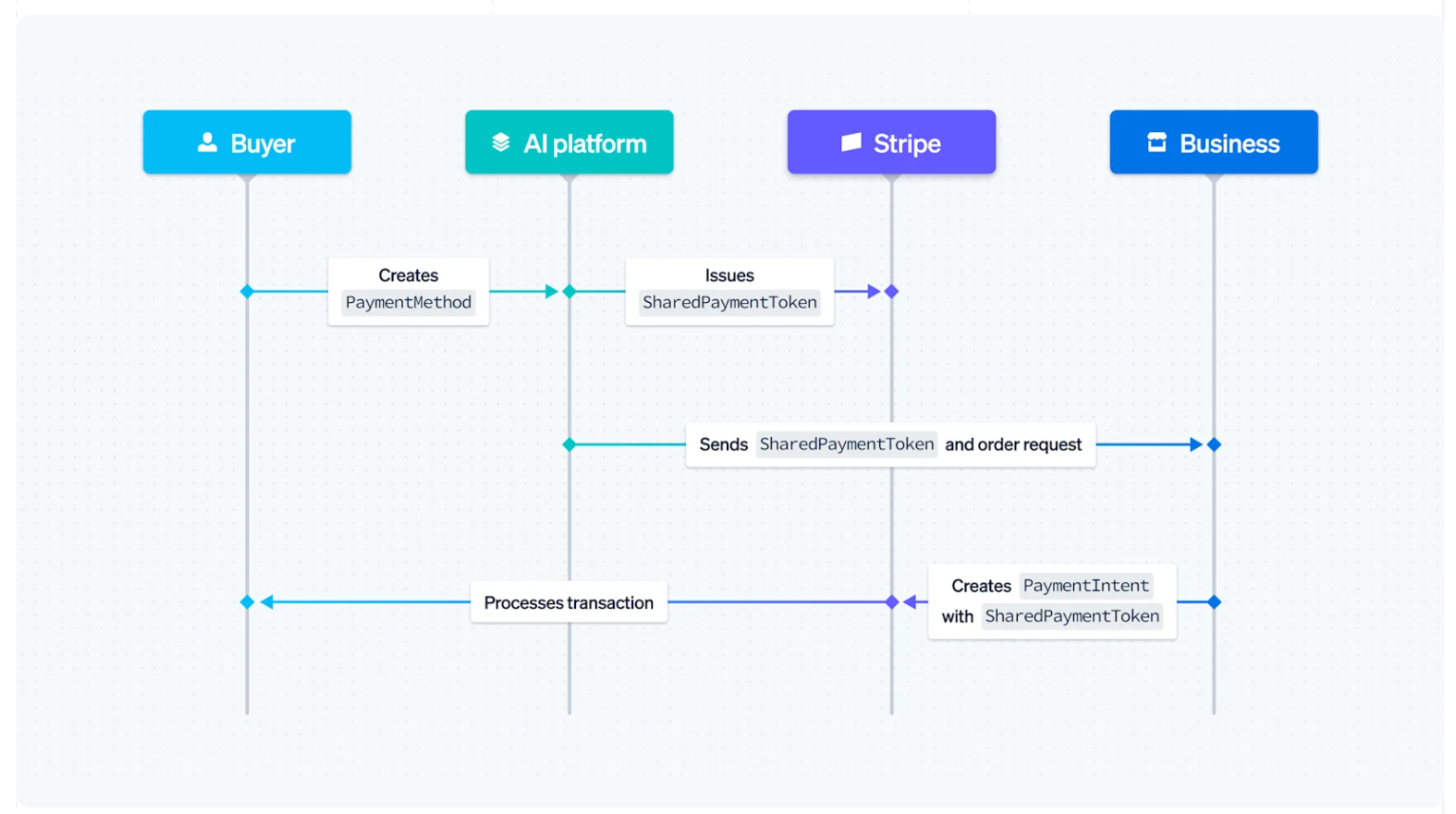
Stripe agentic checkout flow showing Buyer, AI platform, Stripe, and Business exchanging a SharedPaymentToken and creating a PaymentIntent.
Agentic Shopping Trends for 2026 & Beyond
Let’s zoom out and see how agentic shopping is expected to evolve from here.
1. Always-On Shopping Agents With Permissioned Context
Shopping agents will remember your preferences over time, like sizes, brand dislikes, delivery rules, and budget limits, so you give less input each time. Agentic checkout and cross-merchant protocols are making this possible, with user-controlled guardrails.
2. Agent-to-Agent Buying and Negotiation
Buyer agents will send structured requests directly to seller-side agents for availability, delivery windows, bundles, substitutions, and terms. This enables faster-than-human transactions, less emotional bias, and negotiation tactics optimized for agents, not people.
3. Agent-Ready Catalogs and Generative Engine Optimization (GEO) for Products
As agents start buying, brands will need product data that is complete, clean, and machine-readable across price, inventory, delivery, policies, and specs.
Google’s merchant attributes and the UCP are pushing in this direction, and it’s where commerce GEO becomes practical: if an agent can’t confidently read your data, it won’t recommend, or it will hesitate to buy.
That’s also where WorkDuo fits as a monitoring layer to benchmark how often your products are selected, cited, and framed across AI shopping surfaces using real browsing results, not just API outputs.
4. Multi-Merchant Orchestration Becomes Normal For “Missions,” Not Single Items
Once agents can transact, the real value is completing end-to-end missions like “set up a home office” or “weekly restock” across multiple merchants with coordinated delivery and returns.
5. Post-Purchase Automation Becomes the Biggest Trust Builder
Trust will come from agents handling the messy parts, not just buying: cancellations, refunds, replacements, and shipping issues. Gartner’s outlook on agents resolving 80% of customer service work supports the idea that agents will manage the full lifecycle, not only checkout.
Risks of Agentic Commerce and Shopping
Agentic commerce comes with real risks, so you need to know what can go wrong before you use it.
How to Prepare & Optimize for Agentic Shopping
Learn the practical steps to prepare and optimize your products so they stay visible and chosen.
1. Baseline Your Current Agent Visibility
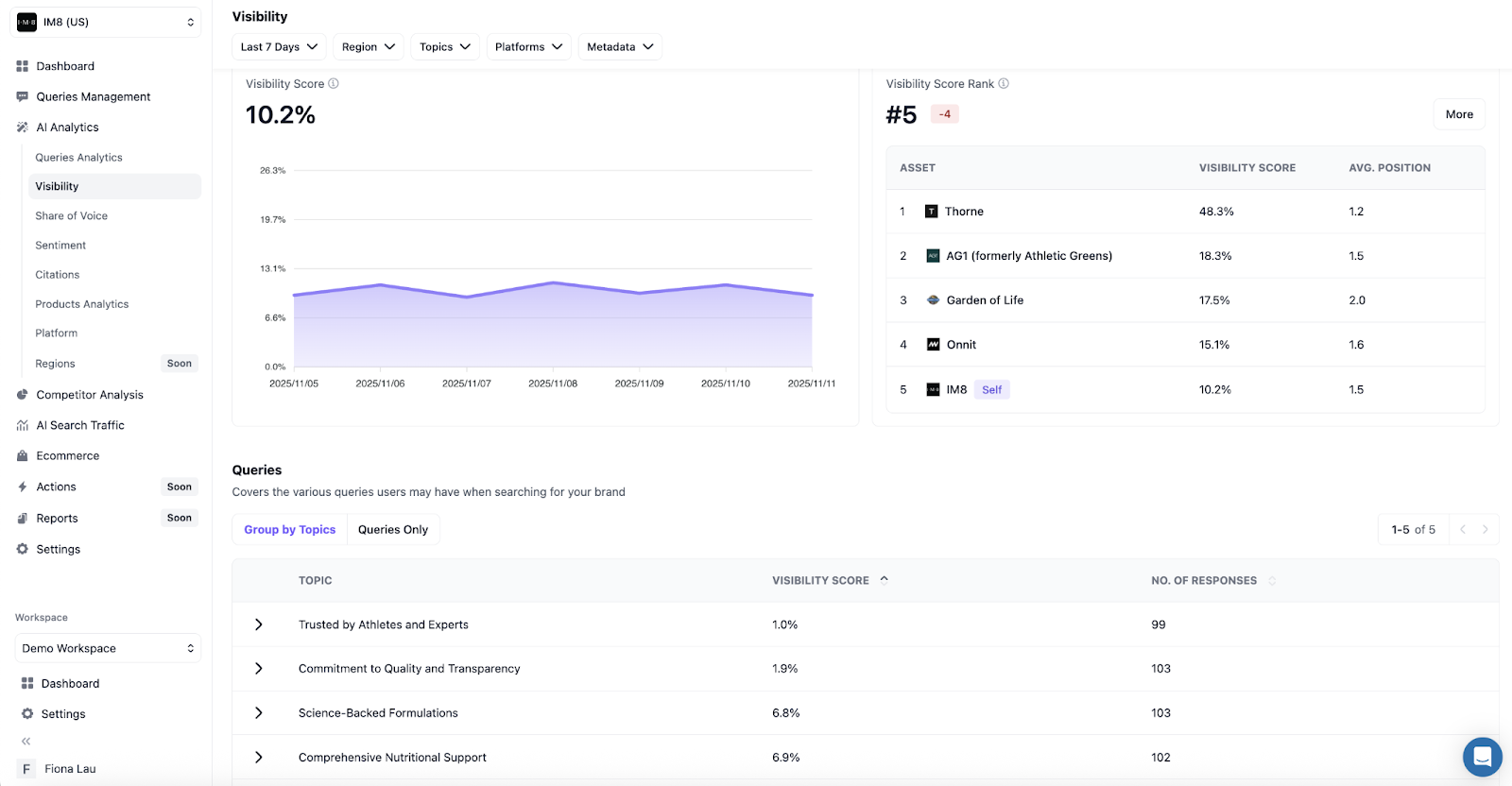
Start by checking how you show up inside agent-enabled shopping flows today. List the prompts that directly drive revenue, run them, then record: whether you appear, how you’re described, where you rank, and how you compare to competitors.
- Example Prompt 1: “Buy a men’s waterproof hiking jacket under $150, size L with a hood.”
- Example Prompt 2: “Find a 27-inch 4K monitor for design work with USB-C under $400.”
To do this at scale, use an AI search tool like WorkDuo to track visibility at the product level, across many prompts.
2. Make Your Product Data Machine-Readable
Agents do not infer meaning like humans. They rely on clean, consistent data.
- Implement structured data: Product, Offer, AggregateRating, Brand, aligned with on-page content.
- Enrich metadata: Size, color, material, dimensions, compatibility, use case, variants.
- Fix integrity issues: Remove duplicates, resolve conflicts, and keep fields consistent across sites, feeds, and marketplaces.
3. Standardize Categories, Filters, and Core Fields
Make it easy for agents to map products to intent.
- Align categories and filters with how people actually shop.
- Keep core fields accurate and synced everywhere: title, brand, category, Global Trade Item Number (GTIN)/Manufacturer Part Number (MPN), price, availability, images, variants, key attributes.
- Avoid half-filled listings. Attribute completeness improves selection confidence.
4. Write Pages That Answer Buyer Questions Fast
Your product page should be the clearest answer to “Is this right for me?”
- Use headings for who it’s for, sizing or dimensions, use cases, materials and care, compatibility, and what’s in the box.
- Add FAQs, size guides, comparison tables, and “Good For/Not Ideal If” notes.
- Use strong images (and video where possible) with clear alt text.
- Write scannable copy with bullets for features, benefits, and specs.
5. Strengthen Trust Signals and Independent Proof
When products look similar, agents lean toward what looks safer and better supported.
- Encourage detailed reviews that mention use case, context, and outcomes.
- Make returns, warranty, shipping, and support easy to find and written plainly.
- Build credible third-party presence (review sites, Reddit comparisons, roundups, marketplaces), so agents have independent sources to cite.
6. Use Digital PR To Show Up Where Agents Pull Evidence
Agents often justify recommendations using external proof.
- Pitch hero products into “best X” and “top picks” roundups on relevant, high-authority sites.
- Prioritize publishers and comparison pages already ranking for your core shopping keywords.
7. Align Pricing and Merchant Signals
If multiple merchants sell the same product, agentic systems will choose which sellers to show.
- Keep availability accurate everywhere.
- Avoid obvious price mismatches across channels.
8. Monitor, Learn, and Iterate
Optimization is continuous in agentic shopping.
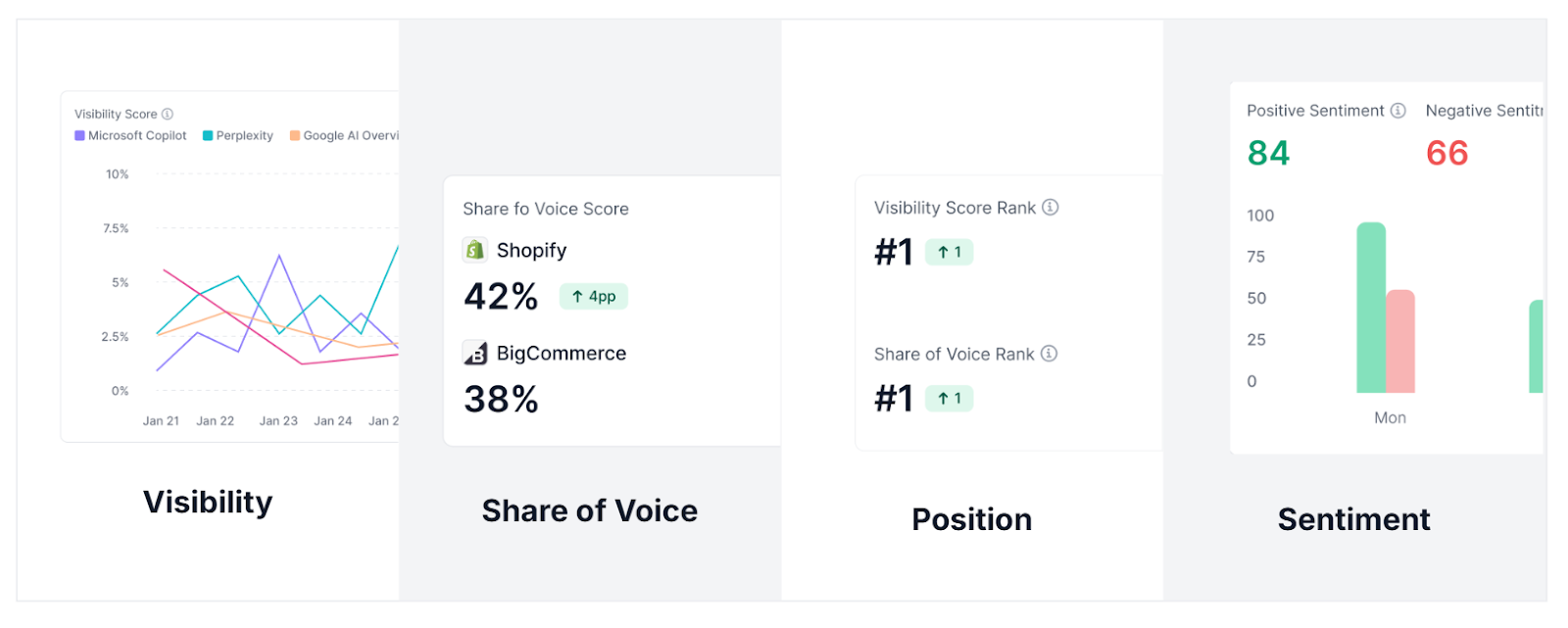
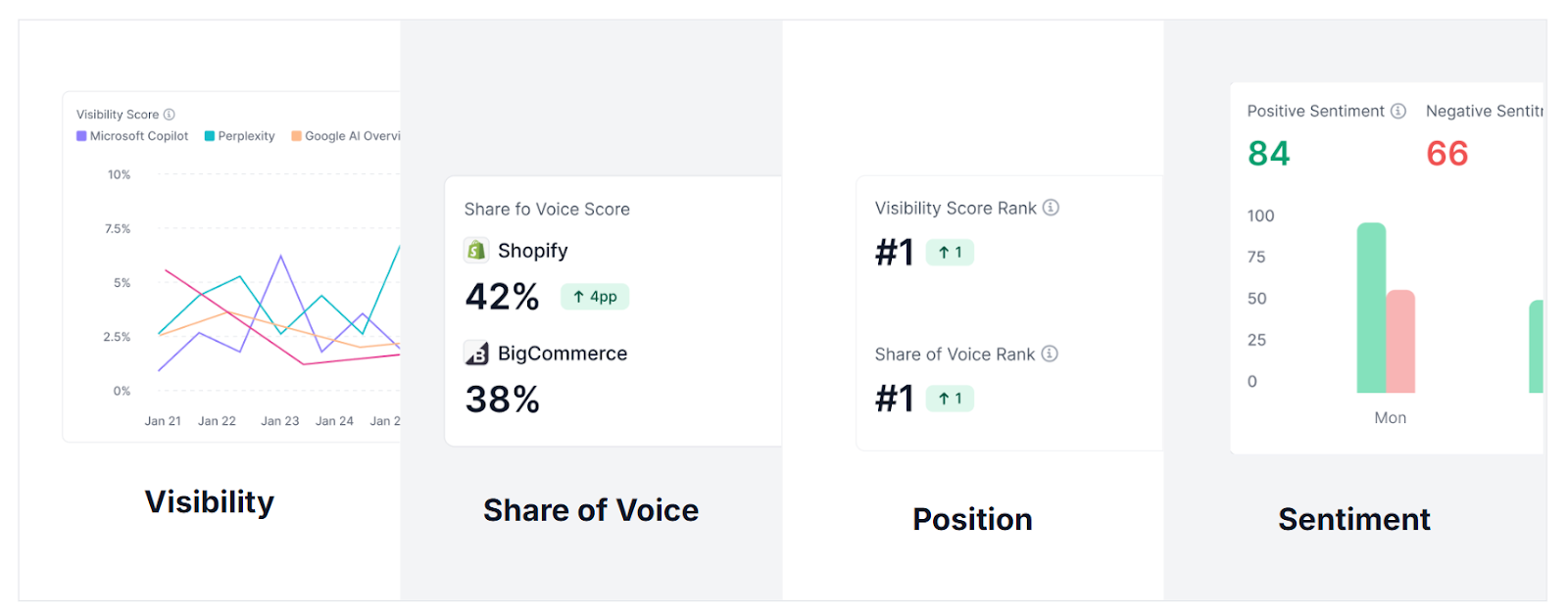
- Track your visibility, share of voice, position, and product sentiment across various AI models.
- Monitor error patterns (wrong variants, policy confusion, price drift), then update product data and page content.
- Re-test the same prompt set regularly to confirm improvements.
Optional Step: Become Agent-Ready
If you have resources, plan for deeper integration.
- Build brand-owned agents for key journeys (product finder, fit guide, replenishment).
- Support agent-compatible checkout (API-capable flows for promotions and loyalty).
- Use strong governance: OAuth-style identity controls, rate limits, and monitoring.
Turn Agentic Shopping Into Trackable Visibility With WorkDuo
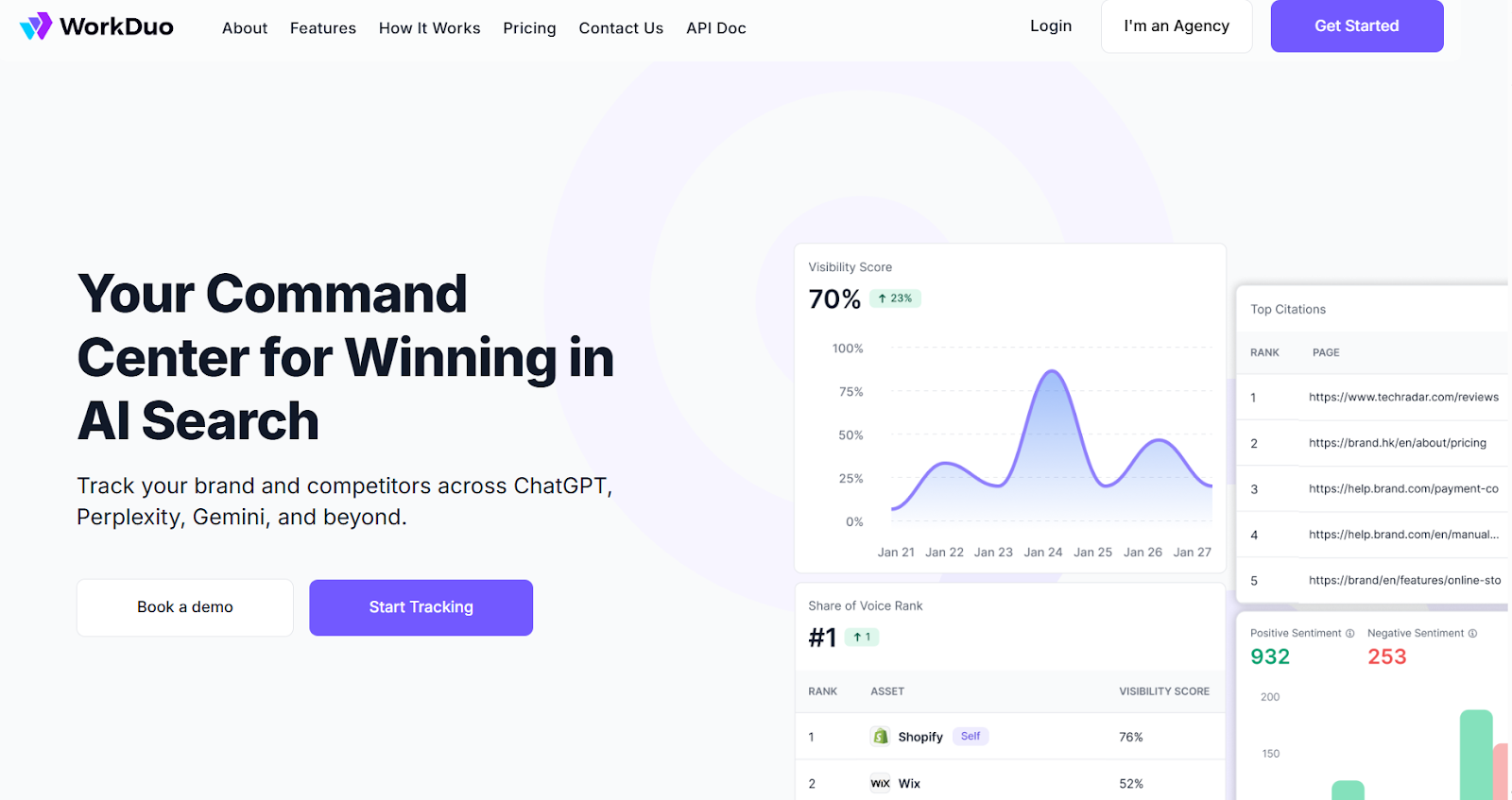
You cannot optimize what you cannot track. WorkDuo turns agentic shopping into measurable signals by monitoring product-level visibility, citations, and share of voice across AI engines, so you can spot drop-offs fast and fix what is stopping agents from picking you.
Sign up and see it for yourself today.
Fiona is the Co‑Founder of WorkDuo AI, where she helps brands optimize their AI search visibility. Previously, she co‑founded SHOPLINE, a smart commerce platform in Asia, and led its successful exit to a NASDAQ‑listed company in 2022. With deep expertise in scaling tech businesses and working with global investors, Fiona now advises startups on growth and data-driven decision-making, while leading WorkDuo’s mission to improve how brands are represented in AI-driven search.

Ready to try our product?
Sign up for a free consultation with our experts.


Follow Us on Social Media
Follow our profiles for daily updates, behind-the-scenes content, and more.




More articles