11 Best ChatGPT Optimization Tools & Platforms in 2026
.png)
- WorkDuo: Best for agencies, multi-brand teams, and anyone who needs strong ChatGPT tracking, competitor reporting, and flexible dashboards.
- Profound and BrightEdge: Best for enterprise teams that want deeper AI visibility intelligence and broader search programs at scale.
- Semrush and Ahrefs: Best for SEO-led teams that want ChatGPT optimization tied closely to research, content, and broader search strategy.
- Writesonic and AthenaHQ: Best for teams that want visibility insights paired with clear optimization actions, content updates, and business impact.
- Promptwatch, Peec AI, Otterly AI, and Similarweb: Best for leaner teams that want focused tracking, cleaner workflows, simpler monitoring, or traffic-level insight.
ChatGPT now has 900+ million weekly active users, so “ChatGPT optimization” is no longer a side experiment. It’s becoming a real distribution and reputation channel.
In this guide, we break down the best tools and platforms to help you monitor visibility, improve how your brand shows up, and turn ChatGPT into something you can actually manage.
1. WorkDuo: Best for ChatGPT Visibility Tracking and Competitive Reporting
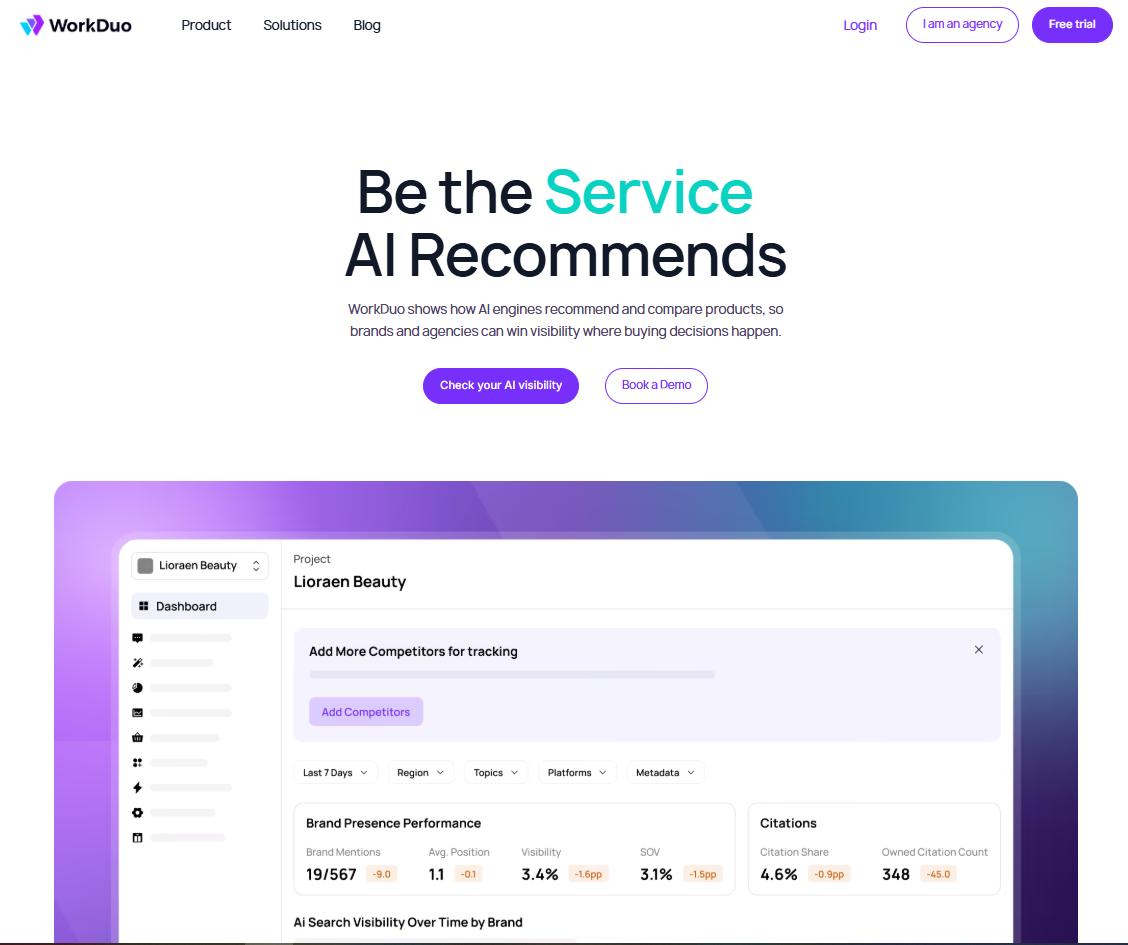
WorkDuo is a GEO platform that helps brands and agencies understand how they appear inside ChatGPT responses, comparisons, and recommendation moments. It is especially useful for teams that want to track ChatGPT visibility, measure competitor performance, and turn those insights into clearer reporting and optimization decisions.
Key Features
ChatGPT Visibility And Ranking Insights
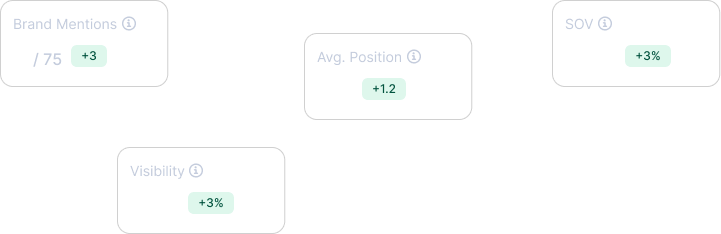
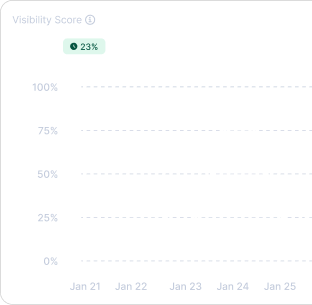
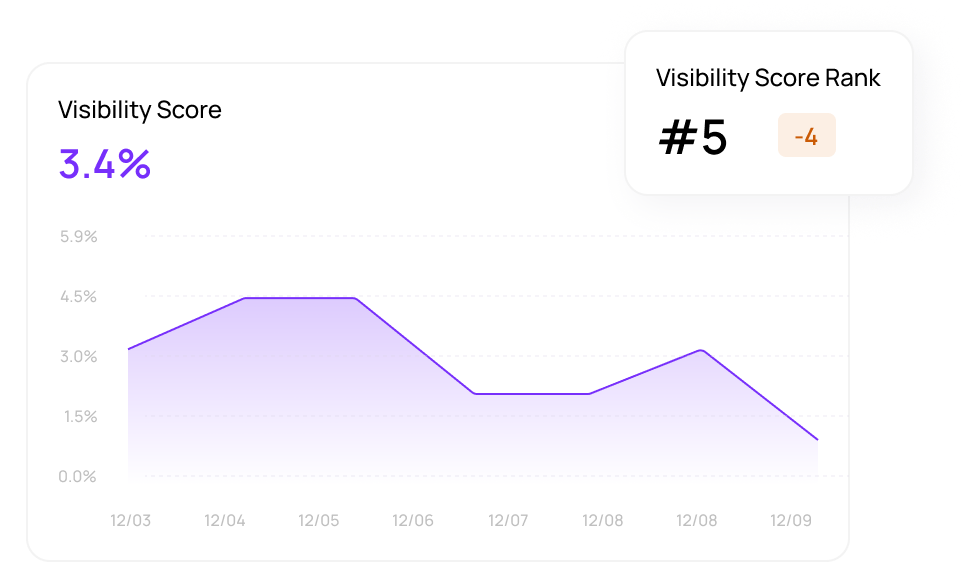
WorkDuo helps teams measure how visible their brand is across tracked ChatGPT queries. This makes it easier to see where a brand is showing up, how strong its presence is, and how that visibility changes over time.
Competitive Share of Voice Tracking
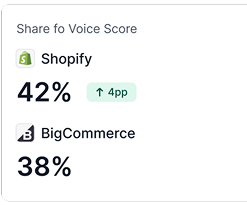
The platform lets users compare their share of voice against competitors across ChatGPT prompts. That gives teams a clearer view of who is dominating visibility in a category instead of relying on isolated mentions.

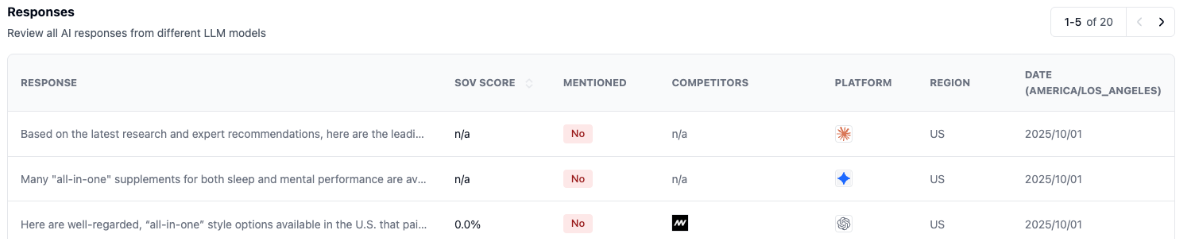
Query-Level Response Analysis
For individual prompts, teams can review ChatGPT responses and see whether their brand appears, whether competitors appear, and how those answers are framed. This adds useful context that summary scores alone cannot provide.
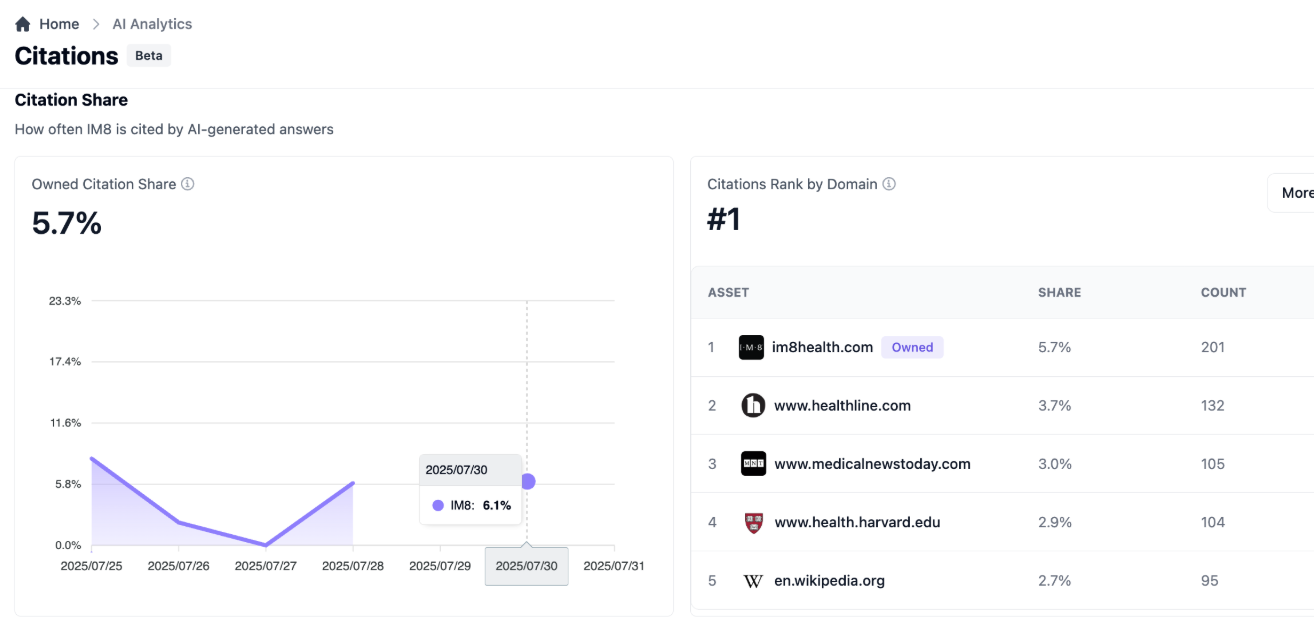
Source and Citation Intelligence
WorkDuo helps teams understand which domains are being cited in ChatGPT-generated answers and how their citation presence compares with competitors. That can help brands spot authority gaps and identify where stronger visibility may need stronger source signals.
Real-Time Browser-Based Tracking
One of WorkDuo’s stronger differentiators is its real-time browser-based tracking approach. Compared with tools that rely mainly on API outputs, this gives teams a closer view of what users may actually see in live ChatGPT experiences.
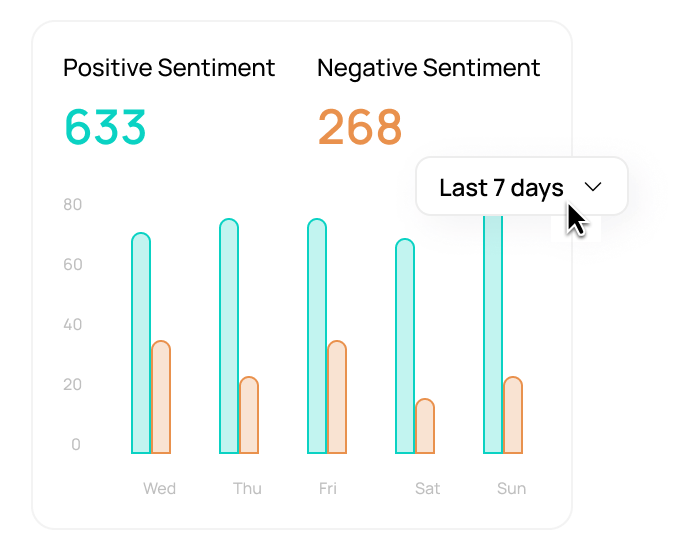
Source & Sentiment Intelligence
WorkDuo gives teams a clearer view of the sources behind AI answers and the sentiment attached to product mentions. This can help uncover content gaps, source problems, and risks in how your brand is positioned.
Agency-Ready Reporting And White-Label Workflows
WorkDuo supports reporting needs through API access, Looker Studio integration, and white-label options. That makes it easier for agencies to turn ChatGPT visibility data into branded dashboards, client reporting, and pitch materials.
Pricing
Where WorkDuo Shines
- Multi-engine coverage: Even in a ChatGPT optimization article, WorkDuo stands out because it also tracks visibility across Gemini, Google AI Overviews, and other AI search experiences.
- Better tracking volume for the price: Compared with some alternatives, WorkDuo gives teams more AI response capacity before plan limits start to feel restrictive.
- Unlimited user seats: Teams can give access to more users without worrying as much about seat-based pricing getting expensive.
- Alerts and trends: WorkDuo helps users catch shifts in AI recommendations early, before those changes start affecting visibility or revenue.
- Real-time tracking method: Its browser-based tracking gives a closer view of live results than tools that rely mainly on API-based outputs.
- Agency-ready setup: White-label options, API access, and flexible reporting make it easier for agencies to use WorkDuo in client work.
Where WorkDuo Falls Short
- Not built for AI content generation: WorkDuo is focused on tracking, analysis, and reporting rather than generating large volumes of ChatGPT-ready content.
- Not a publishing tool: It does not push updates live to websites, landing pages, or product listings.
Who WorkDuo Is Best For
- Agencies offering ChatGPT optimization services: A strong fit for agencies that want to report on ChatGPT visibility and package it as a client-facing service.
- Brands in competitive categories: Useful for teams that want to understand how ChatGPT compares them with rival brands and products.
- Growth and digital strategy teams: Helpful for teams that want to connect ChatGPT visibility with broader discovery, positioning, and market presence.
- Teams that need stronger reporting flexibility: Best for users who want to bring ChatGPT visibility data into custom dashboards, branded reports, or internal workflows.
2. Profound: Best for Enterprise Teams That Want Deep ChatGPT Visibility Intelligence and Optimization Workflows
Profound is one of the strongest dedicated platforms for improving how brands show up in ChatGPT because it is built around AI visibility, answer-engine monitoring, and workflow-driven optimization.
It covers ChatGPT alongside other major answer engines and adds tools like Prompt Volumes, which helps teams understand what people are actually asking AI systems, plus broader analytics that help marketers turn visibility data into content and strategy decisions.
Key Features
- Answer engine monitoring: Tracks brand visibility across ChatGPT and other major AI answer engines.
- Prompt volumes: Reveals the questions people are asking tools like ChatGPT so teams can prioritise the right topics.
- Product and asset tracking: Lets teams monitor how specific products, features, and attributes show up in AI answers.
Pricing
Where Profound Shines
- Very strong AI-search depth: It is purpose-built for AI visibility rather than adapting a traditional SEO stack.
- Useful for strategic planning: Prompt data helps teams decide what to publish or improve for ChatGPT visibility.
- Well-reviewed for analytics and support: G2 reviewers consistently praise the data quality, support, and ability to optimize content from the insights.
Where Profound Falls Short
- Steeper learning curve: Some users say the platform takes time to learn.
- Can feel heavy for smaller teams: Its depth is better suited to larger programs.
- More specialised than a broad SEO suite: Teams may still need separate tools for traditional SEO work.
- Best value depends on active use: It is strongest when teams are continually acting on the data, not just checking mentions.
Customer Reviews
Cameron R., Team Lead, SEO, shared on G2 that Profound keeps shipping useful new features at a fast pace, evolving from a basic visibility monitoring tool into a more advanced GEO/AEO platform with real user data, AI optimization workflows, persona tracking, and strong customer support.

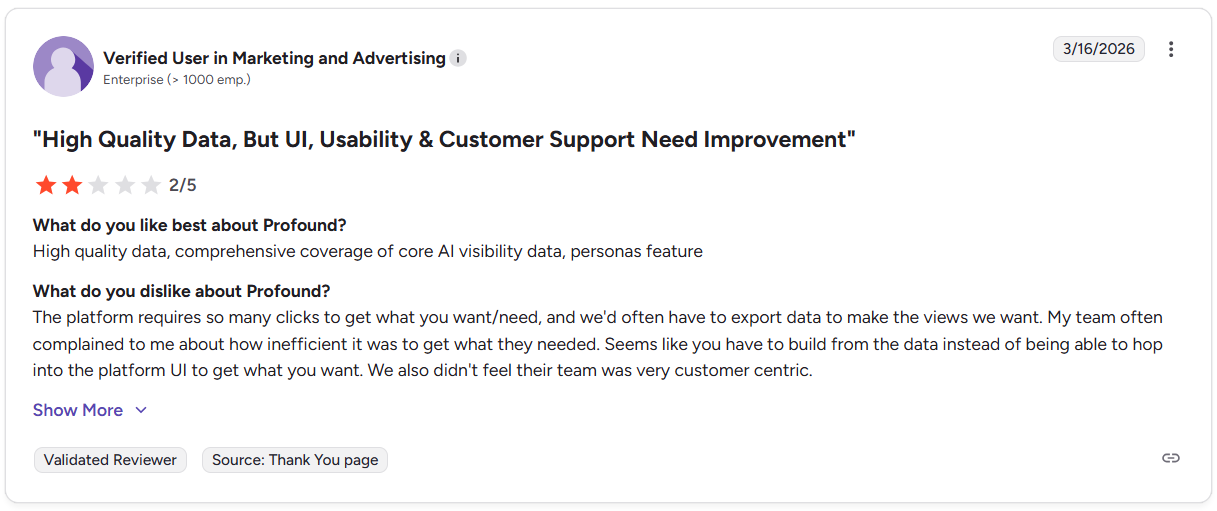
A verified user in Marketing and Advertising noted on G2 that while Profound offers high-quality data, the platform feels inefficient to navigate, often requires extra exporting to get usable views, and falls short on customer-centric support.
Who Profound Is Best For
- Enterprise marketing teams: Best for brands running a serious AI visibility or answer-engine optimization program.
- SEO, content, and brand teams: Especially useful when ChatGPT visibility needs to feed ongoing strategy and execution.
3. Semrush: Best for Brands That Want To Optimize For ChatGPT While Keeping AI Visibility, SEO, Content, and Reporting In One Stack
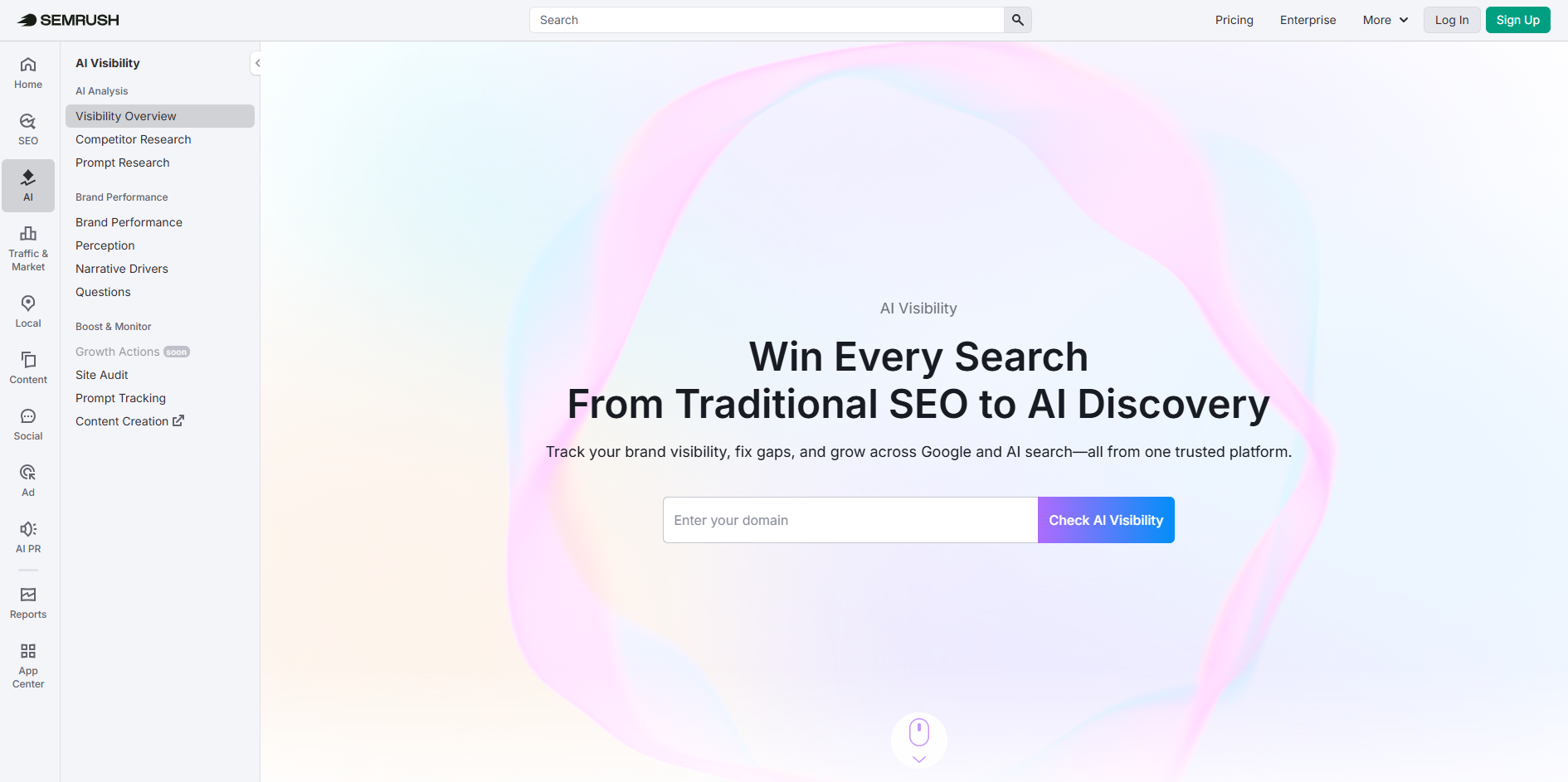
Semrush is one of the most complete options for ChatGPT optimization because it connects AI visibility to the rest of your search workflow.
Its AI Visibility Toolkit helps teams benchmark mentions, citations, competitors, prompts, and sentiment, while related features extend into technical audits, AI traffic benchmarking, content optimization, and reporting.
That makes it especially useful for teams that do not want ChatGPT visibility to live in a separate tool from SEO and content strategy.
Key Features
- AI visibility toolkit: Benchmarks mentions, sentiment, competitors, and prompt-level visibility across AI systems.
- AI-readiness site audit: Flags blocked AI crawlers and technical issues that may hurt visibility in AI-generated answers.
- Content toolkit and My Reports: Optimizes drafts for AI search and turns AI visibility plus traffic data into client-ready reports.
Pricing
Where Semrush Shines
- Strong all-in-one workflow: It ties ChatGPT visibility to SEO, content, audits, and reporting in one platform.
- Good competitive analysis: It compares your AI visibility against competitors and surfaces prompt gaps.
- Useful for proving impact: AI visibility, AI traffic, and reporting features make it easier to connect visibility to results.
Where Semrush Falls Short
- Broader than some teams need: It can feel like a large platform if you only want ChatGPT tracking.
- Learning curve: Reviewers often mention that it takes time to get comfortable with the platform.
- Some AI features sit in different toolkits: The full workflow is spread across AI Visibility, Traffic & Market, Content, and reporting tools.
- Can be less specialist than dedicated AI tools: Teams focused only on ChatGPT may prefer a narrower platform.
Customer Reviews
Kendal R., Brand and Content Director, wrote on G2 that Semrush makes SEO and AIO easier with deep, actionable insights, smooth workflow integration, helpful weekly training, and responsive support.

A Reddit user shared that Semrush’s AI Visibility Toolkit is helpful for directional insight, but may not fully reflect conversational AI behavior because it still leans on keyword-based modelling.

Who Semrush Is Best For
- SEO and content teams: Best for teams that want to optimize for ChatGPT without leaving their broader search stack.
- Agencies and mid-market brands: A strong fit for teams that need tracking, optimization, competitor analysis, and reporting together.
4. Writesonic: Best for Teams That Want To Turn ChatGPT Visibility Insights Into New Or Refreshed Content Quickly
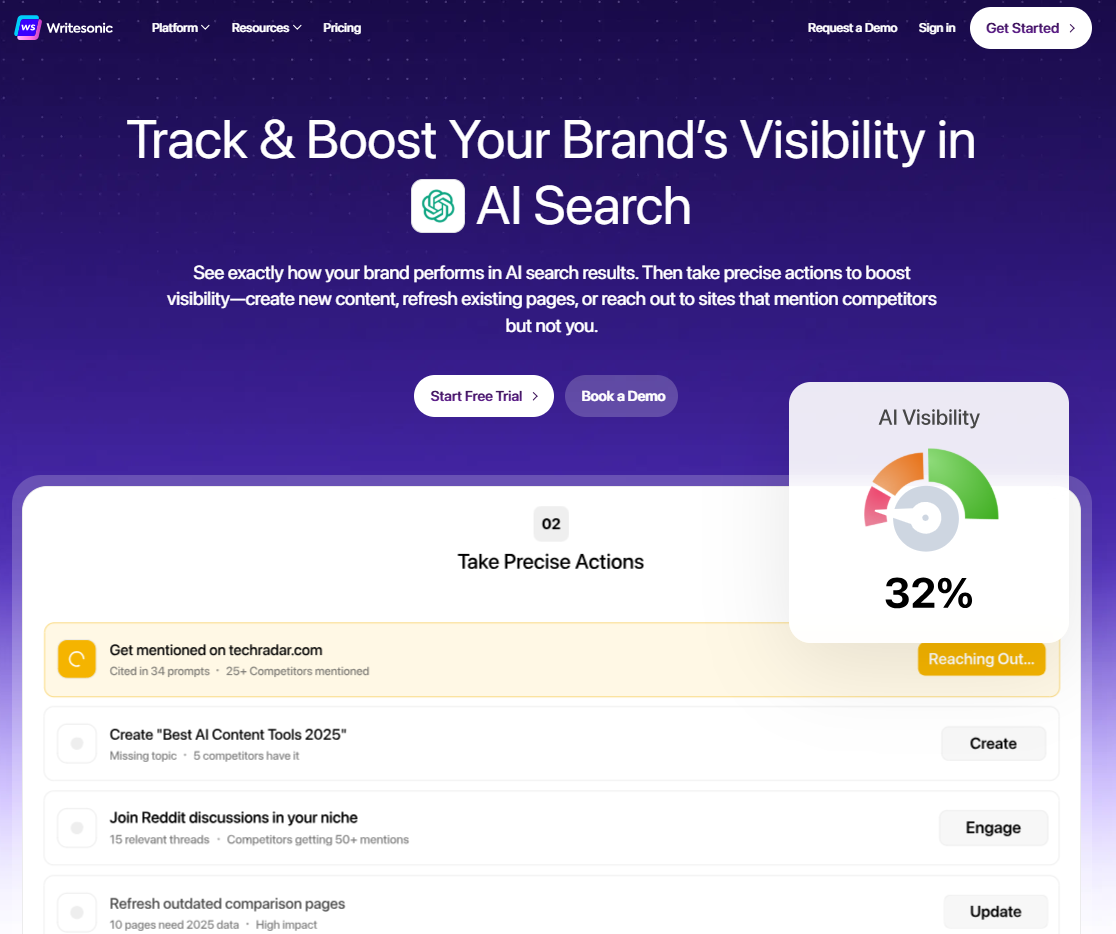
Writesonic stands out because it is not just measuring ChatGPT visibility. It is also trying to help teams act on it faster.
The platform combines AI visibility tracking, citation-gap analysis, AI visibility actions, and a content engine designed to create or refresh pages that can rank on ChatGPT and get cited by it.
For brands that want a more execution-led approach to ChatGPT optimization, that mix is especially useful.
Key Features
- AI visibility tracking: Monitors visibility scores, sentiment, and citations across ChatGPT and other AI platforms.
- AI visibility actions: Identifies citation gaps and content opportunities to help teams improve visibility.
- Content engine: Creates and refreshes content designed to rank traditionally and get cited by AI.
Pricing
Where Writesonic Shines
- Very action-oriented: It moves naturally from visibility data into content fixes and new content creation.
- Good for fast content iteration: G2 reviewers consistently praise its speed and time-saving workflow.
- Strong for teams combining SEO and AI visibility: It is built around both search rankings and AI citations.
Where Writesonic Falls Short
- Quality still needs review: Reviewers say human editing and fact-checking are still necessary.
- Accuracy can vary on niche topics: G2 review summaries mention inaccuracy issues for some use cases.
- Tone can feel generic: Some users say outputs need refinement to sound less general.
- Less ideal if you only want monitoring: Its value is highest when you also want AI-assisted content workflows.
Customer Reviews
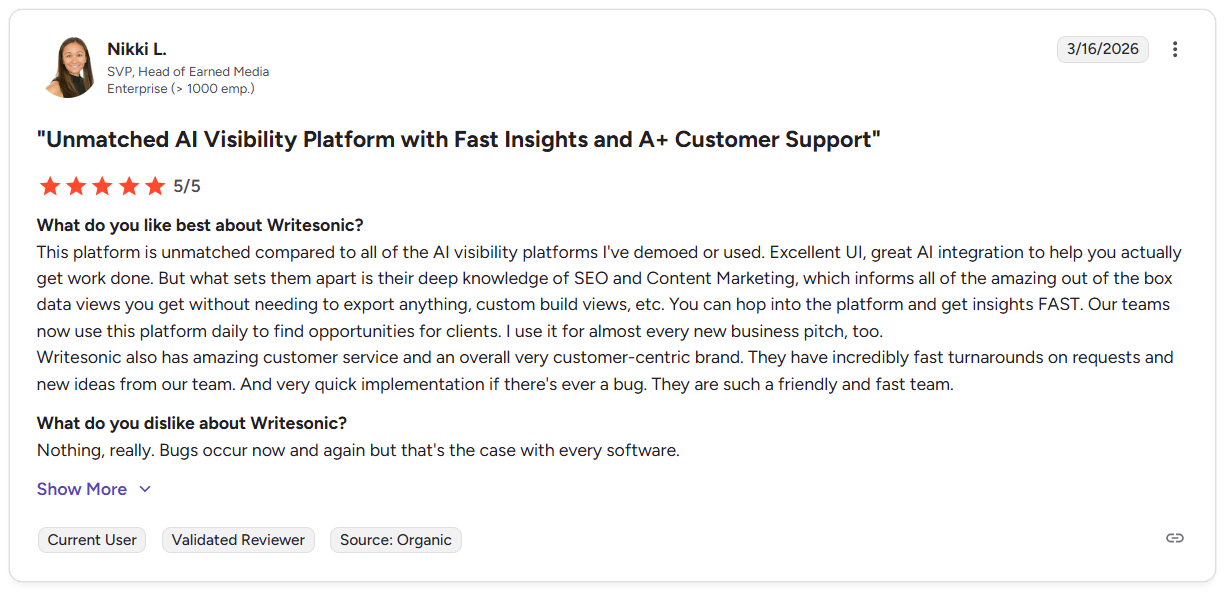
Nikki L., SVP, Head of Earned Media, wrote on G2 that Writesonic stands out for its fast, intuitive UI, built-in insights that do not require extra exporting, strong SEO and content marketing expertise, and exceptionally responsive customer support.
Archith R., Growth Hacker, mentioned on G2 that Writesonic’s tracking can feel inconsistent, with some brand mentions appearing in manual checks but not being captured reliably in the platform’s data.

Who Writesonic Is Best For
- Content-led marketing teams: Best for brands that want to improve ChatGPT visibility by publishing or updating content fast.
- Lean teams that want one workflow: Useful when the same platform is expected to surface gaps and help fix them.
5. Promptwatch: Best for Improving ChatGPT Visibility Through Prompt Tracking, Citation Analysis, and Crawler Insight

Promptwatch is a strong ChatGPT optimization choice because it combines visibility tracking with the kinds of signals teams actually need to improve performance: prompts, citations, crawler logs, visitor analytics, and content-gap insight.
Its positioning is very direct, with the platform explicitly focused on helping brands track and optimize visibility in ChatGPT and other AI search engines.
That makes it especially useful for marketers who want clear visibility into what is helping or hurting their chances of being cited.
Key Features
- Prompt tracking: Monitors brand visibility across ChatGPT and other AI platforms at the prompt level.
- Citation analysis: Shows which sources, pages, and content types are driving citations.
- Crawler and visitor analytics: Adds operational visibility into what impacts AI search performance and traffic.
Pricing
Where Promptwatch Shines
- Very ChatGPT-focused: Its product positioning is directly tied to tracking and optimizing visibility in ChatGPT.
- Strong attribution detail: Citation and crawler views make it easier to see why certain pages or sources win.
- Built for optimization, not just monitoring: It explicitly ties tracking to actionable insight and traffic outcomes.
Where Promptwatch Falls Short
- Less broad than a full SEO suite: Teams may still need separate tools for keyword and technical SEO research.
- Newer platform: It is less established than long-standing SEO vendors.
- May feel operational for light users: Teams wanting only simple mention tracking may not use the full feature set.
- Review depth is still lighter than older platforms: Public review volume is still limited compared with bigger SEO tools.
Customer Reviews
Andre S., Head of Marketing, shared on Capterra that the platform offers detailed recommendations to improve AI visibility, backed by a helpful team and a strong overall user experience.

One Reddit user noted that Promptwatch is fine for basic AI tracking, but its dated interface and limited feel made it less appealing than other options.

Who Promptwatch Is Best For
- SEO and content teams: Best for brands that want to improve ChatGPT citations and understand what drives them.
- Teams that care about page-level insight: Especially useful when you need more than a top-line visibility score.
6. Ahrefs: Best for Researching Which ChatGPT Prompts, Mentions, and Citations Matter Most Before You Optimize Content
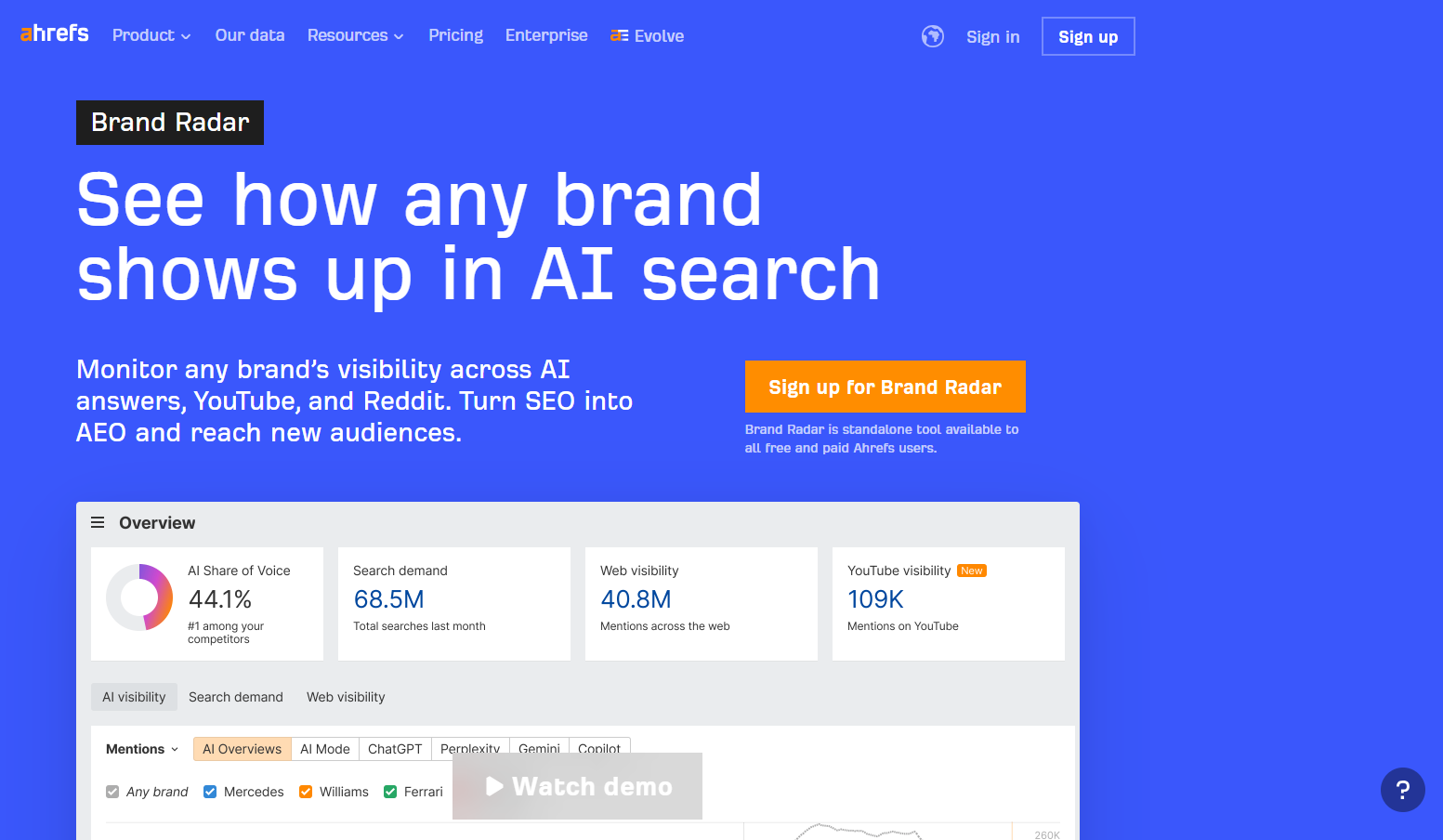
Ahrefs is a strong ChatGPT optimization tool when your process starts with research. Brand Radar helps you monitor AI mentions, citations, impressions, and share of voice, compare yourself with competitors, and add custom prompts for sales-relevant questions.
Because it also layers in search demand, web visibility, and the rest of Ahrefs’ SEO stack, it is especially useful for teams that want to connect ChatGPT visibility back to broader search strategy rather than treat it as a separate channel.
7. Peec AI: Best for Tracking ChatGPT Visibility In A Cleaner, More Focused AI Search Analytics Workflow
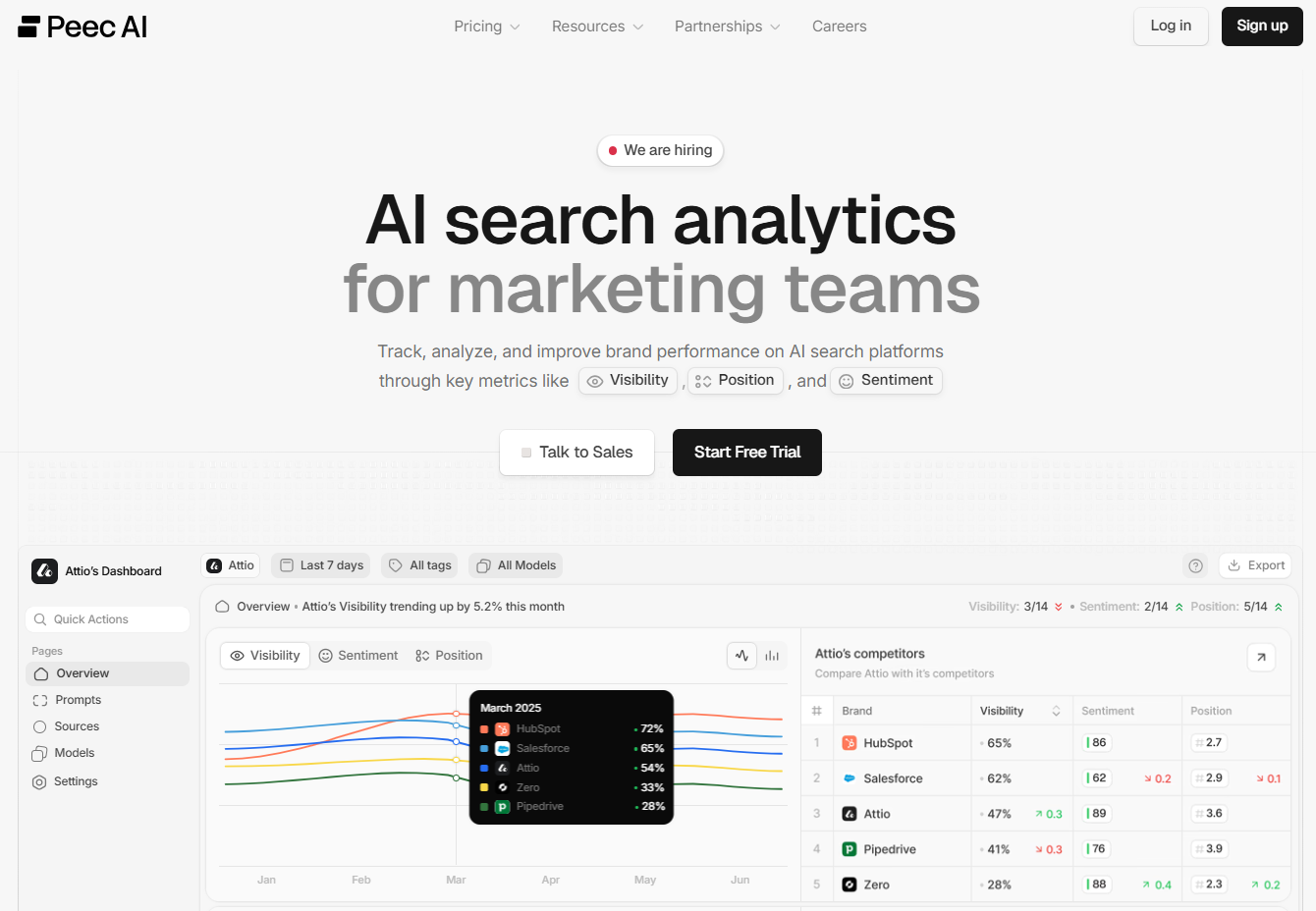
Peec AI is a specialist AI search analytics platform that keeps the workflow relatively focused: define prompts, track visibility, benchmark competitors, and study citations.
It supports ChatGPT and several other AI engines, with daily visibility tracking, URL-level citation analysis, custom prompt tracking, and exports built into the product.
That makes it appealing for teams that want a dedicated ChatGPT visibility tool without the extra weight of a broad SEO suite, especially when clarity and fast decision-making matter more than a huge feature set.
8. AthenaHQ: Best for Teams That Want ChatGPT Optimization Recommendations Tied To Business Outcomes Like Traffic, Conversions, And Revenue
AthenaHQ approaches ChatGPT optimization through an AEO and GEO lens that is more recommendation-led than many tracking tools.
Its platform combines real-time prompt monitoring, citation tracking, competitor benchmarks, and sentiment with an Action Center that tells teams what to fix based on gaps in what AI models cite.
It also connects this work to GA4, Google Search Console, Shopify, and business-intelligence tools, which makes it especially useful for brands that want ChatGPT visibility tied directly to traffic, conversions, and reporting, not just monitoring.
9. Otterly AI: Best for a Simpler Way To Monitor and Improve ChatGPT Mentions And Citations
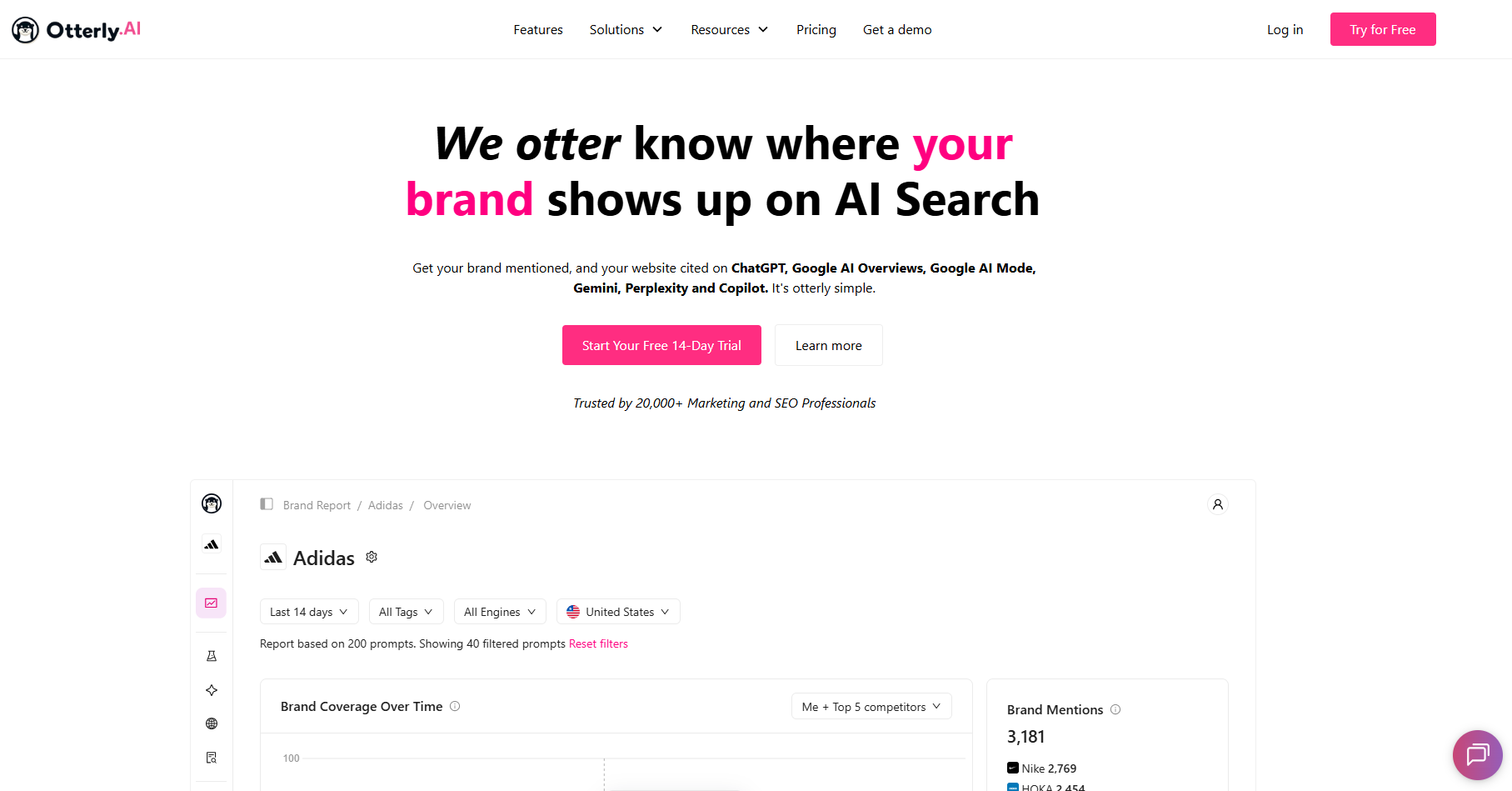
Otterly AI is a lighter, more accessible option for ChatGPT optimization. It tracks brand mentions, share of voice, and cited pages across ChatGPT and other AI search platforms, with an emphasis on simplicity and quick setup.
That makes it a good fit for teams that want to spot where they appear, what content gets cited, and where competitors are winning, without committing to a heavier enterprise workflow.
User review summaries also consistently highlight ease of use and fast setup, which reinforces its appeal for leaner teams.
10. BrightEdge: Best for Enterprise Brands That Want To Optimize Once And Improve Visibility Across ChatGPT At Scale
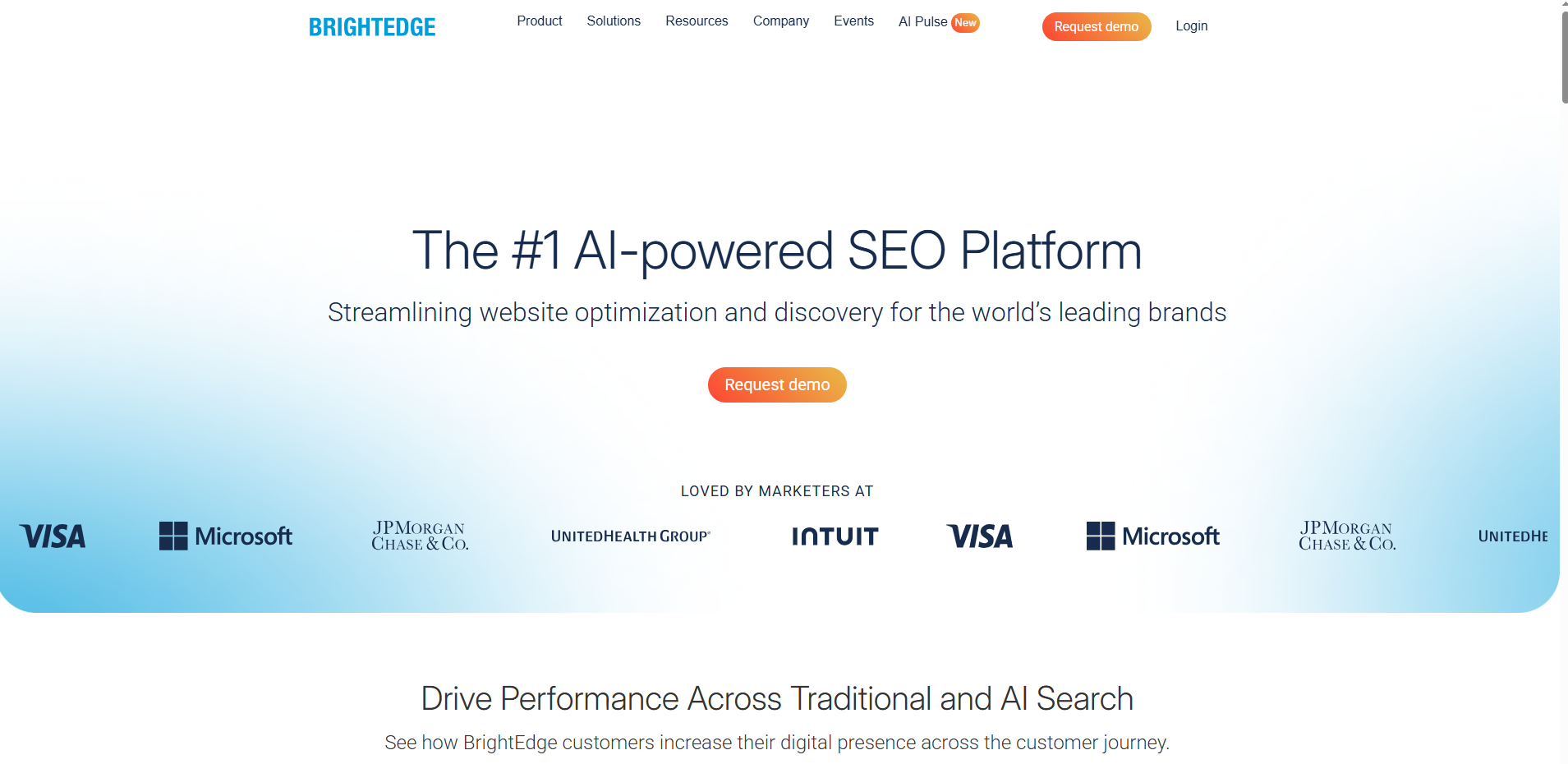
BrightEdge’s AI Catalyst is built for brands that want ChatGPT optimization inside a broader enterprise search intelligence program. It tracks brand presence and sentiment across ChatGPT and other AI engines, then positions itself around helping teams optimize content once and improve visibility across multiple AI-driven search environments.
That makes it particularly relevant for large organizations managing lots of content, multiple markets, or complex reporting structures, where ChatGPT visibility is one part of a bigger organic and AI search strategy.
11. Similarweb: Best for Seeing Which ChatGPT Mentions Actually Turn Into Visits So You Can Double Down On The Pages and Prompts That Work
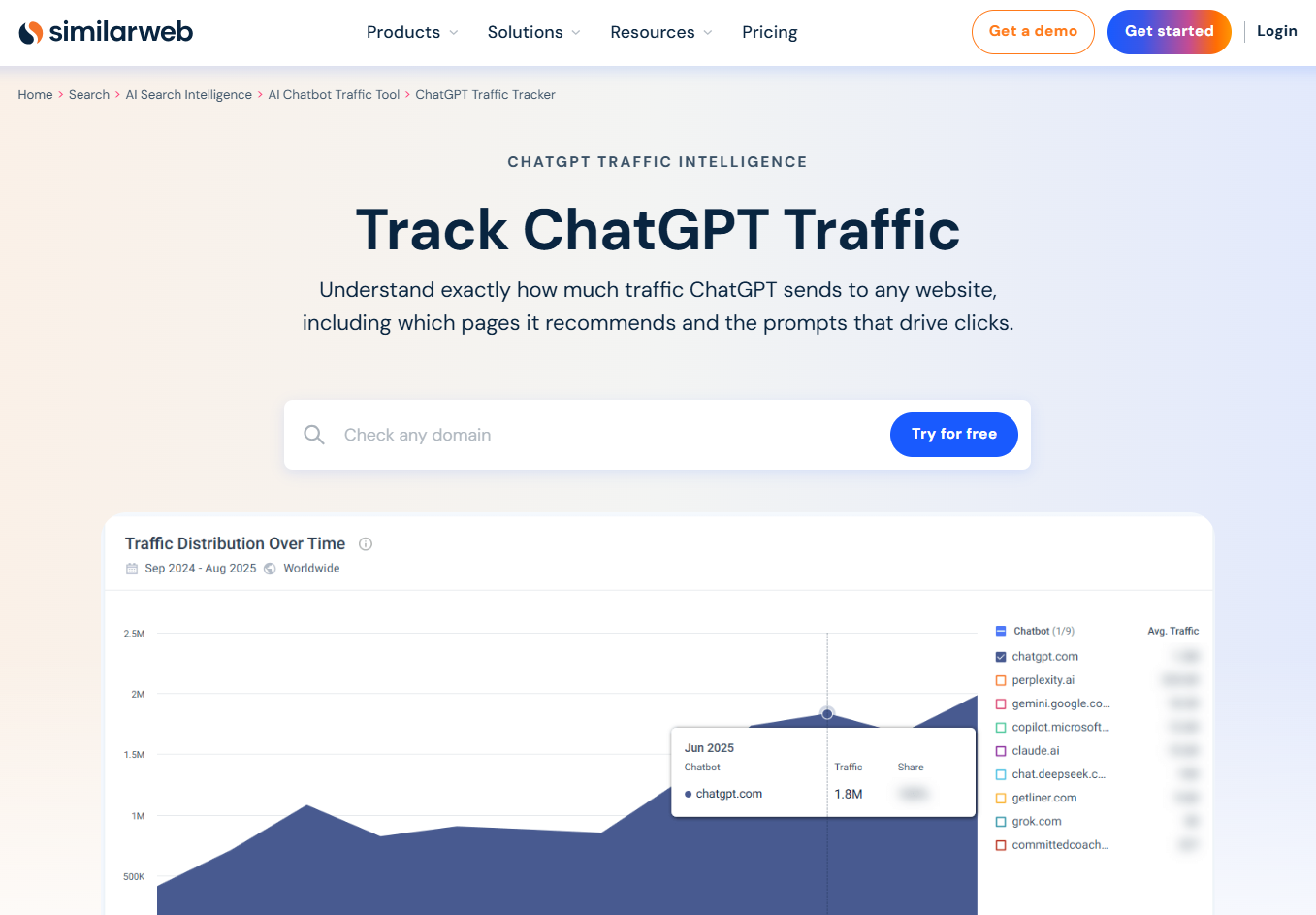
Similarweb brings a different kind of value to ChatGPT optimization because it focuses on outcomes, not just mentions.
Its ChatGPT Traffic Tracker shows traffic share, landing pages, prompt intelligence, and domain comparisons, which helps teams understand which pages are actually getting clicked from ChatGPT and what kinds of prompts drive those visits.
That makes it especially useful as a complement to citation and mention tracking tools, because it helps you decide which content deserves further optimization based on real referral behavior rather than visibility alone.
How to Choose the Best ChatGPT Optimization Tool
Here is what to focus on when comparing tools for ChatGPT visibility now and broader AI search performance later.
1. Pick a Tool That Goes Beyond ChatGPT
ChatGPT may be your main focus today, but that can change fast. Many teams eventually want visibility across Gemini, Perplexity, Claude, and other AI platforms too. Choosing a tool with broader engine coverage from the start can save time, budget, and the hassle of switching later. WorkDuo stands out here because it is built for multi-engine AI visibility, not just one platform.
2. Look at Price in Relation to Actual Usage
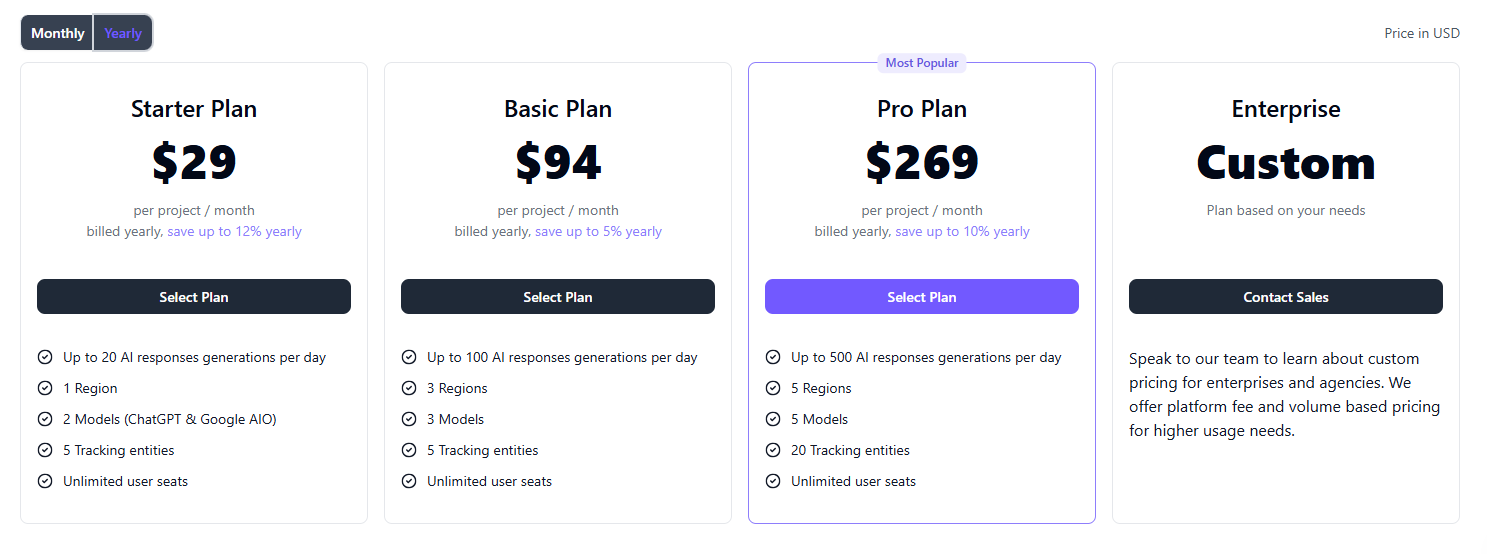
A lower monthly price does not always mean better value. What matters more is how much tracking, model access, and monitoring capacity you get in real use. Some tools look affordable at first but feel limited once your team starts using them daily. WorkDuo is a strong option here because its pricing is tied to practical, ongoing visibility tracking rather than a very narrow starting plan.
3. Check Regional and Market Coverage Closely
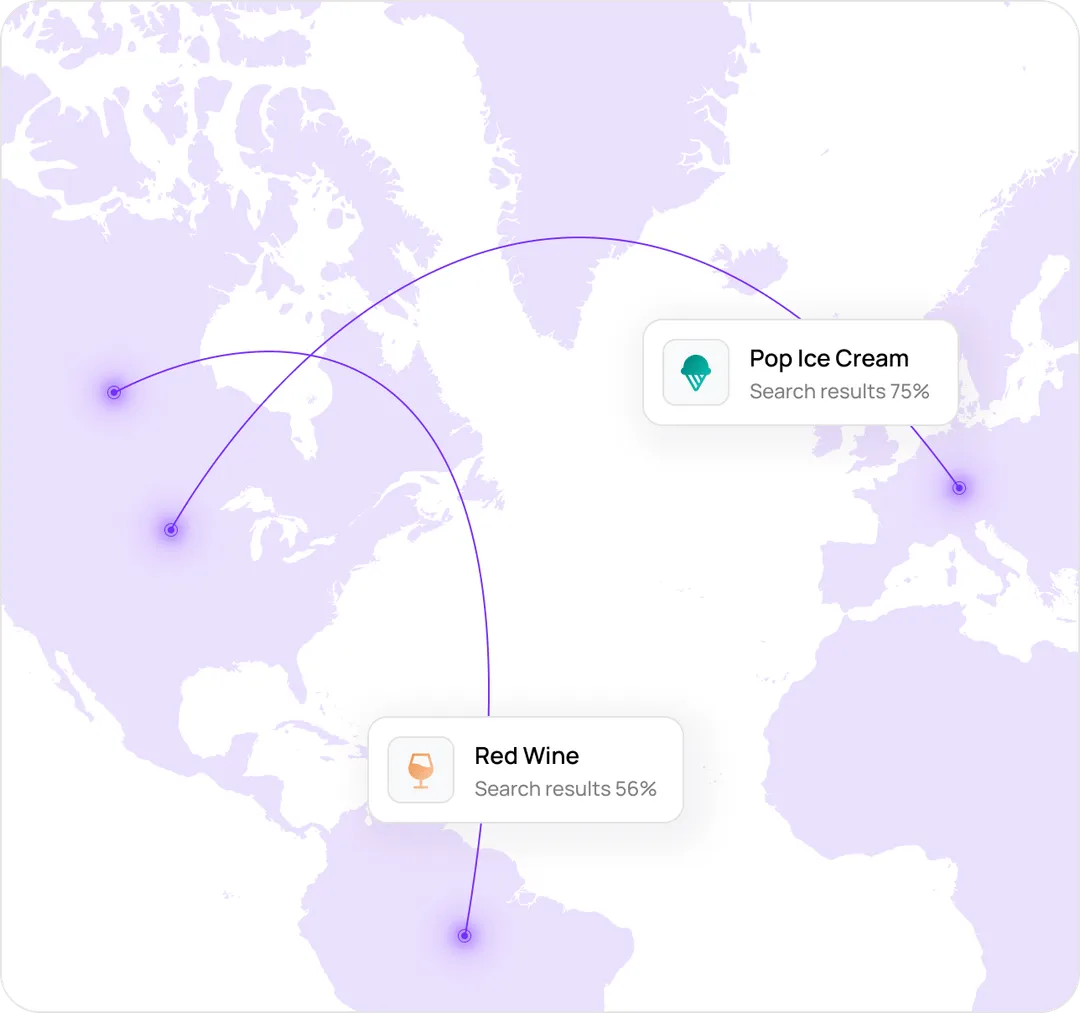
ChatGPT results can differ depending on region, language, and market, so coverage matters more than many teams expect. It is worth checking whether multi-region tracking is included or whether costs rise too quickly as you expand. WorkDuo is a good fit for teams that want wider market visibility without jumping straight to a high-cost plan.
4. Choose a Platform That Works for Both Brands and Agencies
If you manage multiple brands, business units, or client accounts, flexibility becomes essential. Features like project-based setup, APIs, white-label reporting, and custom tracking controls can make a big difference as reporting needs grow. WorkDuo stands out because it is designed to support both in-house teams and agencies that need to scale tracking across several accounts.
5. Choose a Tool Built for Future AI Search Needs
AI search is evolving quickly, so it helps to invest in a platform that can grow with your strategy. What starts as simple monitoring today may turn into more advanced optimization and workflow needs later. WorkDuo is worth considering here because it is being developed with longer-term AI search workflows in mind, including more advanced capabilities as the platform grows.
Start Tracking Your ChatGPT Visibility with WorkDuo Today
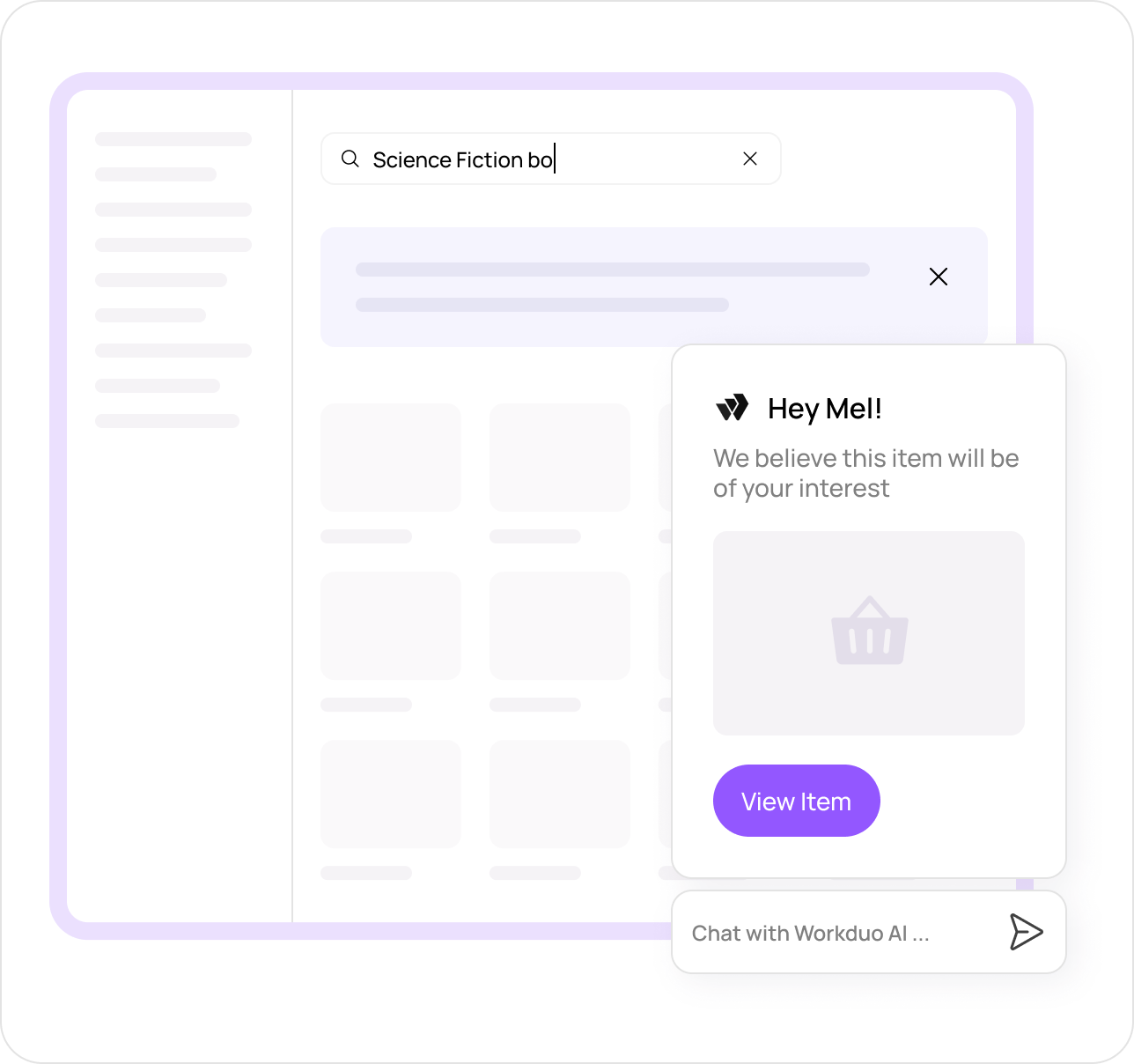
The best ChatGPT optimization tools do more than show mentions. They help you understand visibility, compare performance, and spot what needs attention before it affects discovery. WorkDuo brings that together in one place, with real-time tracking, citation insights, and flexible reporting for both brands and agencies. If you are ready to move from guesswork to real visibility data, get started today.
Fiona is the Co‑Founder of WorkDuo AI, where she helps brands optimize their AI search visibility. Previously, she co‑founded SHOPLINE, a smart commerce platform in Asia, and led its successful exit to a NASDAQ‑listed company in 2022. With deep expertise in scaling tech businesses and working with global investors, Fiona now advises startups on growth and data-driven decision-making, while leading WorkDuo’s mission to improve how brands are represented in AI-driven search.

Ready to try our product?
Sign up for a free consultation with our experts.


Follow Us on Social Media
Follow our profiles for daily updates, behind-the-scenes content, and more.



More articles