11 Best Peec AI Alternatives for AI Search Analytics in 2026
.png)
- WorkDuo: Best for brands, e-commerce teams, and agencies that want flexible pricing, product-level tracking, and scalable AI visibility monitoring.
- Profound and BrightEdge: Best for enterprise teams that need deeper reporting, broader visibility analysis, and stakeholder-ready dashboards.
- Promptwatch and Otterly AI: Best for smaller or growing teams that want simpler AI mention, citation, and visibility tracking.
- Ahrefs, SE Ranking, and Semrush: Best for marketers who want AI visibility data inside a broader SEO workflow.
- Writesonic, AthenaHQ, and Scrunch: Best for teams that want action-focused features like content optimization, AEO guidance, or crawler and traffic insights.
Peec AI does AI search analytics well, but it is not always the best value for every team. Depending on your needs, another tool may offer similar features with better pricing, stronger exports, or a workflow that is easier to run consistently.
This guide breaks down eleven Peec AI alternatives, comparing pricing, features, and best-fit use cases.
Why Users May Consider Switching From Peec AI
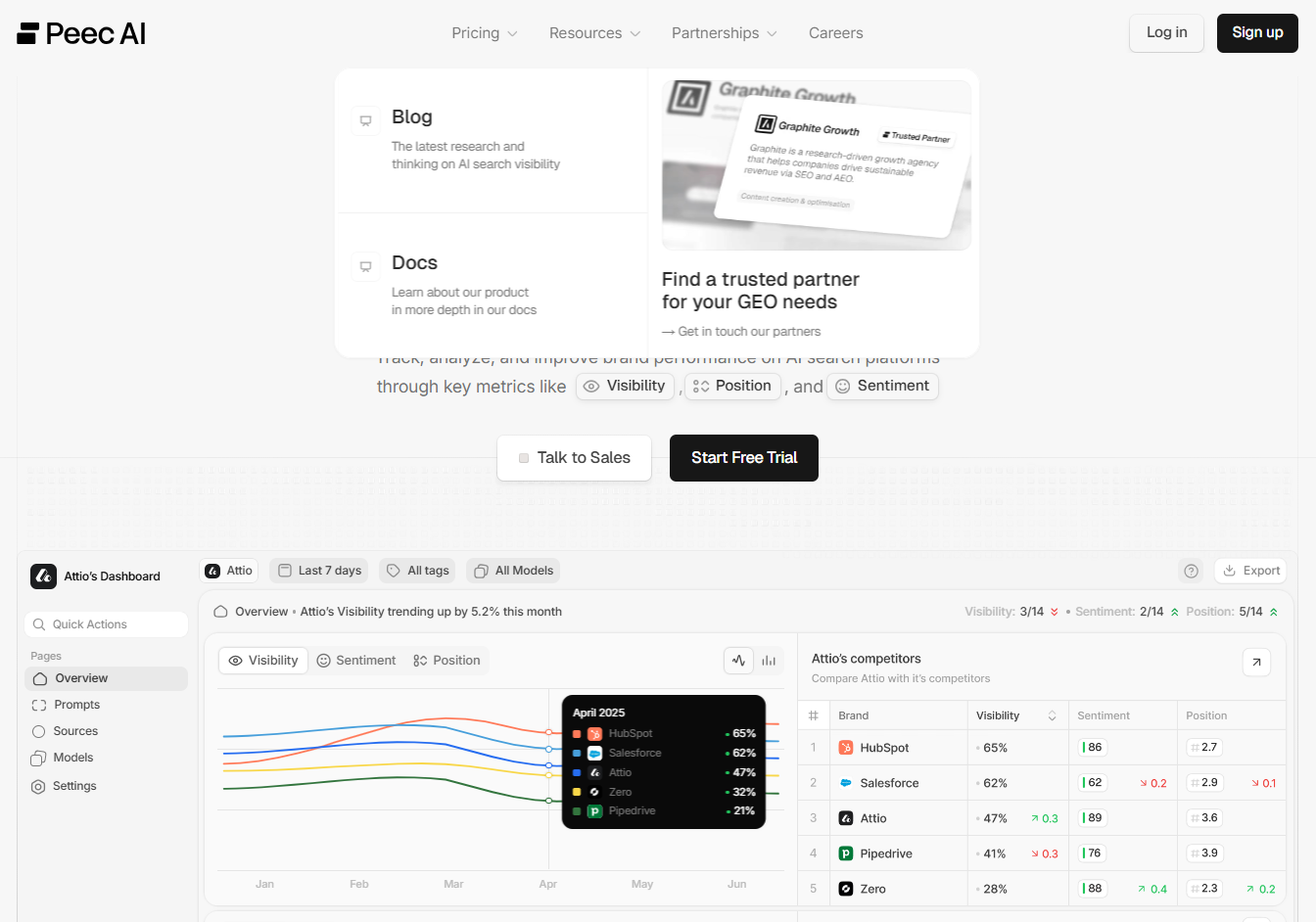
For some businesses, the main concerns are Peec AI’s pricing, flexibility, and whether the platform gives enough depth for scaling needs.
Below is the complete pricing breakdown of Peec AI for brands:
Here are a few of the main reasons some users may consider switching from Peec AI:
- High starting cost: The entry price may feel expensive for small businesses or teams with limited budgets.
- Limited entry plan: Starter only includes 50 prompts and 1 project, which may not be enough for brands tracking multiple markets, products, or campaigns.
- Expensive scaling: As usage grows, the pricing increases quickly, which can make Peec AI harder to justify compared with alternatives that offer more for less.
- Less flexible structure: The project-based setup may feel restrictive for agencies, multi-brand companies, or teams managing several clients.
If you are specifically running an online store, checking out a dedicated list of the best AI search analytics tools for E-commerce can help you find a better software match.
11 Best Peec AI Alternatives: At a Glance
1. WorkDuo: Best for Real-Time AI Visibility Tracking With Flexible Pricing
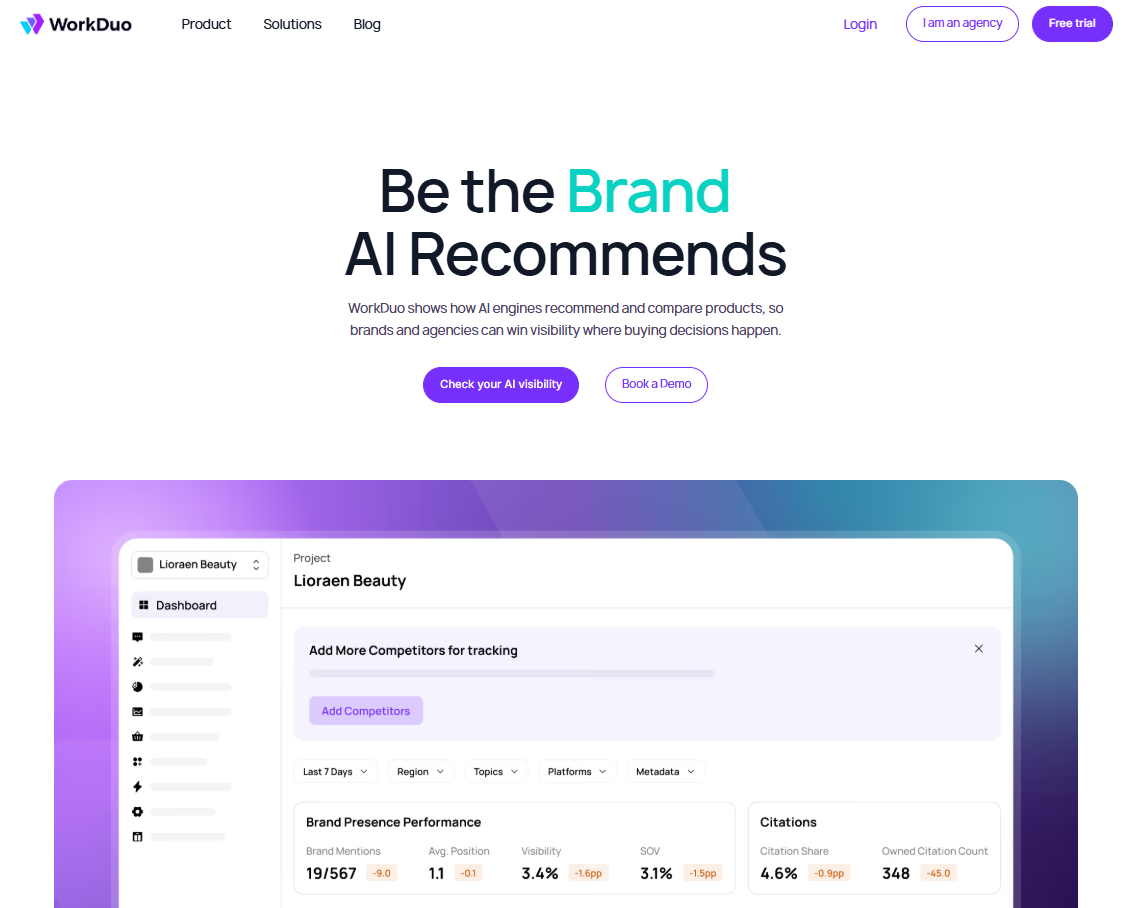
WorkDuo is an AI visibility platform for teams that want to monitor how their brand, products, and competitors appear across AI search environments without paying high flat monthly fees upfront.
Its strongest angle is that it tracks results through live browser runs, which helps reflect what users are actually seeing rather than relying only on API-based outputs.
It is especially appealing for teams that want flexible, project-based tracking, stronger usage limits for the price, and room to scale only when volume actually increases.
Key Features
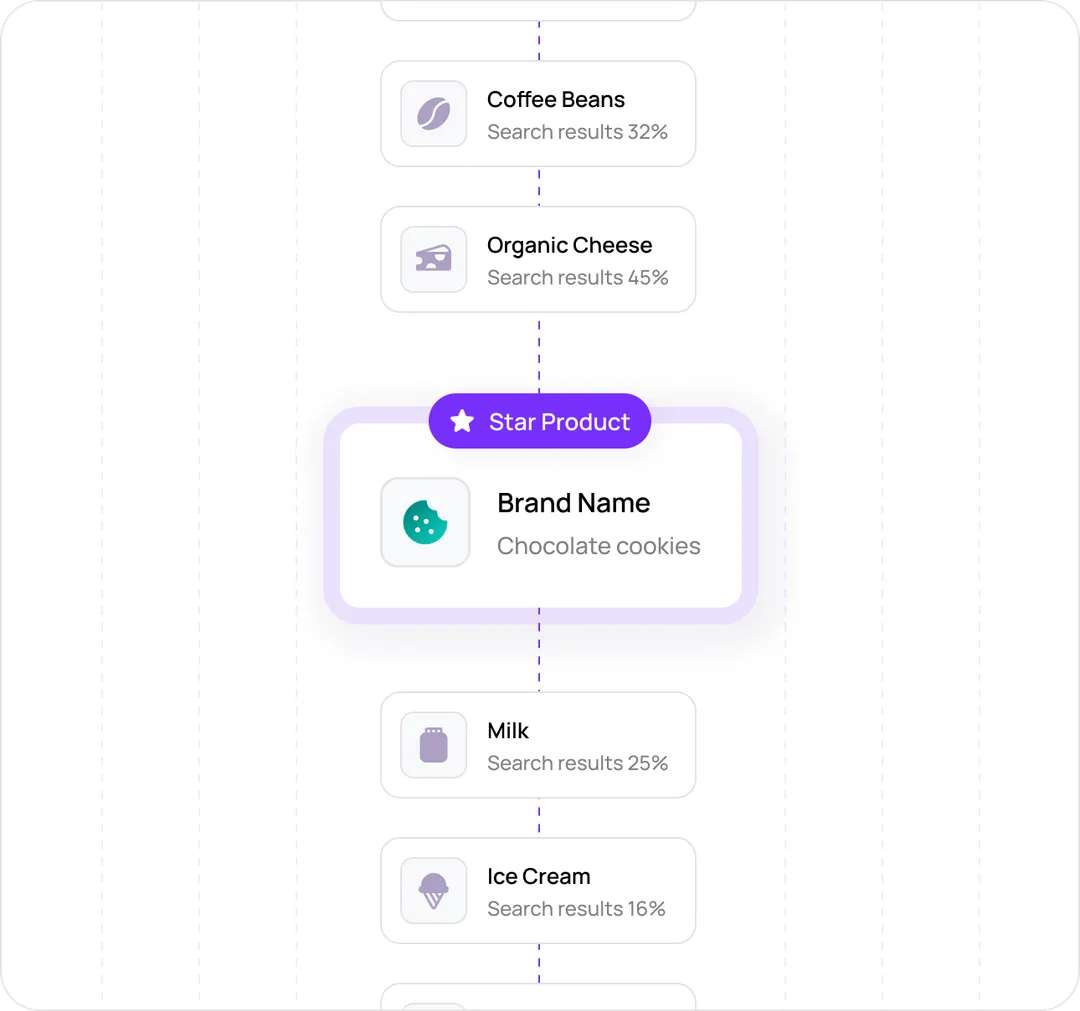
1. Product-Level AI Visibility
WorkDuo helps you see which products AI tools are recommending and which competing products appear instead, making it easier to understand visibility at the SKU, category, or offer level.
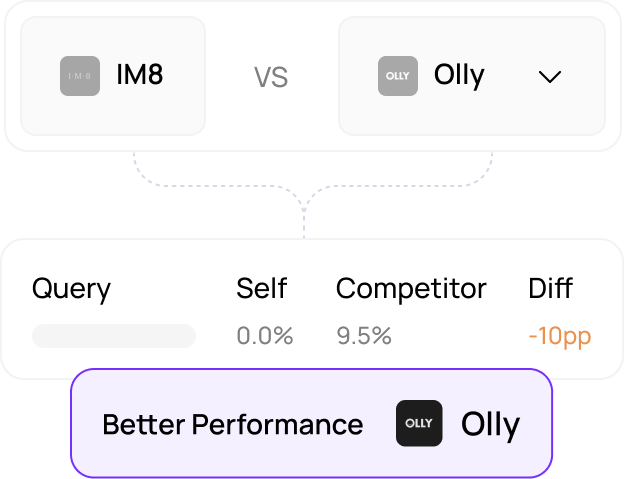
2. Competitive Context Inside AI Answers
The platform shows how your brand appears when AI compares options, so you can assess whether you are being positioned strongly against alternatives or losing ground in comparison-style answers.
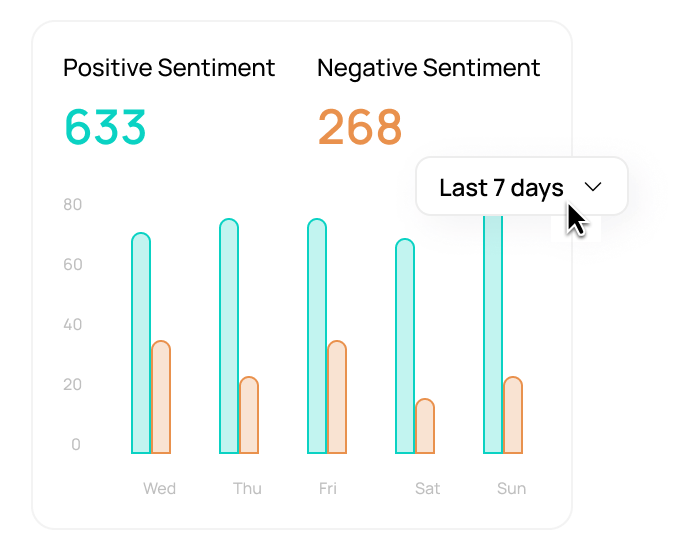
3. Source and Sentiment Intelligence
WorkDuo helps teams understand where AI-generated answers are pulling information from and how products, services, or brands are being described within those responses.
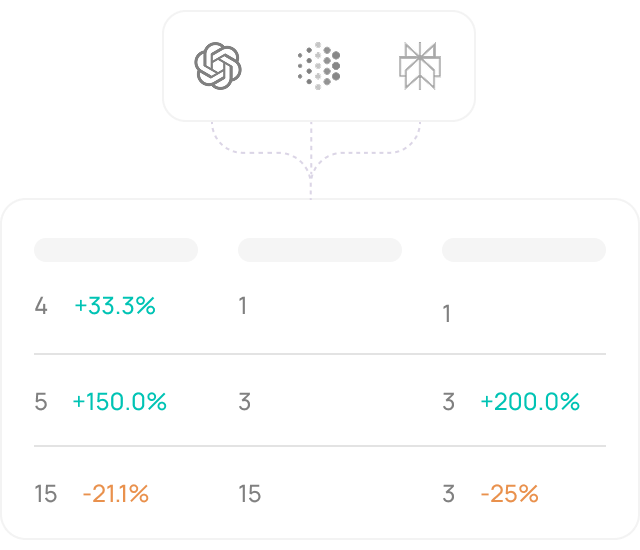
4. Multi-Engine Coverage
You can track visibility across multiple AI surfaces, like ChatGPT, Gemini, Claude, and Google AI Overviews from one place.
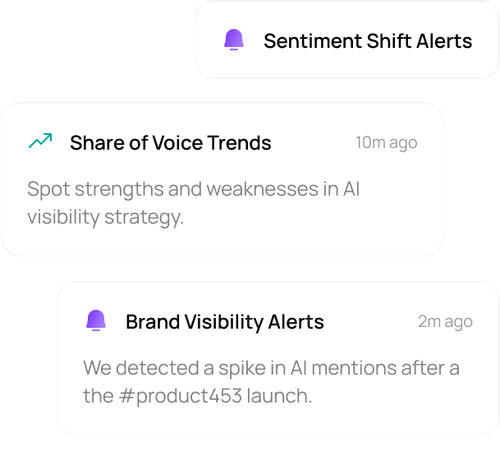
5. Alerts and Trends
WorkDuo helps you spot changes in AI recommendations over time, so teams can catch shifts before they begin affecting visibility, traffic, or revenue.
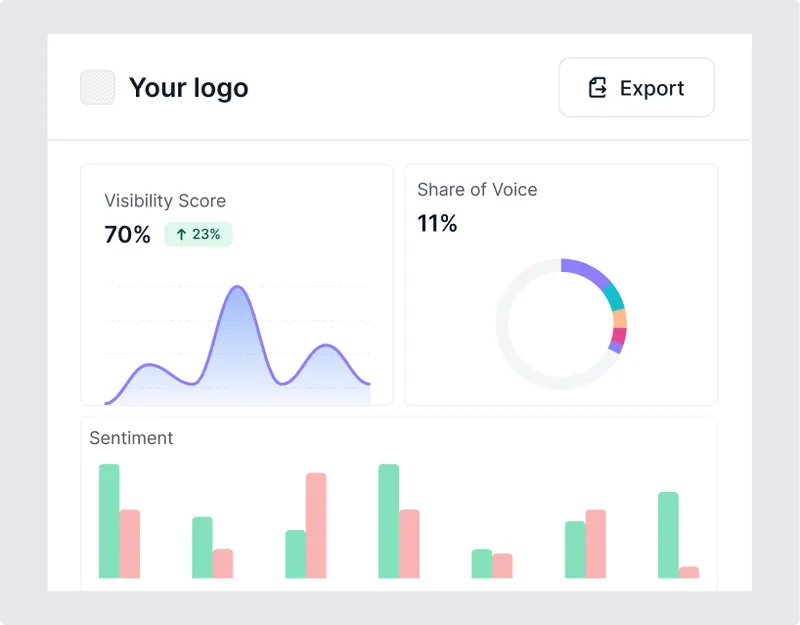
6. White-Label and API Options
WorkDuo lets teams brand the platform as their own and send data into internal dashboards, reports, or client-facing portals through API access.
7. Client & Competitor Visibility at Scale
WorkDuo makes it easier to track AI recommendations across multiple brands, competitors, or client accounts from one place.
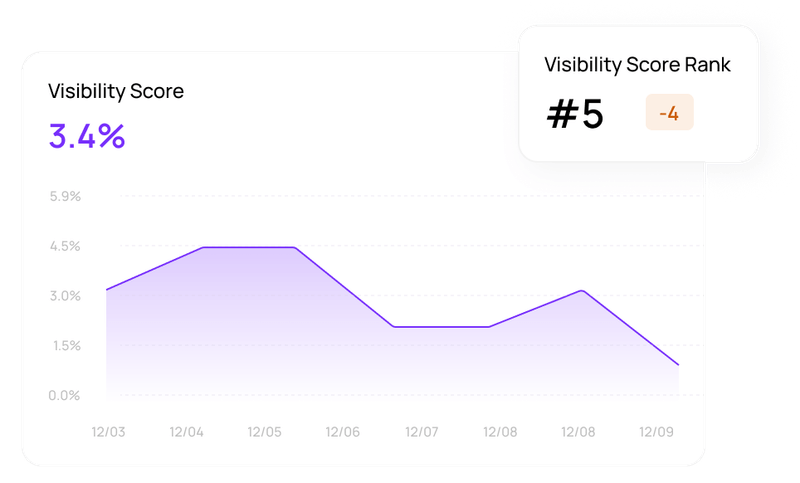
This is especially useful for agencies, multi-brand businesses, or teams that need to compare visibility trends across a wider set of products and market players without jumping between separate tools or dashboards.
Pricing
*When you opt for a yearly plan, you get an additional discount.
Where WorkDuo Shines
- Better tracking volume for the price: Compared with some alternatives, WorkDuo gives teams more AI response capacity before they hit plan limits, which makes it a stronger fit for ongoing tracking.
- Unlimited user seats: All plans include unlimited seats, so multiple stakeholders can access the platform without extra per-user costs.
- Client and competitor visibility at scale: WorkDuo works well for teams that need to monitor AI recommendations across multiple brands, competitors, or clients in one place.
- More cost-efficient for growing teams: It is a strong option for businesses that want to start with a lower-cost plan and increase spend only when they truly need more volume.
Where WorkDuo Falls Short
- It is not built for AI content generation: WorkDuo is focused on tracking and visibility, not producing AI-written content in bulk.
- It does not publish content for you: It is also not designed to automatically push copy live across websites, landing pages, or product listings.
Who WorkDuo Is Best For
- SMBs that need clarity fast: Good for smaller teams that want straightforward AI visibility tracking without building a heavy reporting setup.
- Product and e-commerce teams: Useful for tracking visibility at the product, SKU, category, or offer level.
- SEO and content agencies: A solid fit for agencies managing multiple clients and needing branded reporting with competitor context.
- Global brands: Works well for brands tracking visibility across different markets from one platform.
2. Profound: Best for Enterprise-Grade AI Search Tracking
Profound is an AI search analytics platform built for brands that want to measure and improve visibility across tools like ChatGPT, Perplexity, Gemini, Claude, Copilot, and AI Overviews.
As a better alternative than Peec AI for larger teams, it leans more heavily into enterprise-grade tracking, prompt intelligence, and workflow support for AI search.
Key Features
- Answer Engine Insights: Tracks brand mentions, citations, sentiment, and competitor visibility in AI answers.
- Prompt Volumes: Shows what people are asking AI platforms so teams can prioritize the right topics.
- Agent Analytics: Monitors AI crawler activity, referenced pages, and AI-driven traffic trends.
Pricing
Where Profound Shines
- Deeper data: Covers visibility, citations, competitors, and prompt demand in one platform.
- More enterprise-ready: Better suited to larger teams that need broader reporting and workflow support.
- Strong strategic value: Helpful for turning AI search data into content and optimization decisions.
Where Profound Falls Short
- Enterprise pricing: Less accessible for smaller teams or brands with limited budgets.
- Learning curve: Some metrics and reports can take time to understand.
- Reporting gaps: Export and customization options may feel limited for some teams.
- Can feel heavy: May be more platform than smaller teams actually need.
Customer Reviews
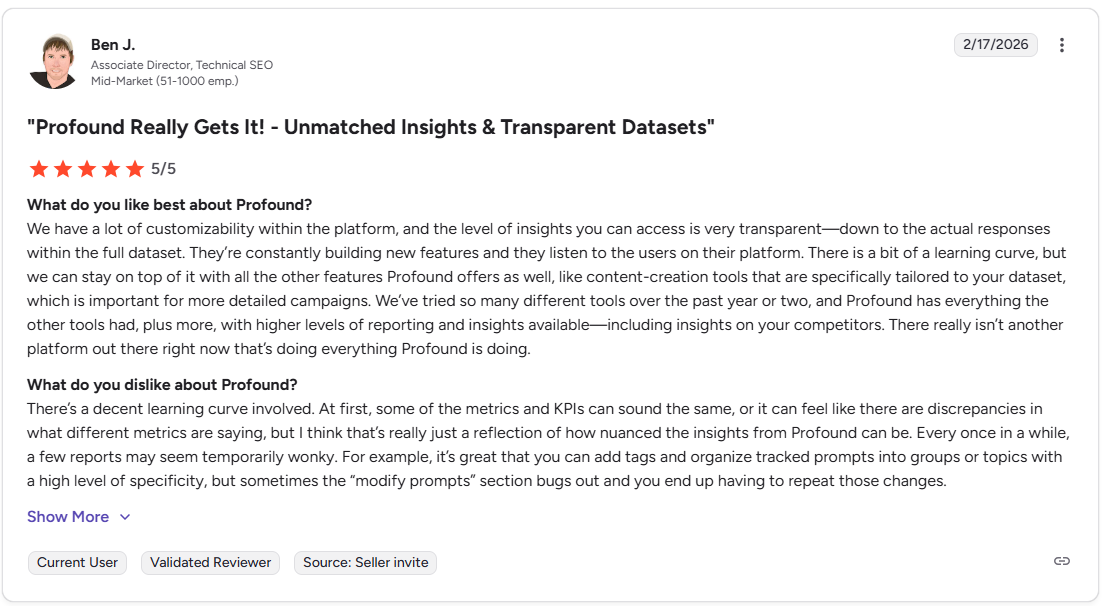
Ben J., Associate Director, Technical SEO at G2, said Profound offers strong customisability, transparent reporting down to full-response data, competitor insights and useful dataset-specific content tools, though it comes with a learning curve.
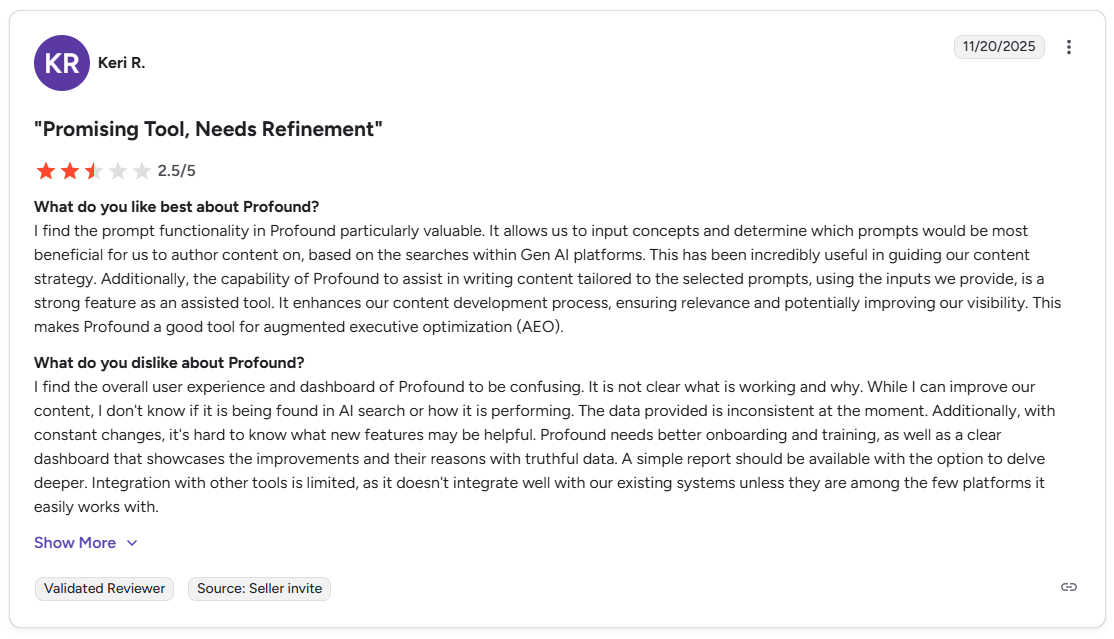
Keri R. described Profound as a promising tool with useful potential, but said its confusing dashboard, inconsistent data, limited integrations and weak onboarding make it hard to understand performance and use the platform effectively.
Who Profound Is Best For
- Enterprise marketing teams: Best for brands that need advanced AI search tracking across multiple surfaces.
- SEO, content, and PR teams: Useful for teams connecting AI visibility data to strategy and execution.
3. Promptwatch: Tracking AI Mentions, Citations, and Crawler Activity in One Place
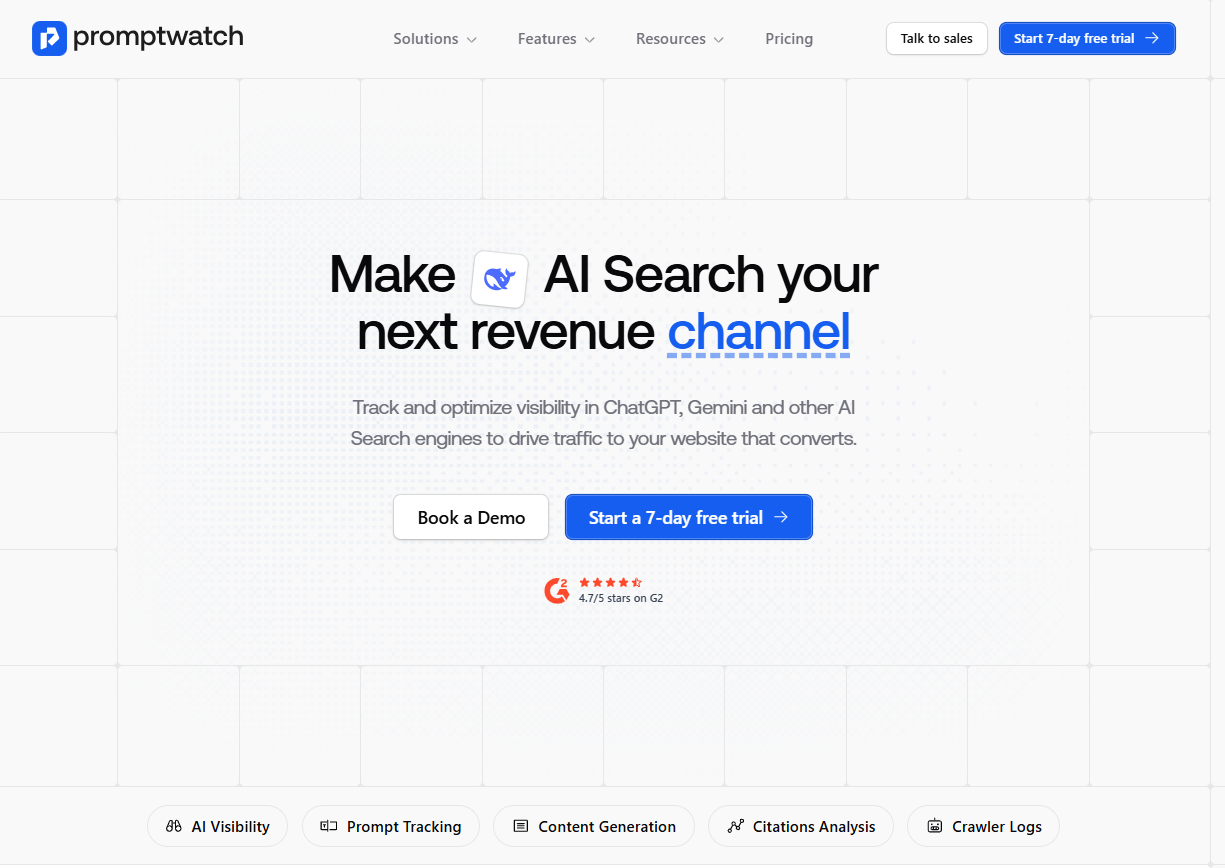
Promptwatch is an AI search visibility platform that helps brands track mentions, citations, prompts, and traffic across tools like ChatGPT, Gemini, Claude, Perplexity, Grok, and Google.
Key Features
- AI visibility tracking: Monitors brand presence across major AI search platforms.
- Citation analysis: Shows which sources and pages help drive AI mentions.
- Crawler and visitor analytics: Tracks AI bot activity and related traffic signals.
Pricing
Where Promptwatch Shines
- Broad coverage: Tracks multiple AI platforms from one dashboard.
- Useful feature mix: Combines prompts, citations, crawlers, and analytics.
- Accessible starting point: Easier for smaller teams to test and adopt.
Where Promptwatch Falls Short
- Limited entry plan: Lower tiers may feel restrictive for growing teams.
- Advanced features cost more: Deeper reporting and extras sit on higher plans.
- Daily refreshes: May not suit teams that want faster monitoring.
- Still developing: Some parts of the platform may feel less mature.
Customer Reviews
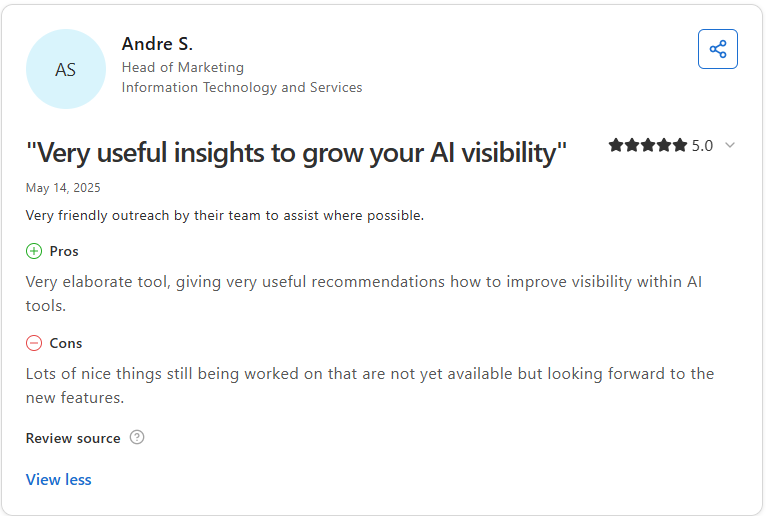
Andre S., Head of Marketing, said the platform provides detailed, useful recommendations to improve AI visibility, and highlighted the team’s friendly, helpful support.
A Reddit user said Promptwatch seems functional for basic AI monitoring, but the dated interface and more limited capabilities made it feel less competitive than other tools.

Who Promptwatch Is Best For
- Lean SEO and marketing teams: Good for teams that want focused AI visibility tracking without a heavy enterprise setup.
- Agencies and growing brands: Useful for teams that want prompt tracking, citation insights, and AI traffic signals in one tool.
4. Otterly AI: Best for Tracking Brand Mentions With a Simpler, Lower-Cost Setup
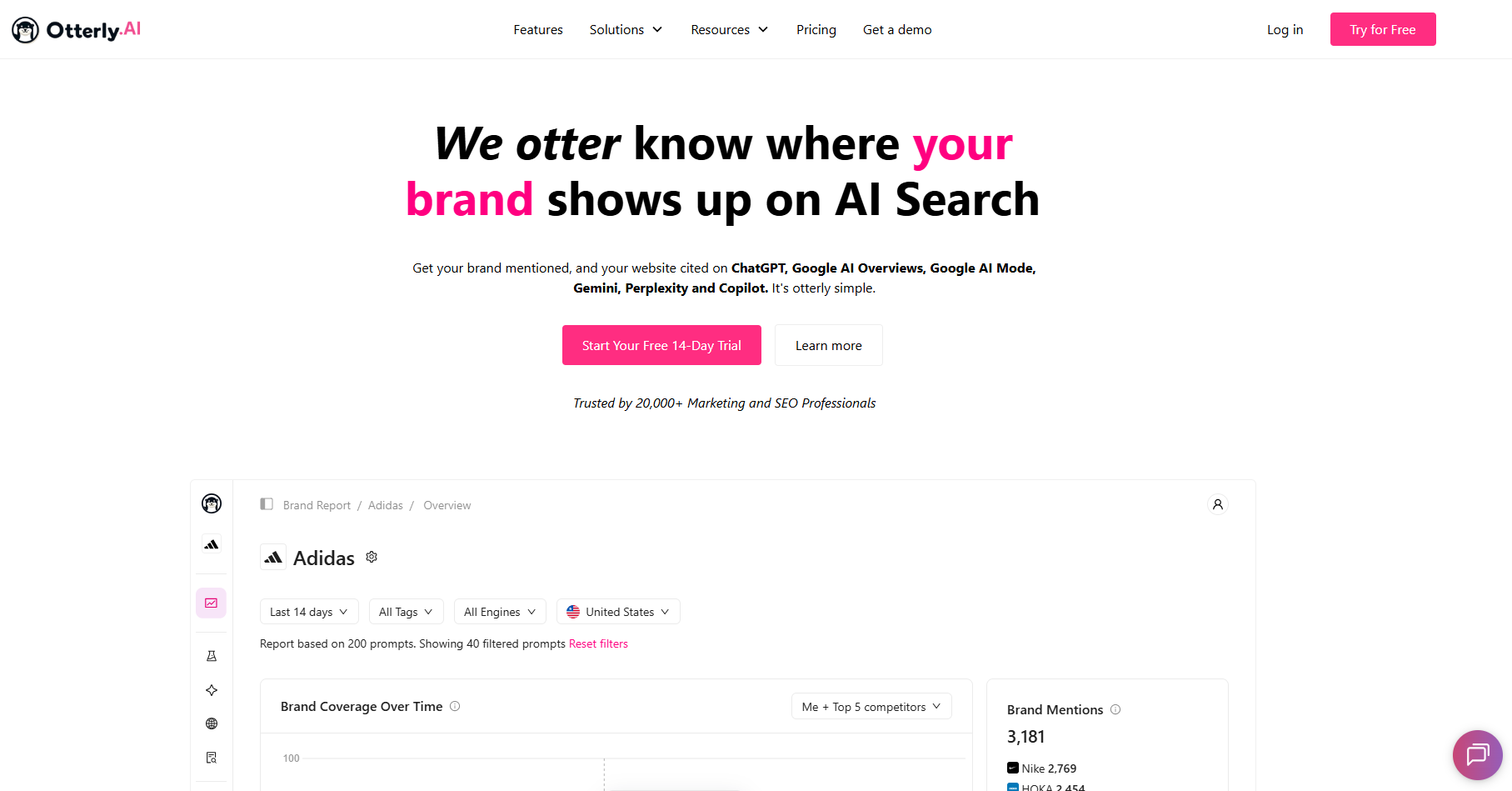
Otterly AI is an AI search monitoring platform that helps teams track brand visibility, citations, and prompt performance across major AI search surfaces.
Compared with Peec AI, it leans into a more lightweight and accessible setup, which can make it a better fit for smaller teams that still want strong visibility data without a heavier enterprise feel.
Key Features
- Prompt tracking: Monitors how your brand appears across key AI platforms.
- Citation analysis: Shows which domains and pages are being cited in AI answers.
- Visibility reporting: Tracks brand presence, rankings, and prompt-level trends over time.
Pricing
Where Otterly AI Shines
- Easy to use: Quick setup and a cleaner learning curve for smaller teams.
- Broader accessibility: Public pricing makes it easier to evaluate and test.
- Useful core coverage: Covers prompts, citations, and visibility in one platform.
Where Otterly AI Falls Short
- Lighter feature depth: May feel less advanced for enterprise reporting needs.
- Prompt limits: Lower plans can be restrictive as tracking needs grow.
- Daily tracking only: May not be enough for teams wanting faster refreshes.
- Less workflow depth: More focused on monitoring than full-scale enterprise operations.
Customer Reviews
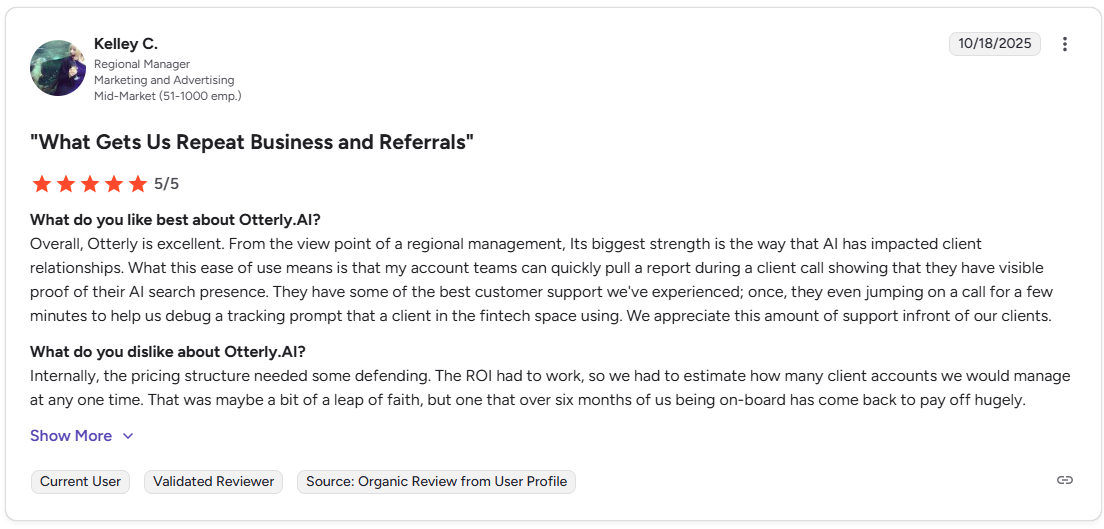
Kelley C., Regional Manager in Marketing and Advertising, said Otterly AI stands out for its ease of use, helping account teams quickly show clients proof of AI search visibility, backed by excellent and hands-on customer support.
Chris P., President, noted on G2 that the platform can be frustrating when data takes time to populate, especially under tight deadlines.

Who Otterly AI Is Best For
- Lean SEO teams: Great for teams that want focused AI visibility tracking without major complexity.
- Growing brands and agencies: A good fit for teams that need citation and mention tracking at a more approachable price point.
5. Ahrefs: Best for Connecting AI Visibility Tracking With Broader SEO Research
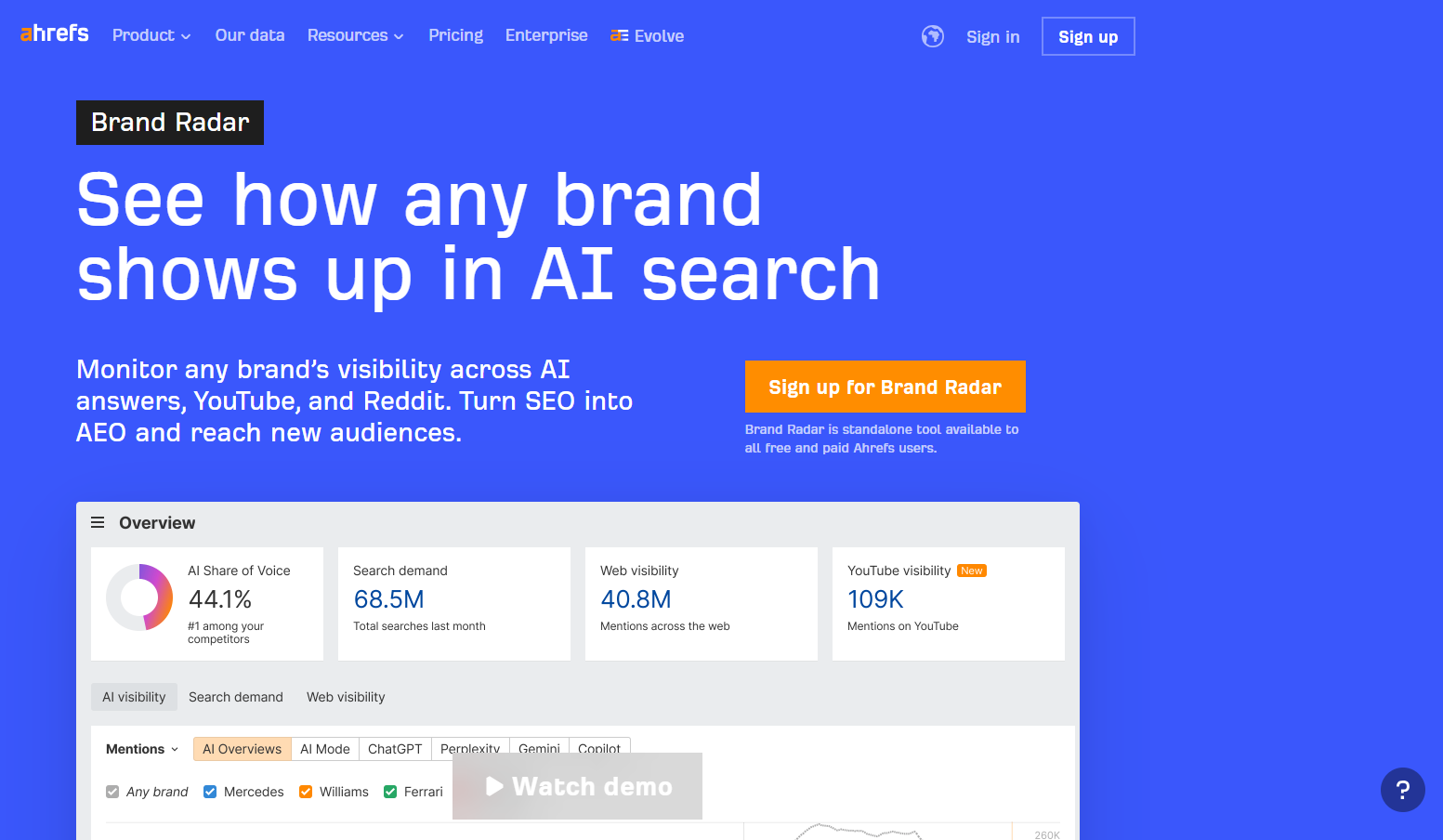
Ahrefs brings AI search analytics into a wider SEO platform, helping teams track mentions, citations, share of voice, and visibility across Google AI Overviews, AI Mode, ChatGPT, Perplexity, Gemini, and Copilot. Compared with Peec AI, it makes more sense for teams that also want search demand and web visibility insights in the same workflow.
Key Features
- AI visibility tracking: Monitors mentions, citations, and share of voice across major AI platforms.
- Search-backed prompt database: Lets you research visibility across a large prompt set built from real search behavior.
- Search demand and web visibility: Adds branded search demand and web mention context beyond AI-only tracking.
Pricing
Where Ahrefs Shines
- Broader SEO context: Combines AI visibility with search demand, web visibility, and wider Ahrefs research tools.
- Strong competitor research: Useful for comparing brands, topics, and visibility gaps over time.
- Good prompt coverage: Works from a large search-backed prompt database instead of a tiny tracked set.
Where Ahrefs Falls Short
- Pricing can stack fast: Brand Radar starts at a premium price, and custom prompt tracking costs extra.
- Less live than some rivals: Its question sets are updated monthly and use a limited reporting window.
- Broader than some teams need: It fits best when AI visibility is part of a bigger Ahrefs workflow, not a standalone lightweight tool.
- Custom prompt tracking has limits: Higher-volume tracking depends on extra check packages and added costs.
Customer Reviews
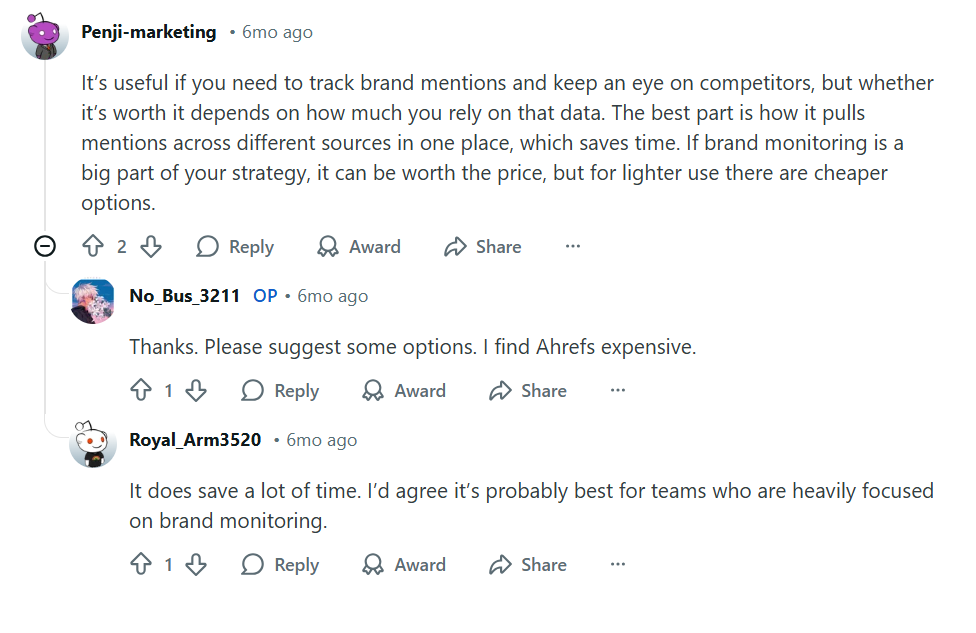
A Reddit user said Ahrefs’ Brand Radar is useful for tracking brand mentions and competitors in one place, but whether it is worth the price depends on how heavily your strategy relies on that data.
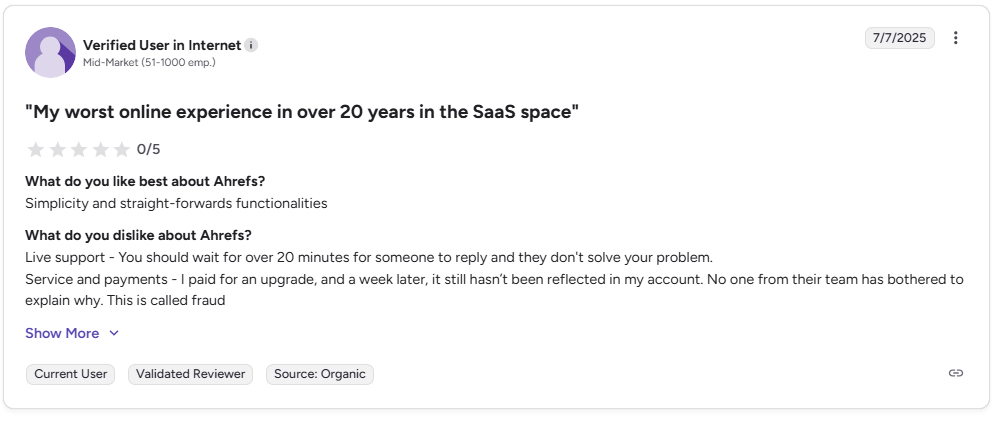
A verified G2 user said Ahrefs delivered a very poor customer experience, pointing to slow live support, unresolved account issues and frustration over a paid upgrade not being reflected properly.
Who Ahrefs Is Best For
- Existing Ahrefs users: Best for teams that want AI visibility data inside the SEO platform they already use.
- SEO and content teams: A strong fit for brands that want to connect AI mentions with search demand, topic gaps, and broader visibility research.
6. SE Ranking: Best for Tracking AI Brand Mentions and Links Alongside Traditional SEO Workflows
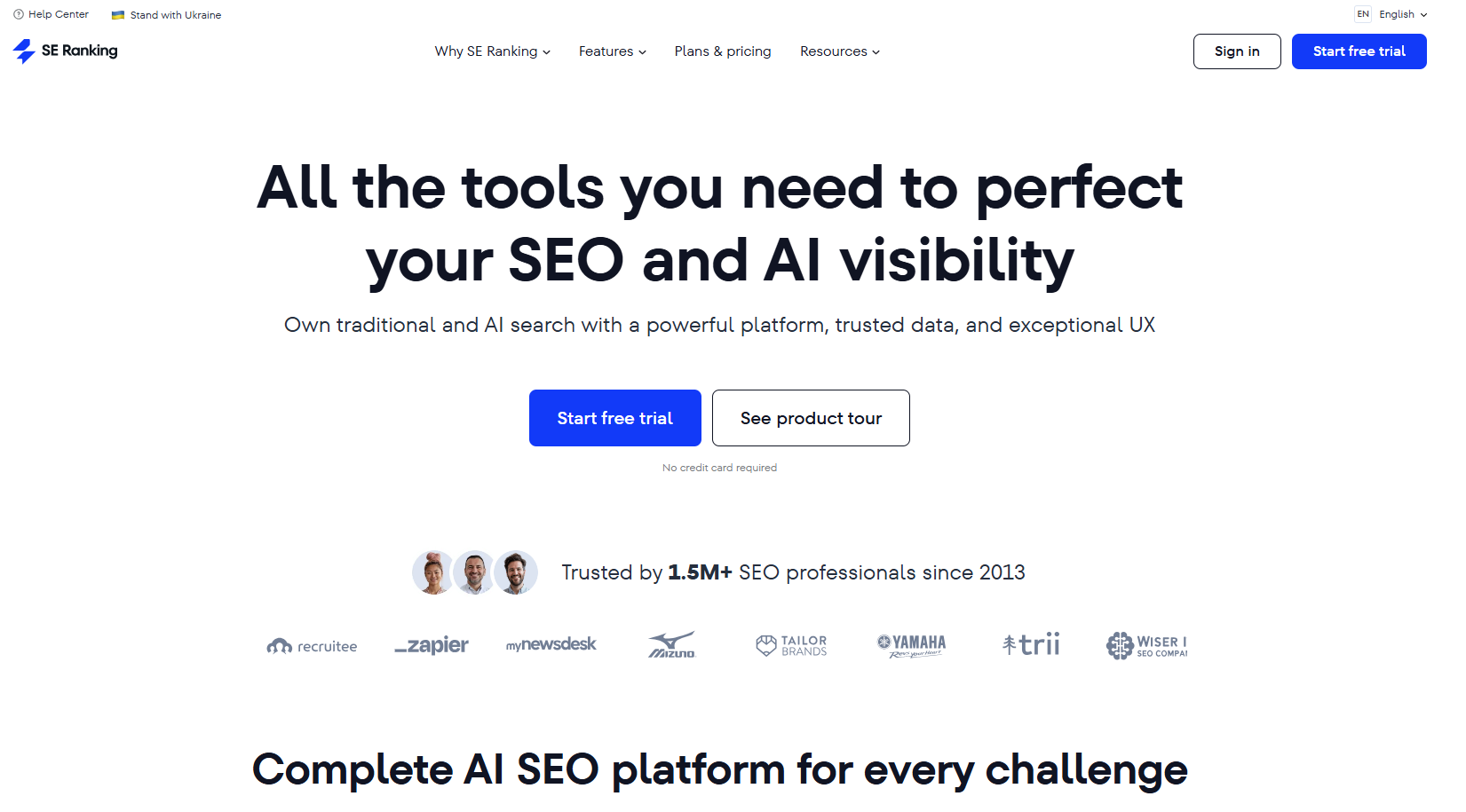
SE Ranking is a practical AI search analytics option for teams that want to monitor brand mentions, links, and competitor visibility across major AI search engines without leaving their wider SEO stack behind.
It works especially well for marketers who also care about rankings, audits, and search performance in the same platform. That makes it feel more rounded than a tool built only for AI visibility snapshots.
7. Writesonic: Best for Combining AI Visibility Tracking With Content Creation and Refresh Workflows
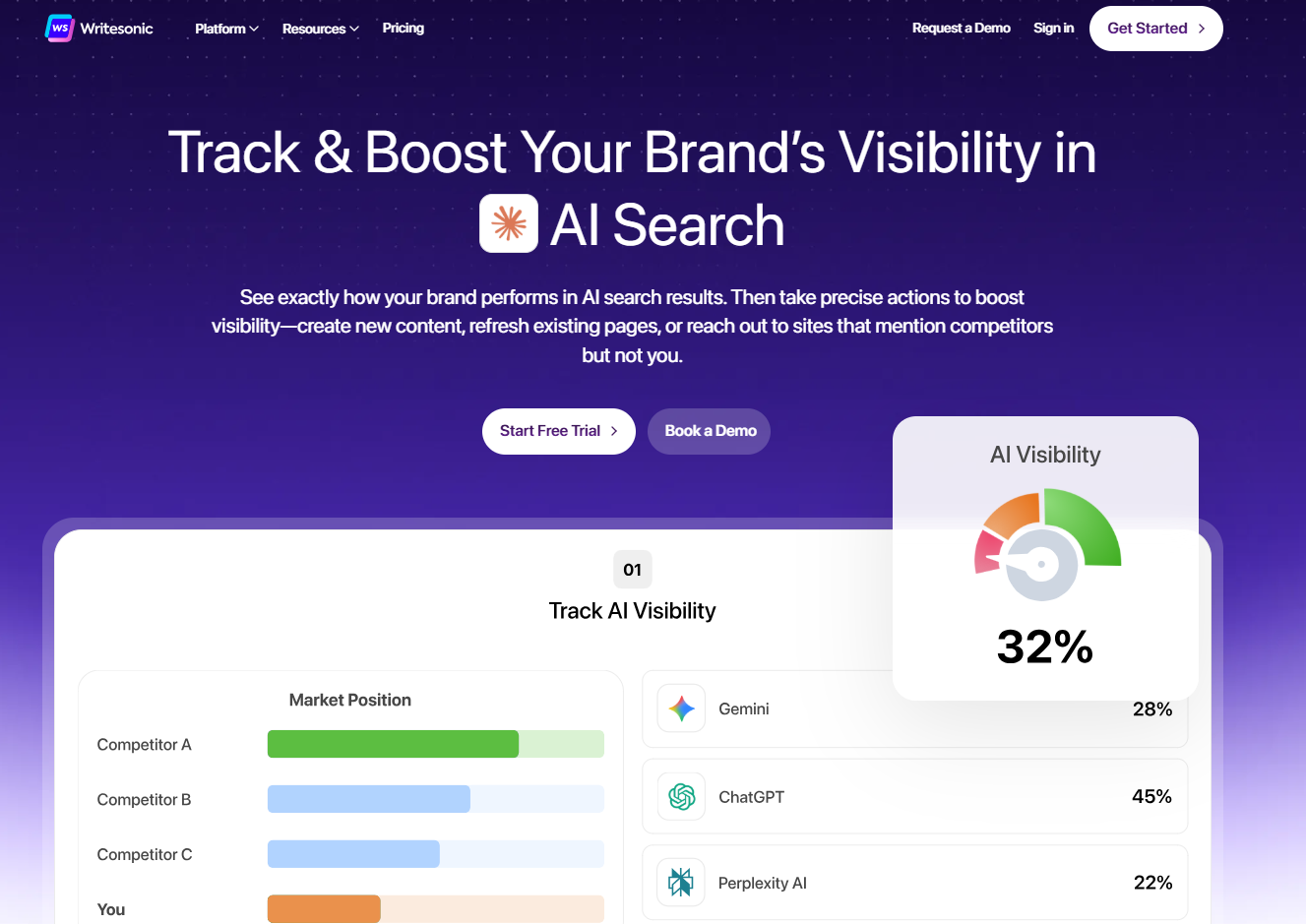
Writesonic approaches AI search analytics from a content-and-visibility angle, helping teams see where their brand appears across AI platforms while also identifying citation gaps and content opportunities.
Rather than stopping at reporting, it pushes further into action by tying visibility data to content updates and optimization. For brands trying to improve AI mentions and create pages more likely to be cited, that makes the platform stand out.
8. AthenaHQ: Best for Turning AI Search Visibility Data Into Clear AEO and GEO Optimization Actions
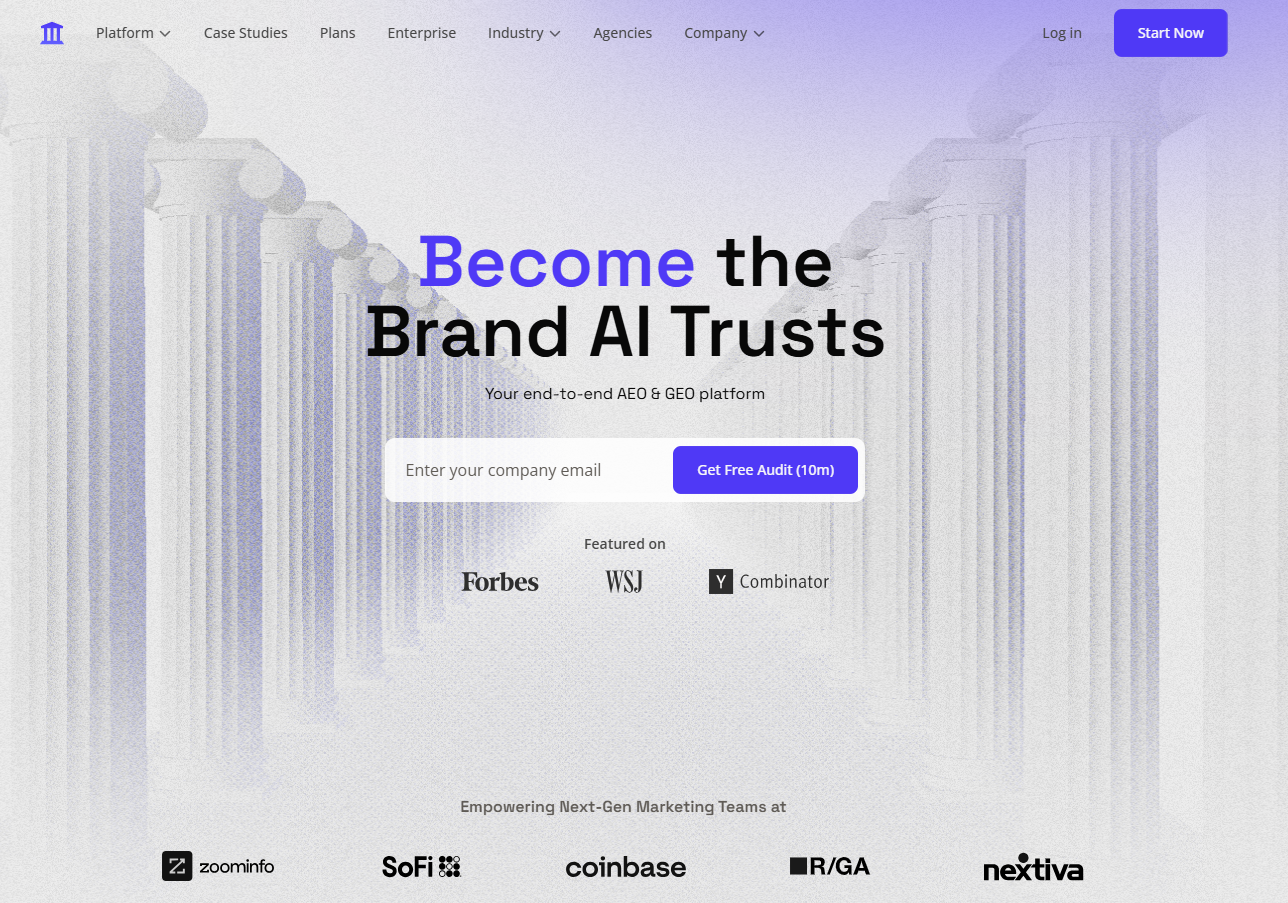
AthenaHQ positions itself as an end-to-end AEO and GEO platform for brands that want to become more visible and trusted in AI search results.
Its appeal is not just measuring mentions and citations, but connecting that data to recommendations, content improvements, and business impact.
If Peec AI feels more like a monitoring layer, AthenaHQ comes across as a more optimization-led platform built around ongoing AI search growth.
9. Scrunch: Best for Monitoring AI Search Presence With Real-Time Crawler and Traffic Insights
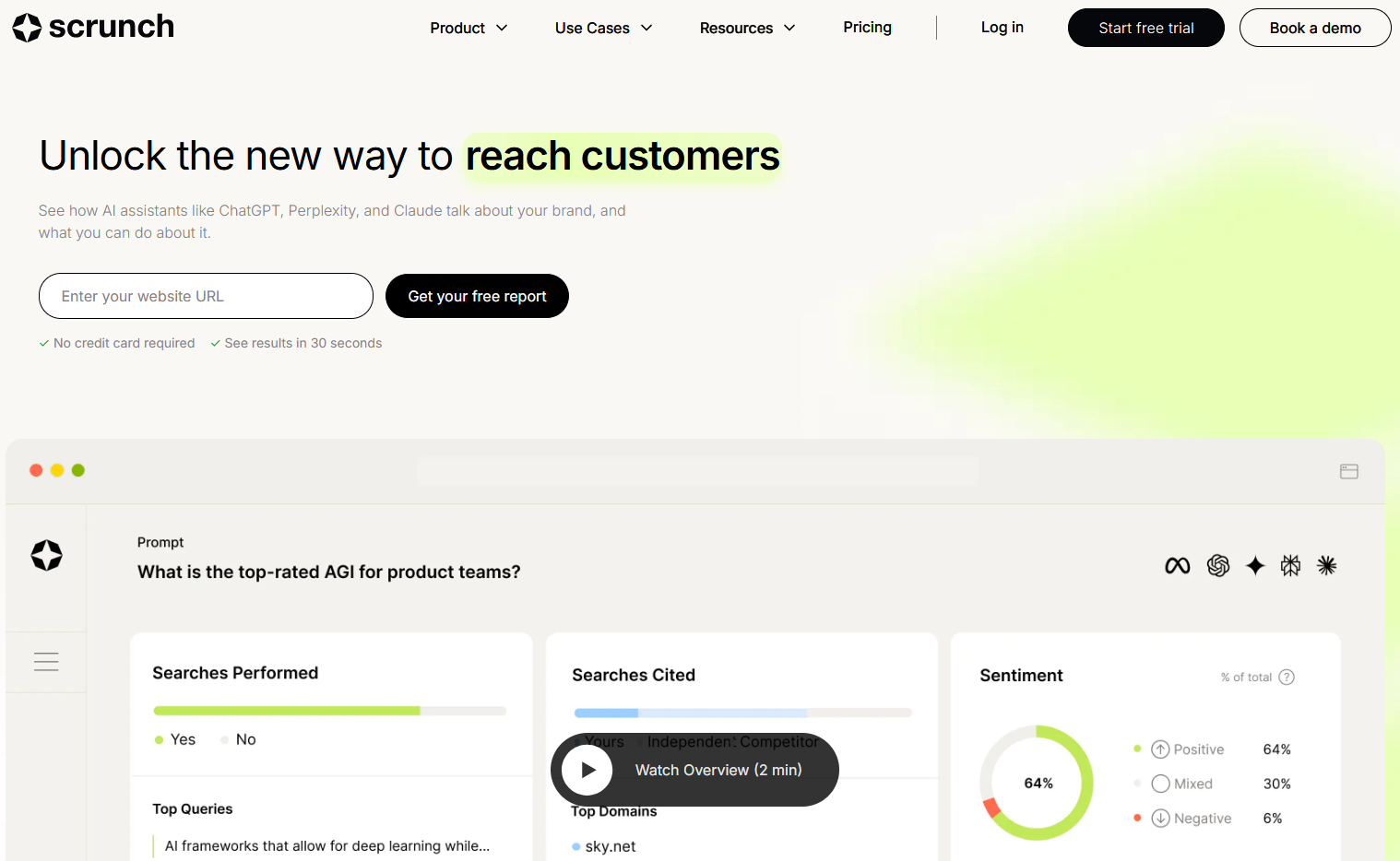
Scrunch is built for teams that want a closer read on how their brand performs across AI systems, with prompt monitoring, citation tracking, competitor analysis, and AI bot activity all in one place.
One of its strongest angles is that it also shows how AI agents are crawling your site and where traffic patterns are changing. That gives it a more technical and operational feel than tools focused mainly on dashboards.
10. Semrush: Best for Finding AI Visibility Gaps and Connecting Them To Broader Search
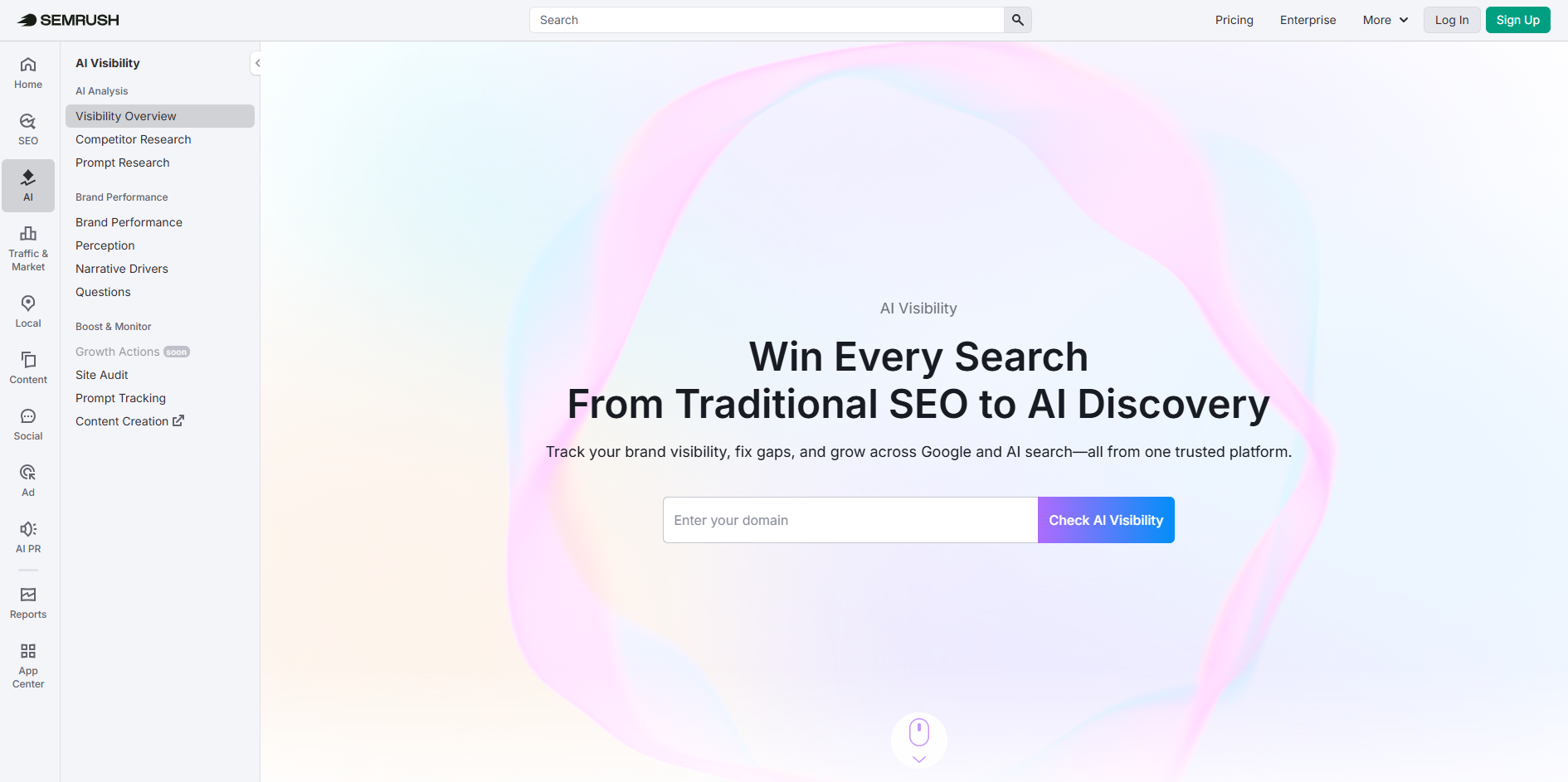
Semrush takes AI search analytics and folds it into a much bigger search marketing ecosystem, which makes it appealing for teams already living inside its platform.
Through its AI Visibility Toolkit, brands can track mentions, citations, prompts, perception, and competitor gaps while connecting those findings to wider SEO and content strategy.
It is a natural fit for marketers who want AI visibility data to inform the rest of their search work, not sit separately.
11. BrightEdge: Best for Enterprise AI Search Visibility Analysis Backed By Large-Scale Search and Citation Data
BrightEdge brings AI search analytics into an enterprise SEO environment, with a strong emphasis on large-scale visibility analysis, citation behavior, and search trend intelligence.
Its positioning feels especially suited to bigger brands that want to understand how AI platforms surface content across industries, intents, and query types. Compared with lighter standalone tools, BrightEdge feels more like a high-end intelligence layer for teams managing AI visibility at scale.
How to Choose an Alternative to Peec AI
Here are the main factors to compare when choosing an alternative to Peec AI, especially if you want a better fit on pricing, flexibility, workflow support, and scale.
1. Compare Price Against Usable Volume
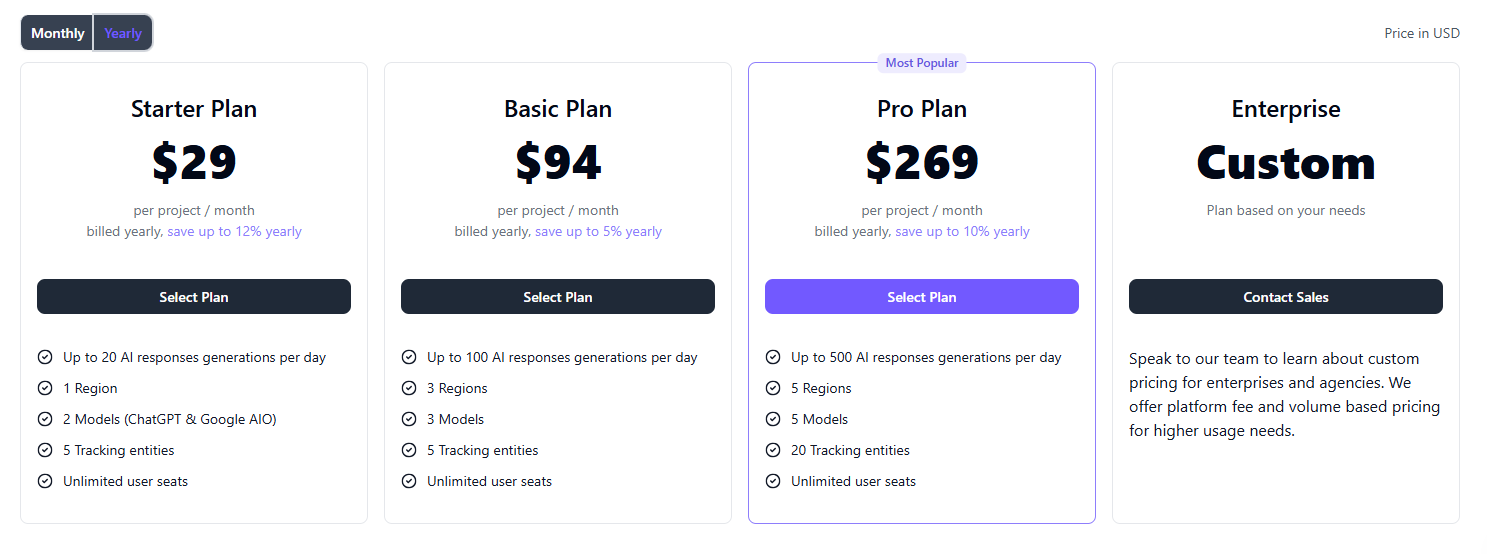
Do not look at the monthly cost alone. Compare how much tracking, model access, and response volume you actually get for that price.
A lower entry point can go further if it gives you more day-to-day monitoring capacity, which is where WorkDuo can feel like a more practical value pick.
2. Check Whether the Entry Plan Is Realistic for Small Teams
Some tools look affordable at first, but the starting tier may still feel limiting once you begin tracking seriously.
If you want to test AI visibility without a big upfront commitment, an entry plan like WorkDuo’s lower-cost project pricing is easier for smaller teams to try.
Reading a detailed Peec AI review can help you determine if its limitations justify looking toward more scalable options.
3. Prioritize Workflow Fit, Not Just Visibility Tracking
The best alternative should fit into the tools your team already uses. Look for support for platforms and data sources such as Shopify, WooCommerce, Google Analytics, and Google Search Console, so insights are easier to connect back to real performance.
4. Review Regional and Market Coverage Carefully
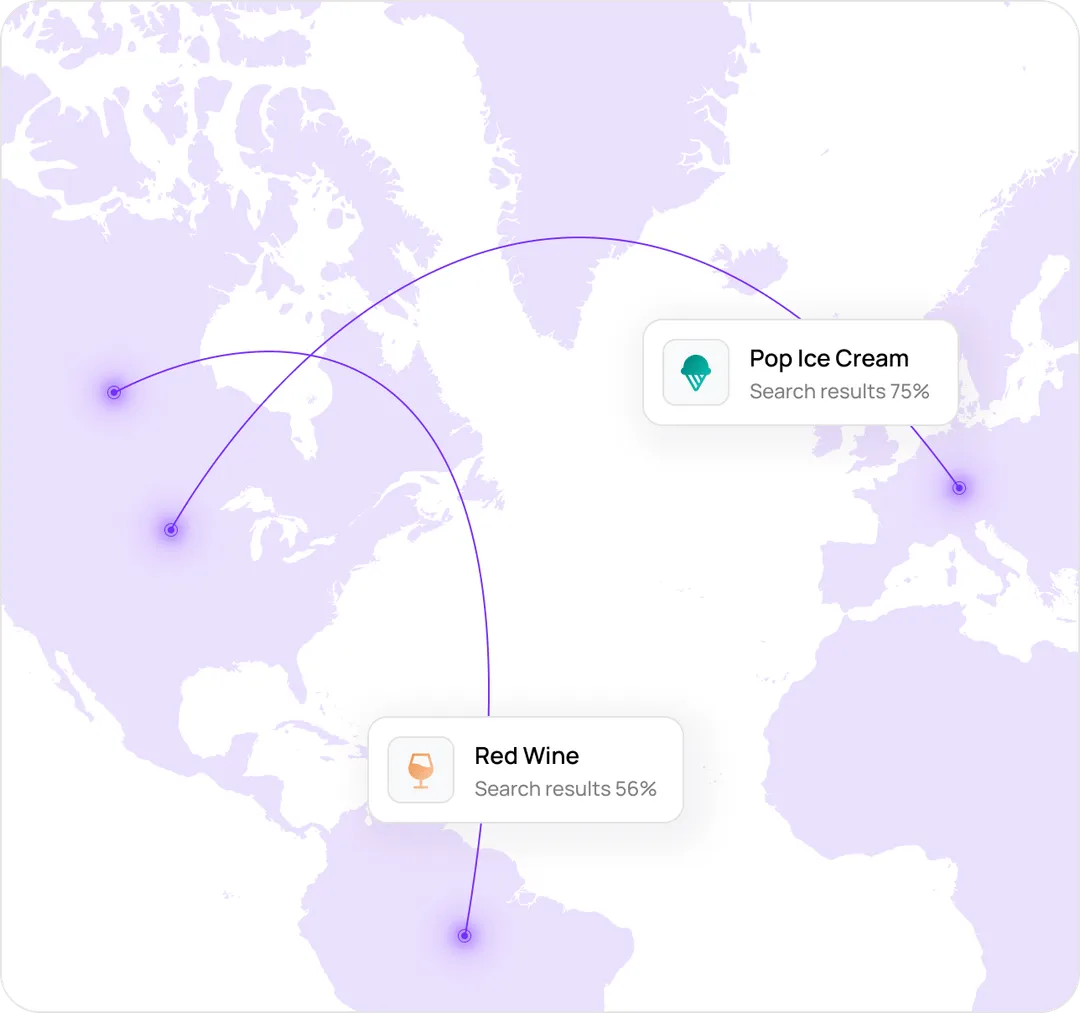
AI results can vary by country, region, and language, so market coverage matters. Check what is included in each plan and whether multi-region tracking becomes expensive too quickly.
That is another area where WorkDuo may suit teams that need broader visibility without jumping straight to a premium tier.
5. Make Sure It Can Support Agency Use Cases
If you run multiple brands or clients, look for flexible projects, APIs, white-label options, and custom tracking controls. Those features make reporting easier to scale, and they are part of why WorkDuo can appeal to agencies as well as in-house teams.
Track, Compare, and Improve Your AI Visibility With WorkDuo
WorkDuo gives teams a practical way to track AI visibility, compare competitors, and act on changes in brand, product, and citation presence with more confidence.
Its flexible pricing, multi-engine coverage, and scalable setup make it a strong fit for brands that want useful insight without committing to high enterprise costs too early.
Start your free trial and see how WorkDuo can help you measure, benchmark, and improve your AI visibility more effectively.
Fiona is the Co‑Founder of WorkDuo AI, where she helps brands optimize their AI search visibility. Previously, she co‑founded SHOPLINE, a smart commerce platform in Asia, and led its successful exit to a NASDAQ‑listed company in 2022. With deep expertise in scaling tech businesses and working with global investors, Fiona now advises startups on growth and data-driven decision-making, while leading WorkDuo’s mission to improve how brands are represented in AI-driven search.

Ready to try our product?
Sign up for a free consultation with our experts.


Follow Us on Social Media
Follow our profiles for daily updates, behind-the-scenes content, and more.


More articles