What is GEO? 2026 Guide to Generative Engine Optimization
.png)
- What GEO is: Optimizing content so AI tools (ChatGPT, Google AI Overviews, Perplexity) can understand, trust, cite, and recommend your brand inside AI answers.
- Why it matters: AI search is becoming the default discovery channel. Clicks drop, but influence rises, so winning means mentions and citations, not just blue-link rankings.
- How generative engines pick brands: They favor sources that match intent, appear on trusted surfaces (Reddit, YouTube, G2/Capterra, listicles), and are easy to extract (clear structure plus proof).
- How to run and measure GEO: Track a fixed prompt set for visibility, position, share of voice, citation quality, and sentiment, then iterate monthly using insights using a tool like WorkDuo to track AI visibility over time.
Right now, your brand is being judged twice: once by search engines and again by generative engines. Traditional SEO helps with the first. Generative Engine Optimization (GEO) helps with the second, making it easier for AI systems to understand your content, pick it as a source, and feature it in answers. Ignore GEO, and you give that stage to someone else.
This ultimate guide explains what GEO is, why it matters, and how it differs from SEO in practice. You will learn how to build a GEO strategy, measure results, choose the right tools, apply GEO best practices, avoid common errors, and prepare for where Generative Engine Optimization is heading next.
What Is Generative Engine Optimization (GEO)?
Generative Engine Optimization (GEO) is the practice of shaping your content so that AI systems (such as ChatGPT, Google AI Overviews, and Perplexity) can understand, trust, and cite it when generating answers. The goal is to increase how often your brand appears in AI responses, citations, and recommendations for your target topics.

A Perplexity AI result for “best winter jackets,” listing cited sources.
Why Generative Engine Optimization Matters in 2026 and Beyond
GEO matters in 2026 because:
1. AI Search Is Now a Core Discovery Channel
GEO matters because AI-powered search is no longer experimental. ChatGPT has reached 700 million weekly active users, while Google says AI Overviews now has more than 2 billion monthly users across 200+ countries and territories.
If a brand is not present in those answers, it can miss visibility at the exact moment people research options. Many brands now use specific frameworks to boost ecom sales with Generative AI by ensuring their product data is optimized for these new discovery channels.
2. Influence Grows Even When Clicks Fall
AI tools increasingly answer the question before a visit happens. That shifts the win from only earning blue-link clicks to being mentioned, cited, and framed well inside the answer itself.
Monitoring AI visibility is essential because influence can occur before any session appears in analytics.
3. GEO Is Not the Same as Traditional SEO
Traditional SEO focuses on ranking webpages. GEO is broader because AI systems pull from multiple source types, and different engines can cite different places for the same prompt.
That means there is no single fixed ranking to rely on.
4. Visibility Is Now Multi-Surface and Multi-Model
The modern SERP is fragmented. AI answers are influenced by forums, videos, reviews, listicles, and websites, so winning visibility now means showing up across multiple surfaces. AI search results also vary by engine and model, which makes multi-model tracking more important.
5. AI Discovery Can Drive More Qualified Demand
When people find a brand through an AI-driven search, they often arrive after getting their initial questions answered.
That can lead to warmer, more informed traffic, as users have already narrowed their options before they click through.
This is an inference from how AI Overviews and AI search are designed to answer and refine research upfront.
How Generative Engine Optimization Differs From Traditional SEO
Here’s a quick side-by-side table showing how GEO differs from traditional SEO.
How Generative Engines Choose Which Brands to Mention
Generative engines mention brands when they can confidently justify the recommendation from the sources they retrieve and summarize.
In practice, that usually comes down to:
- Relevance to the prompt’s intent: “Best tool” prompts favor comparison/review/listicle-style sources; “how-to” prompts favor guides, docs, and tutorials.
- Presence in the sources they already trust and pull from: Brands get mentioned more when they show up on Reddit threads, YouTube transcripts, review sites like G2/Capterra, and broadly-cited reference pages like Wikipedia.
- How easy your content is to extract: Clear H2/H3s, short sections, bullets/tables, and FAQs reduce ambiguity.
- Strength of evidence: Specific features, use cases, screenshots, pricing context, and credible quotes beat vague claims.
- Freshness where it matters: For fast-changing topics (pricing, integrations, capabilities), AI-driven search engines tend to prioritize sources that appear current.
- Entity clarity: Consistent brand naming and a clear “what it is/who it’s for” summary reduce misattribution.
How to Build a Generative Engine Optimization Strategy
Here’s a repeatable GEO strategy you can run as a cycle.
Step 1: Baseline Your Current GEO Visibility
Start by listing the prompts that matter most (brand, features, use cases, “best,” “vs,” “alternatives,” “pricing”).
Then run a sample of them in the AI engines your buyers use and capture a baseline for each prompt:
- Do you show up at all?
- How are you described in 1-2 sentences?
- Which competitors show up instead?
- Which sources/domains are cited or clearly shaping the answer?
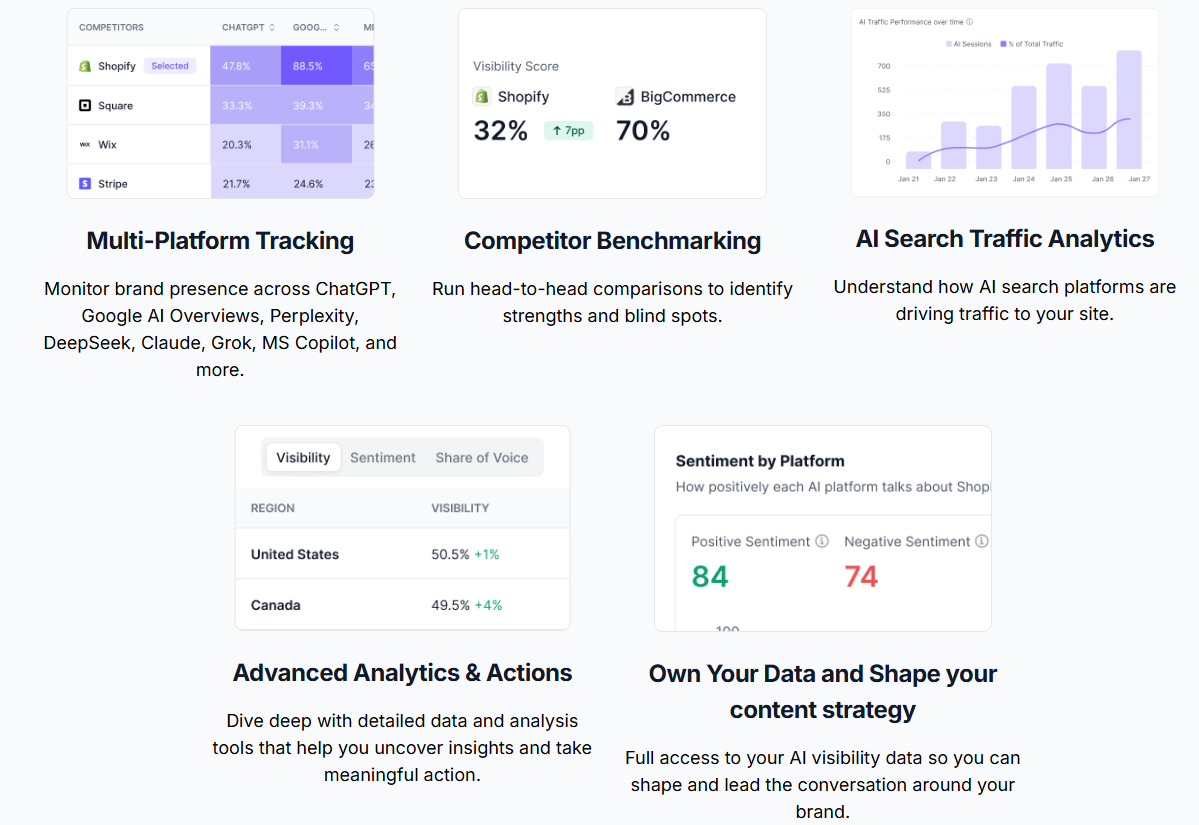
If you need full visibility at scale, an AI search tool like WorkDuo can track visibility/mention rate, share of voice, sentiment, citation quality, and competitor benchmarking across your prompt set over time.
Step 2: Make a List of Your Highest-LTV Customers
This step matters in a GEO strategy because a clear ideal customer profile (ICP) helps you prioritize the prompts, comparisons, and use cases most likely to influence revenue, not just traffic.
Ask Sales and Customer Success which segments have the highest ACV and strongest retention, then validate that with data from closed-won deals over the last 12 to 18 months.
Define segments by industry/vertical or specific use cases (e.g., multi-channel outreach vs simple cold email).
Your GEO strategy should be built around what these best-fit customers search for.
Step 3: Map Content Types to Each Stage of the Buyer Journey
Ask: where does your ICP actually consume information at each stage?
- Top-funnel (problem-aware): YouTube tutorials and walkthroughs that teach the job-to-be-done.
- Bottom-funnel (ready to buy): Reddit threads and “best tool” discussions where people compare options and want blunt trade-offs.
Step 4: Reverse-Engineer ICP Keywords and Turn Them into Prompts
List core terms across the journey, then convert them into natural prompts (AI prompts still anchor to “core keywords”). Build prompt clusters like:
- Product (“best [category] tool”)
- Industry (“best [category] for agencies/enterprise”)
- Jobs-to-be-done (“how to do X”)
- Feature/use case (“how to do X with Y feature”)
- Vs/alternatives (“A vs B,” “A alternatives”)
- Review/pricing (“is A worth it,” “A pricing”)
Step 5: Identify Which Sources LLMs Trust for Those Prompts
For your top 20-30 prompts, note what sources get cited (forums, videos, review sites, listicles, docs). Then turn it into a simple operating model your team can execute:
- Keyword/prompt → sources cited → action required
Example: “cold email software” → a sales subreddit thread + a review video + a comparison post → engage in the thread, publish the video, build/refresh the comparison page.
Step 6: Build Assets for Those Sources and Make Your Site “Extractable”
Execute on the channel mix you discovered, and make sure your on-site content is easy for AI to lift cleanly:
- Clear H2/H3s
- Short sections
- Bullets/tables
- FAQs
- Key takeaways up top
- Proof (examples, screenshots, credible references).
Step 7: Monitor LLM Visibility and Brand Sentiment
Re-run the same prompt set weekly/monthly and track movement:
- Are you showing up more, being positioned accurately, and displacing competitors?
Use the results to decide what to fix next: the page, the source surface, or the narrative AI is repeating.
Measuring Generative Engine Optimization Success
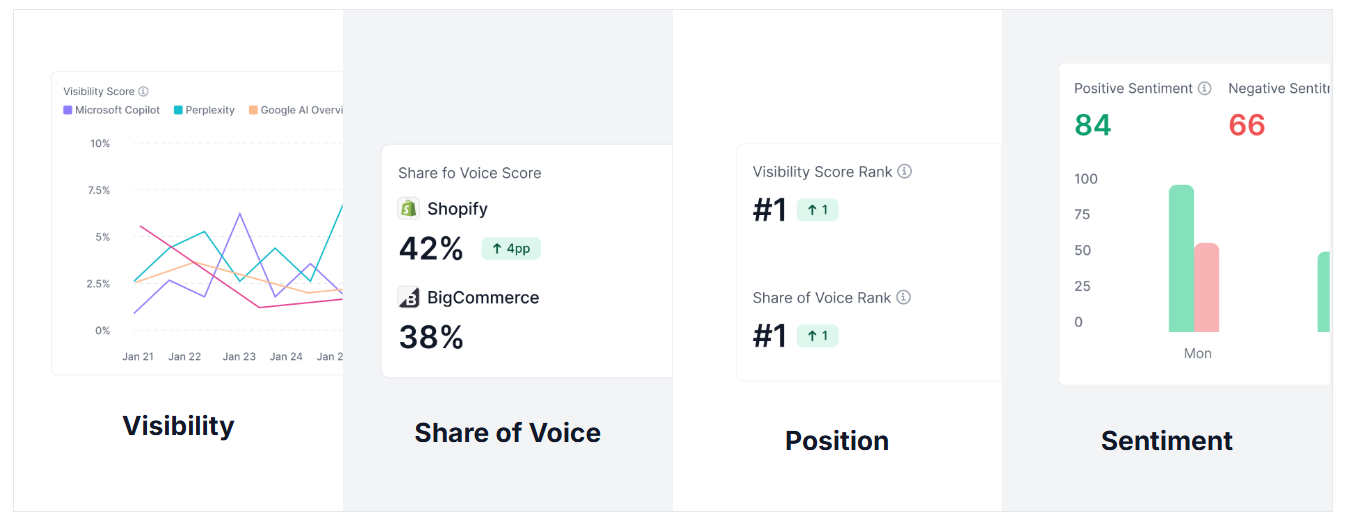
Unlike SEO, GEO success is evaluated by presence and positioning in AI-generated answers, not clicks or rankings.
1. Define Your GEO Prompt Set
Pick 20-50 prompts tied to revenue (best tools, comparisons, alternatives, pricing, key use cases). Keep them consistent so you can measure change over time.
2. Track Visibility
For each prompt, record whether you appear, who replaces you, and how you’re described in 1-2 sentences. Then measure:
- Mention rate: Prompts where you appear ÷ total prompts
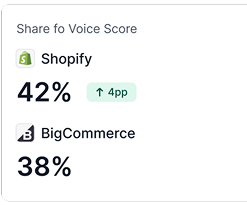
- Share of voice: Your mentions/citations vs competitors
- Citation quality: How accurately and authoritatively you’re framed (score 1-5)
- Sentiment: Positive/neutral/negative positioning
3. Connect GEO to Outcomes
Add “AI chat/AI search” to “How did you hear about us?” and monitor AI-referred traffic and conversions in GA4.
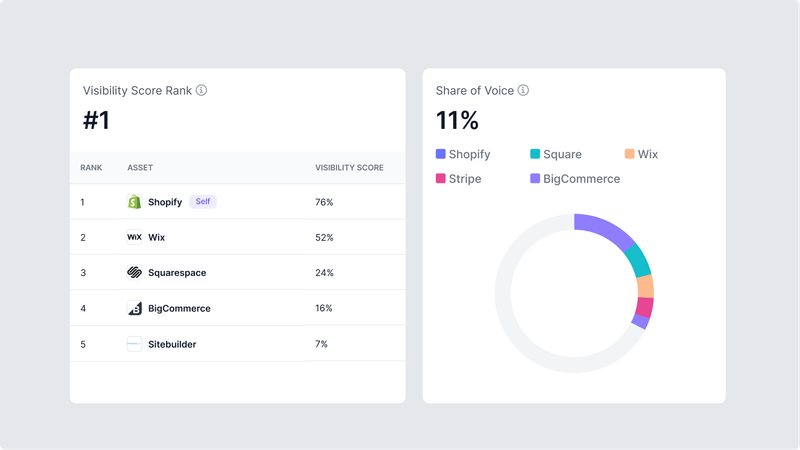
If you need this at scale, a data intelligence and analytics platform for AI search, like WorkDuo, can track visibility, share of voice, sentiment, and citation patterns across prompts over time.
Tools and Software for Generative Engine Optimization
Here are a few trusted tools to support GEO right now.
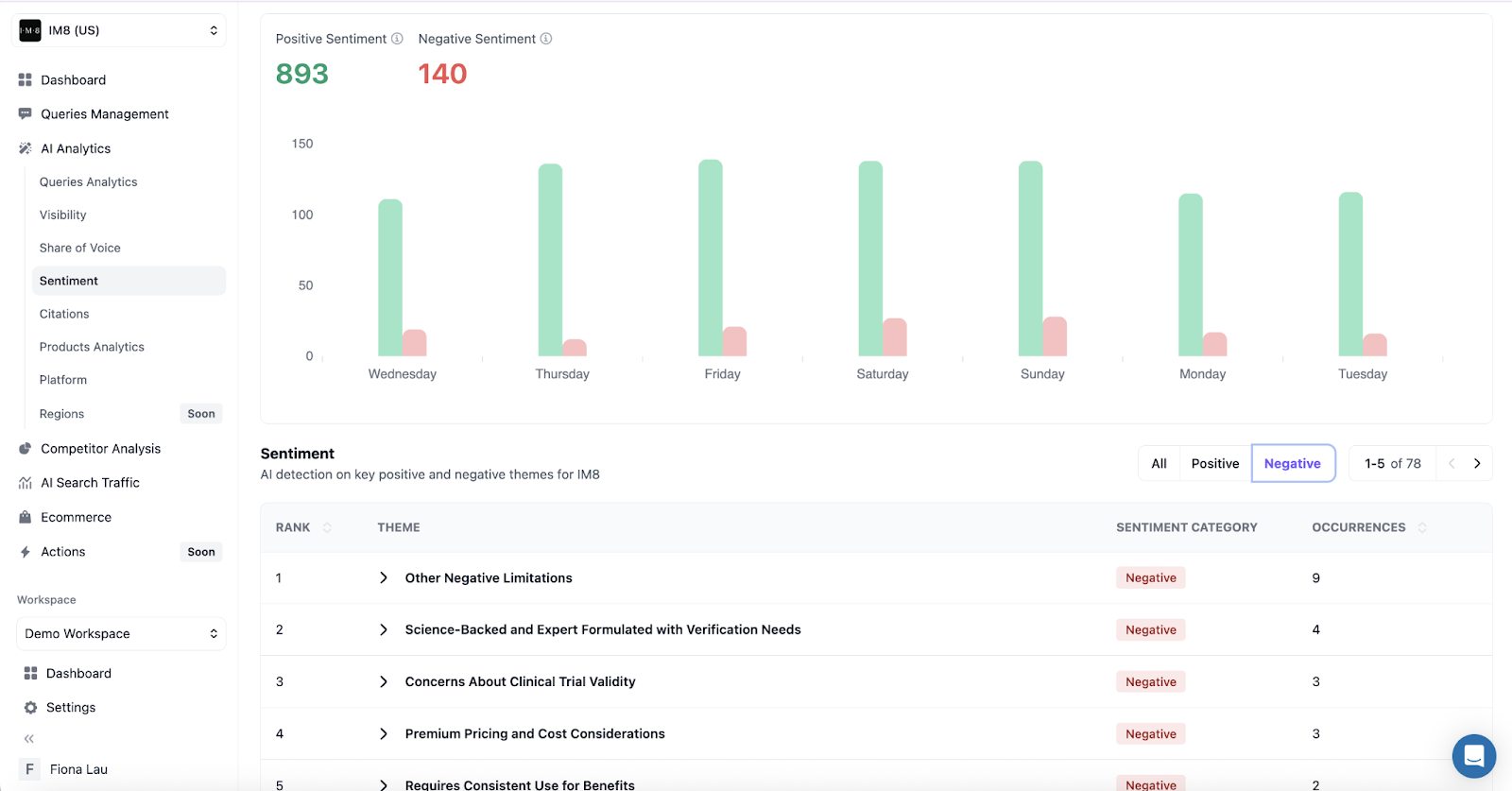
1. WorkDuo: Best for Scalable, Multi-Model AI Visibility Insights You Can Act On
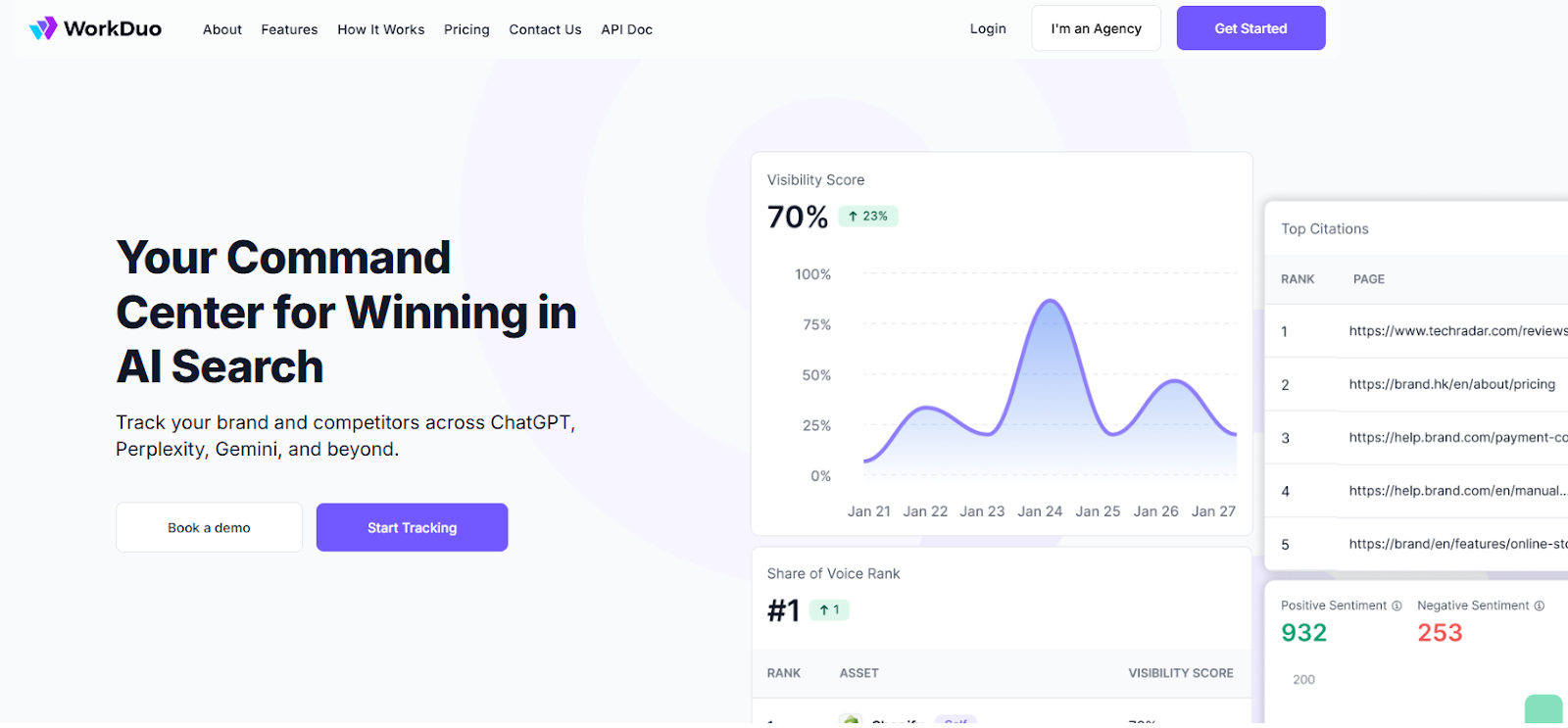
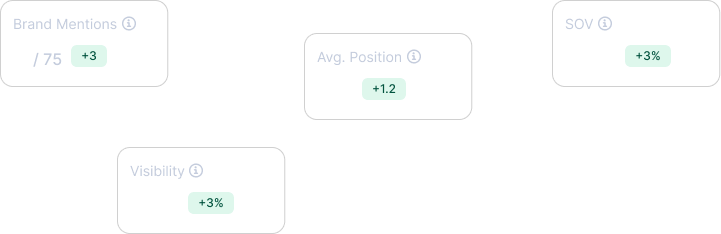
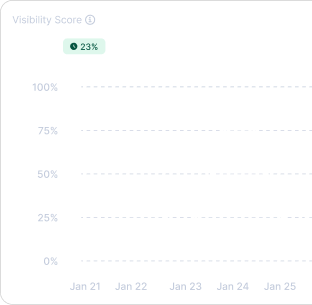
WorkDuo gives you a clear view of AI visibility performance: when you show up, how you’re described, which competitors dominate, and what to prioritize to improve your presence across AI answers.
Key Features:
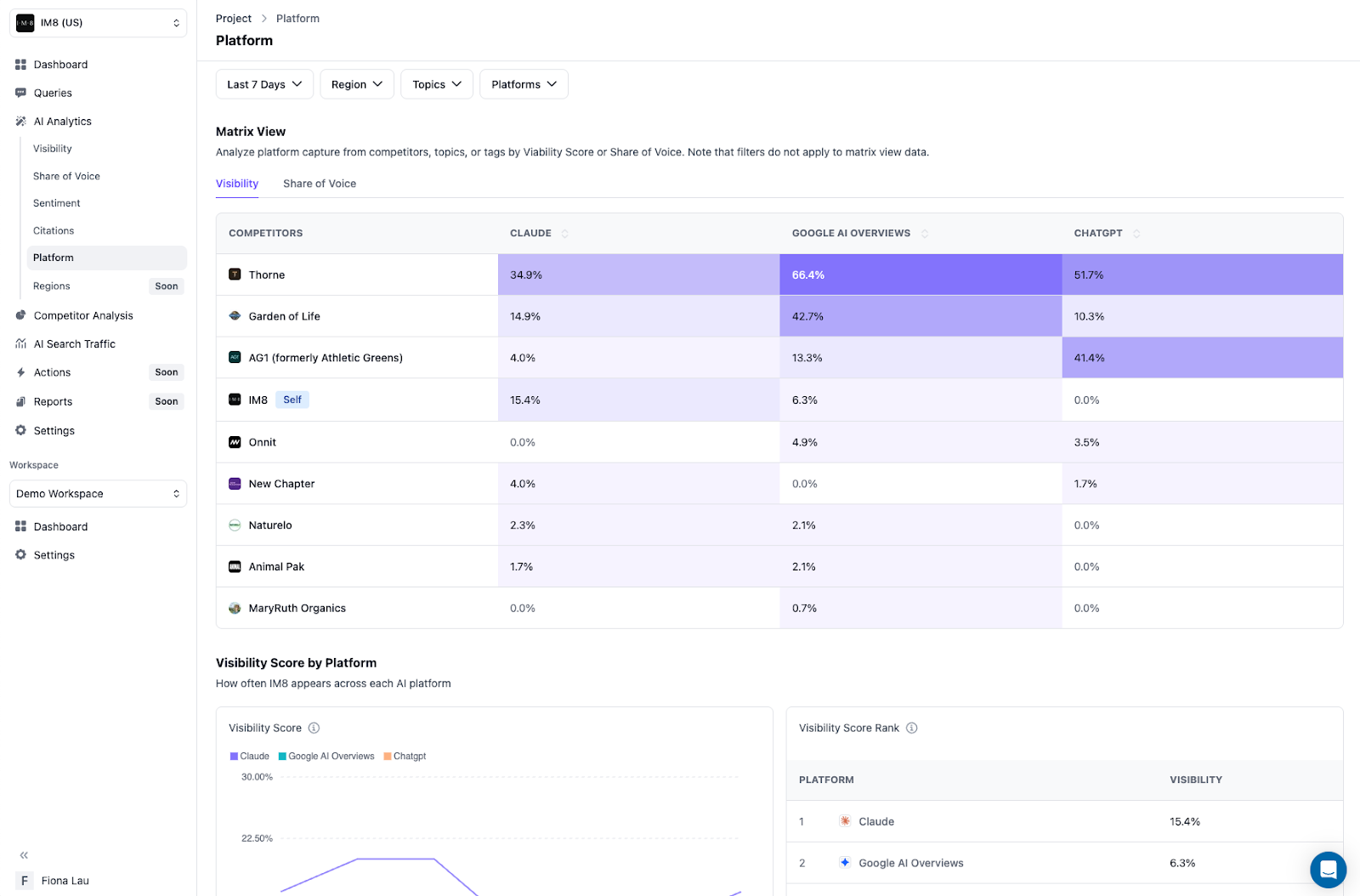
- Multi-Platform AI Visibility Tracking
Track your brand’s visibility across major AI search interfaces like ChatGPT, Google AI Overviews, DeepSeek, Claude, and Microsoft Copilot.
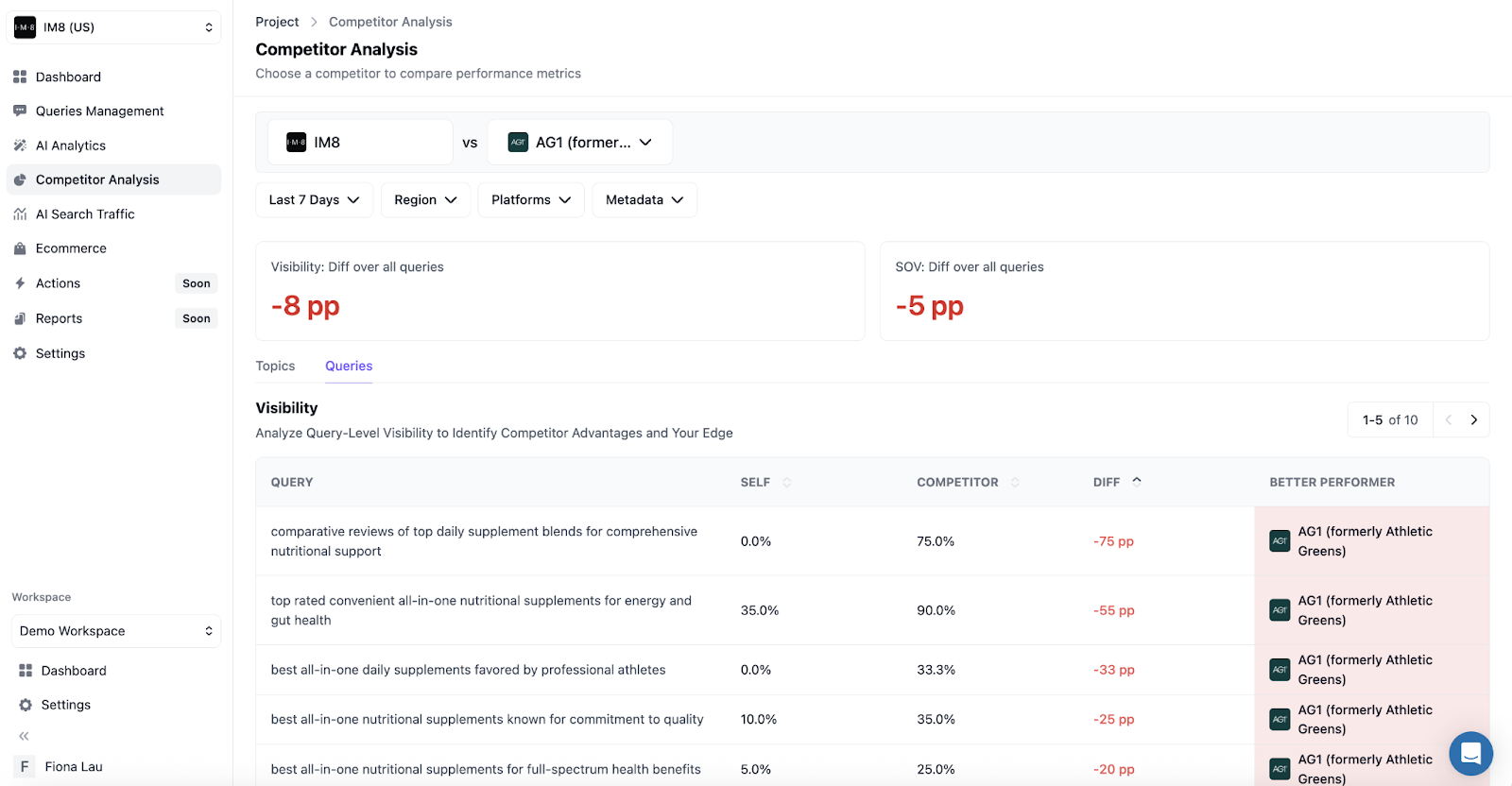
- Competitor Benchmarking
See exactly where competitors are recommended over you for specific prompts.
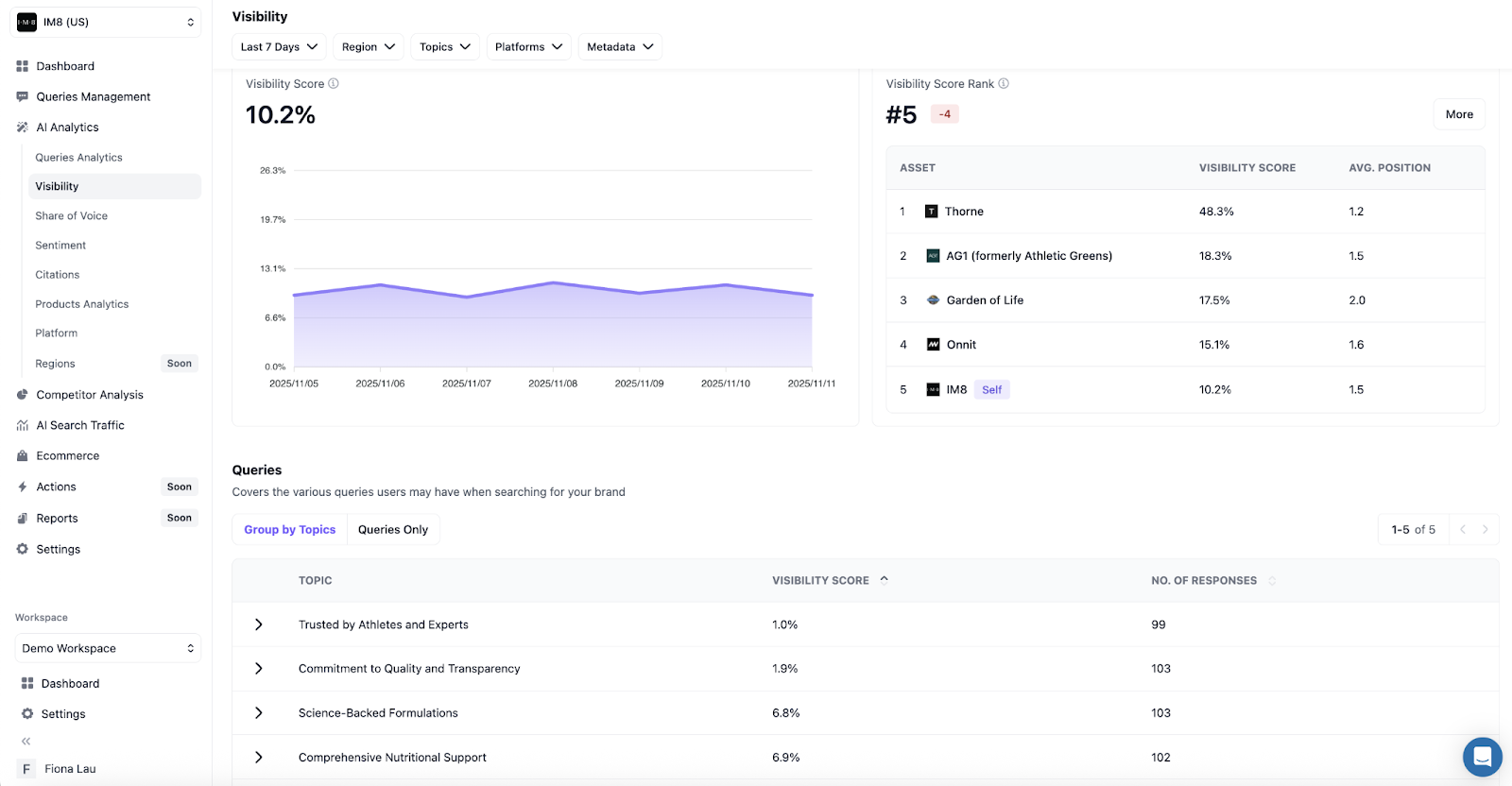
- Visibility and Ranking Position
Track mention rate and position in AI responses.
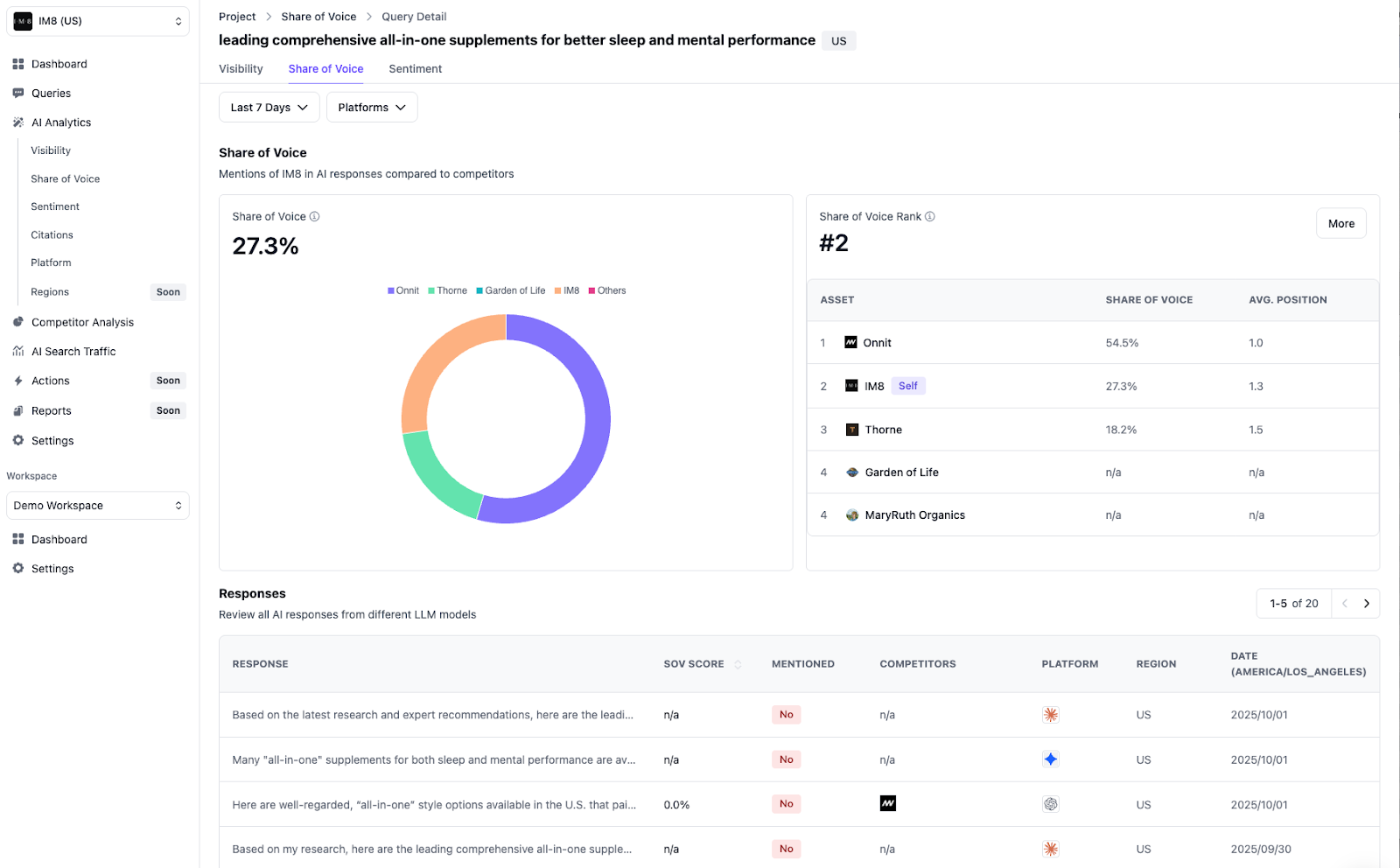
- Share of Voice Across Prompts
Quantify “how often you’re talked about” across your key topics.
- Sentiment and Theme Grouping
Organize mentions into sentiment + themes so the insights translate into action.
2. Peec AI: Best for Lightweight GEO Tracking
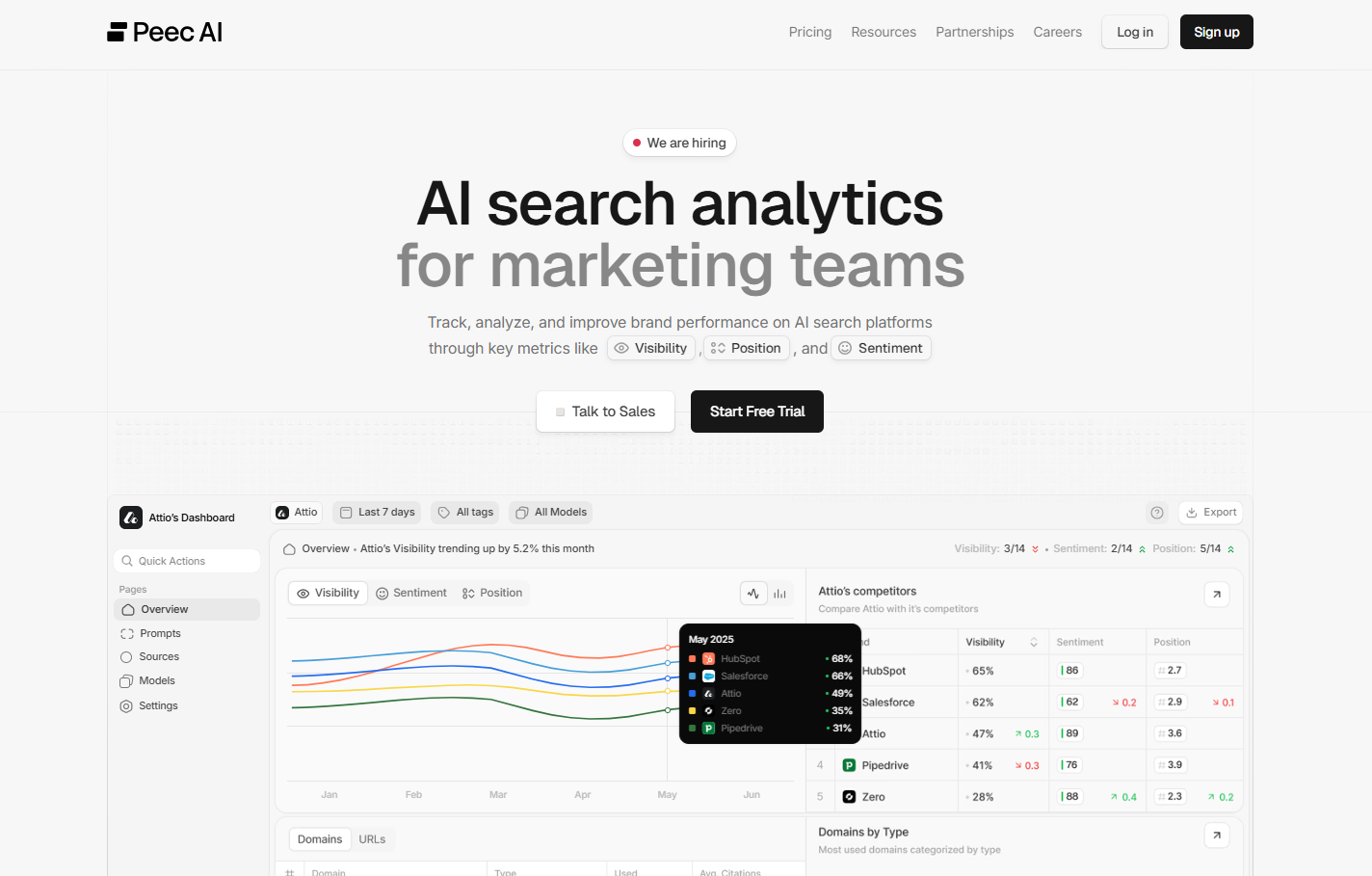
A simple AI search analytics tool that tracks how your brand performs across AI answers and highlights the citations and prompts driving that visibility.
3. Profound AI: Best for Enterprise-Grade AI Visibility Tracking
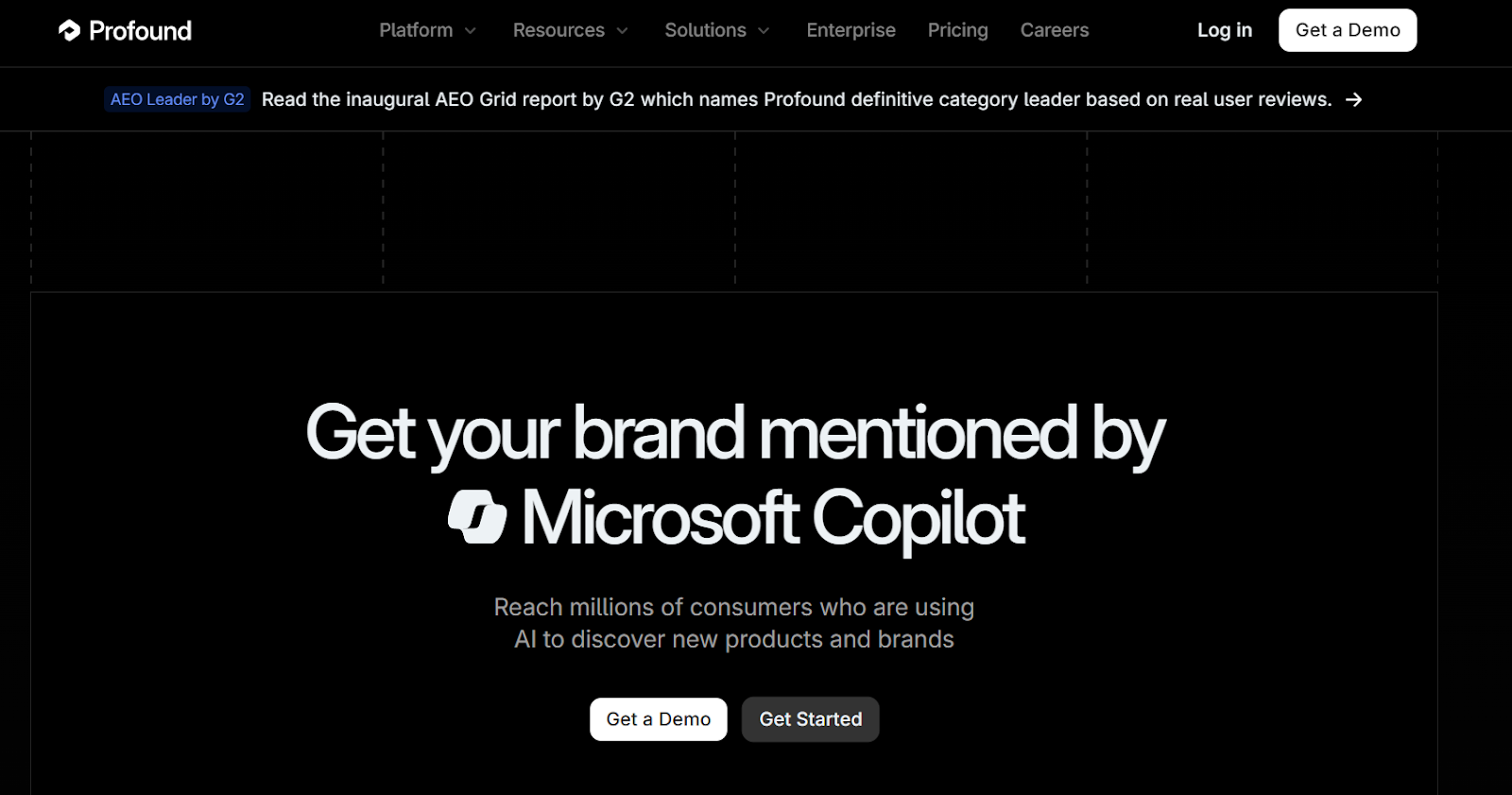
An AI visibility platform built for deep, multi-surface tracking, showing where your brand appears in AI answers, what’s being said, and which sources power those responses at enterprise scale.
Generative Engine Optimization (GEO) Best Practices
Use these GEO best practices to increase AI visibility and citation consistency.
Common GEO Mistakes You Should Avoid
Let’s look at the most common GEO mistakes that quietly limit AI visibility.
Future of Generative Engine Optimization and Trends
GEO is shifting from a niche tactic into an essential, mainstream component of digital marketing as AI search becomes the default way people research and decide.
- Brand visibility without clicks: Winning means being mentioned and cited inside AI answers, not just earning traffic.
- Rise of conversational and voice search: Queries get longer, more specific, and more “natural language,” so prompt-led optimization matters more.
- Authority beyond backlinks: AI tools prioritize trusted mentions on platforms like Reddit, YouTube, third-party reviews (G2/Capterra), industry blogs, and social media, making digital PR a bigger lever.
- Always-on monitoring: AI visibility tracking becomes as standard as rank tracking, so “AI visibility command centers” will sit alongside SEO tools.
Make GEO Measurable Across AI Search With WorkDuo
Make GEO measurable by treating AI answers like a trackable surface, not a black box.
WorkDuo helps you monitor how often your brand shows up across major AI search experiences. It also helps you spot where you’re missing and tie fixes back to real outcomes, like better mentions, cleaner positioning, and fewer competitor swaps.
The win is simple: you stop guessing and start running GEO with numbers. Get a clearer view of your AI visibility with WorkDuo.
Fiona is the Co‑Founder of WorkDuo AI, where she helps brands optimize their AI search visibility. Previously, she co‑founded SHOPLINE, a smart commerce platform in Asia, and led its successful exit to a NASDAQ‑listed company in 2022. With deep expertise in scaling tech businesses and working with global investors, Fiona now advises startups on growth and data-driven decision-making, while leading WorkDuo’s mission to improve how brands are represented in AI-driven search.

Ready to try our product?
Sign up for a free consultation with our experts.


Follow Us on Social Media
Follow our profiles for daily updates, behind-the-scenes content, and more.




More articles