How to Boost Ecommerce Sales with Generative AI (2026 Guide)
.png)
- Target revenue gaps: Use AI to identify specific ecommerce challenges, such as high cart abandonment or low conversion rates on your top-selling products.
- Prioritize personalization: Replace static pages with dynamic content to predict individual shopper needs in real-time.
- Test and scale: Apply AI updates in small, controlled tests to verify sales impact before applying successful tactics across your entire storefront.
- Monitor growth metrics: Measure success using bottom-line improvements, such as higher average order values and repeat purchase rates, not just technical performance.
According to McKinsey, 71% of consumers now expect personalized interactions, and 76% get frustrated when they don't find them.
Generative AI helps you shift from static pages to a store that proactively identifies and resolves these shopper frustrations in real time. This includes addressing growth blockers such as low conversion rates, weak product engagement, and missed repeat purchases.
In this guide, we explore 10 practical steps on how to boost ecommerce sales with generative AI in 2026. You'll also learn how to implement these AI strategies in your store to turn customer expectations into measurable revenue.
10 Top Strategies to Boost Ecommerce Sales with Generative AI
Here are 10 AI practical strategies that focus on increasing ecommerce revenue. They help you convert more visitors, raise order values, and recover missed sales.
1. AI-Powered Dynamic Product Descriptions
AI can automatically rewrite product descriptions based on user intent, traffic source, audience segment, or even where the shopper is in the buying journey. This makes product messaging more relevant at the point of decision, which can improve conversion rates without requiring teams to manually rewrite large product catalog
- Tailors copy to match what different shoppers care about most
- Helps brands test multiple messaging angles at scale
- Keeps product pages relevant while maintaining brand consistency
2. Real-Time AI Product Recommendations
Advanced AI can analyze live browsing behavior, session activity, and product interactions to recommend items that match a shopper’s immediate needs. This creates a more personalized shopping experience that feels timely and useful, helping customers discover the right product faster.
- Uses live session data instead of relying only on past behavior
- Reduces friction in product discovery
- Increases click-through rates and supports higher ecommerce sales
3. Intelligent Product Bundling
AI ecommerce automation can identify complementary products and generate bundle offers with a clearer value proposition. Instead of showing generic add-ons, it helps brands present combinations that feel more useful and personalized, which can increase average order value.
- Finds products that naturally fit together
- Makes bundle offers feel more relevant to the shopper
- Increases basket size without making the upsell feel forced
4. AI-Based Dynamic Pricing Messaging
AI can optimize how pricing is presented based on the shopper’s mindset, whether that means highlighting savings, urgency, affordability, or long-term value. This helps brands improve perceived value and conversion without always depending on deeper discounts.
- Adjusts the pricing narrative based on customer behavior
- Supports stronger conversion among price-sensitive visitors
- Helps justify the price in a way that feels more persuasive
5. Predictive Cross-Selling After Checkout
The post-purchase stage is one of the strongest moments to drive an additional sale. AI can analyze purchase behavior and suggest the most logical next-step products after checkout, helping brands generate more revenue when intent is still high.
- Recommends relevant follow-up products based on completed purchases
- Supports upsells through email, SMS, or on-site prompts
- Helps increase post-purchase revenue with better timing and relevance
6. Conversational AI Sales Assistants
Conversational AI sales assistants act like digital personal shoppers that This trend toward agentic shopping is redefining how consumers discover products through autonomous AI agents. By asking targeted questions and narrowing down options, they help shoppers feel more confident, especially when browsing complex or crowded catalogs.
- Helps customers find the right product faster
- Reduces overwhelm in large or technical catalogs
- Keeps shoppers engaged and shortens the path to purchase
7. AI-Powered Abandoned Cart Personalisation
AI can generate abandoned cart messages based on factors like cart value, product category, and user behavior. This makes follow-up campaigns more relevant than generic reminders, improving the chances of recovering lost sales. This is a key component of generative AI in ecommerce, where every touchpoint becomes a data-driven opportunity for conversion.
- Personalises recovery messages based on customer intent signals
- Makes email and SMS reminders feel more targeted
- Improves cart recovery rates without relying only on discounts
8. Multi-Language Store Expansion At Scale
AI supports faster localisation of product pages, ads, emails, and other store content for new markets. This allows ecommerce brands to expand internationally without building large content teams in every region, while still keeping messaging consistent.
- Speeds up content localisation for global markets
- Reduces the operational cost of store expansion
- Maintains message consistency across multiple regions
9. Generative AI For A/B Testing Variations At Speed
Generative AI makes it easier to produce multiple versions of headlines, CTAs, and product messaging in minutes. This helps teams run more tests in less time, leading to faster learning and better decisions based on performance data.
- Removes content bottlenecks in testing workflows
- Supports faster experimentation across pages and campaigns
- Helps identify higher-converting messaging more efficiently
Explore our resource on Generative Engine Optimization.
10. AI-Personalized Exit-Intent Popups
AI can tailor exit-intent popups based on user behavior, such as the products viewed, time spent on page, cart value, or referral source. This helps brands respond to likely objections before the shopper leaves, giving them a better chance to recover the visit.
- Delivers more relevant offers or reminders at the right moment
- Helps reduce bounce rates and lost conversions
- Makes popups feel more targeted instead of generic
How to Implement These AI Strategies in Your Store
This section translates the above AI-driven strategies into a practical rollout sequence. The focus is on applying them sequentially, reducing guesswork, and making improvements that you can track directly through changes in your sales performance.
Step 1: Highlight Where Your Revenue Is Leaking
Identify where your store is currently losing money. Use customer behavior, sales patterns, and funnel performance to see where shoppers hesitate, drop off, or abandon the buying journey before converting.
Is cart abandonment high? Are your best sellers getting traffic but not enough purchases? Are shoppers leaving after viewing product pages or dropping off at checkout? These are the signals that show where revenue is leaking.
Start with the area causing the biggest loss first. This helps you focus your time and resources on the changes most likely to improve revenue.
- Review drop-off points across product pages, cart, and checkout
- Compare high-traffic products against their conversion rates
- Identify whether the issue is discovery, confidence, pricing, or purchase friction
Step 2: Prioritize Changes That Are Easy To Launch And High Impact
Once you know where the leaks are, focus on improvements that are both practical to launch and closely tied to revenue outcomes. These may include product page messaging, bundles, pricing presentation, or abandoned cart recovery flows.
This step matters because not every idea deserves equal attention. Prioritising faster, high-impact changes helps you create early wins, reduce execution risk, and build momentum before moving into larger optimization projects.
- Focus on changes that can be launched quickly with minimal complexity
- Choose updates that directly influence conversion rate, order value, or recovered sales
- Prioritize actions that give you useful performance signals early
Step 3: Run Controlled Tests Before Scaling Anything
Apply changes in small, controlled tests instead of rolling them out across your entire store at once. This gives you a cleaner view of what is actually driving improvement and prevents you from making decisions based on mixed results.
A controlled test helps you isolate the impact of each change, whether that is a new bundle offer, a rewritten product description, or a personalized cart recovery message. It also reduces the risk of scaling something that looks promising but does not truly improve sales.
- Isolate what is working
- Avoid mixed signals from too many changes at once
- Make decisions based on real customer behavior
- Reduce the chance of wasting time on weak ideas
Step 4: Evaluate Results Based On Sales Impact
Measure performance using revenue-driven metrics, not surface-level engagement alone. A test is only valuable if it improves business outcomes such as conversion rate, average order value, or recovered revenue.
You should also look at whether the change improved performance for the right audience segment, page type, or product category. This gives you a stronger understanding of what worked and where it worked best.
- Track conversion rate, average order value, and recovered revenue
- Compare results against your original baseline
- Check whether performance gains are consistent across segments
- Focus on commercial impact, not just clicks or impressions
Check out our AI search visibility benchmarks.
Step 5: Document What Worked And Why
Before scaling any winning change, document what improved, where it improved, and why you believe it performed well. This creates a repeatable learning system instead of turning optimization into a series of isolated experiments.
Clear documentation helps your team avoid retesting the same ideas, improves future decision-making, and makes it easier to apply successful strategies across other products or campaigns. It also gives you stronger internal proof when reporting results to stakeholders.
- Record the test setup, audience, and variation used
- Note which metrics improved and by how much
- Capture possible reasons behind the performance lift
- Build a playbook your team can reuse
Step 6: Scale What Performs Best Across The Store
Once a change proves effective, apply it more broadly across relevant categories, product pages, campaigns, or customer flows. Scaling validated improvements is how you turn individual wins into wider revenue growth.
This is where optimization starts compounding. A tactic that improves one product line or one customer segment can often be adapted across similar parts of the store, creating stronger and more consistent gains over time.
- Roll out proven changes across similar products or campaigns
- Adapt winning strategies to fit different categories or audiences
- Monitor results as you scale to confirm the lift continues
- Turn successful tests into repeatable growth drivers
See How Your Ecommerce Brand Shows Up in AI Search with WorkDuo
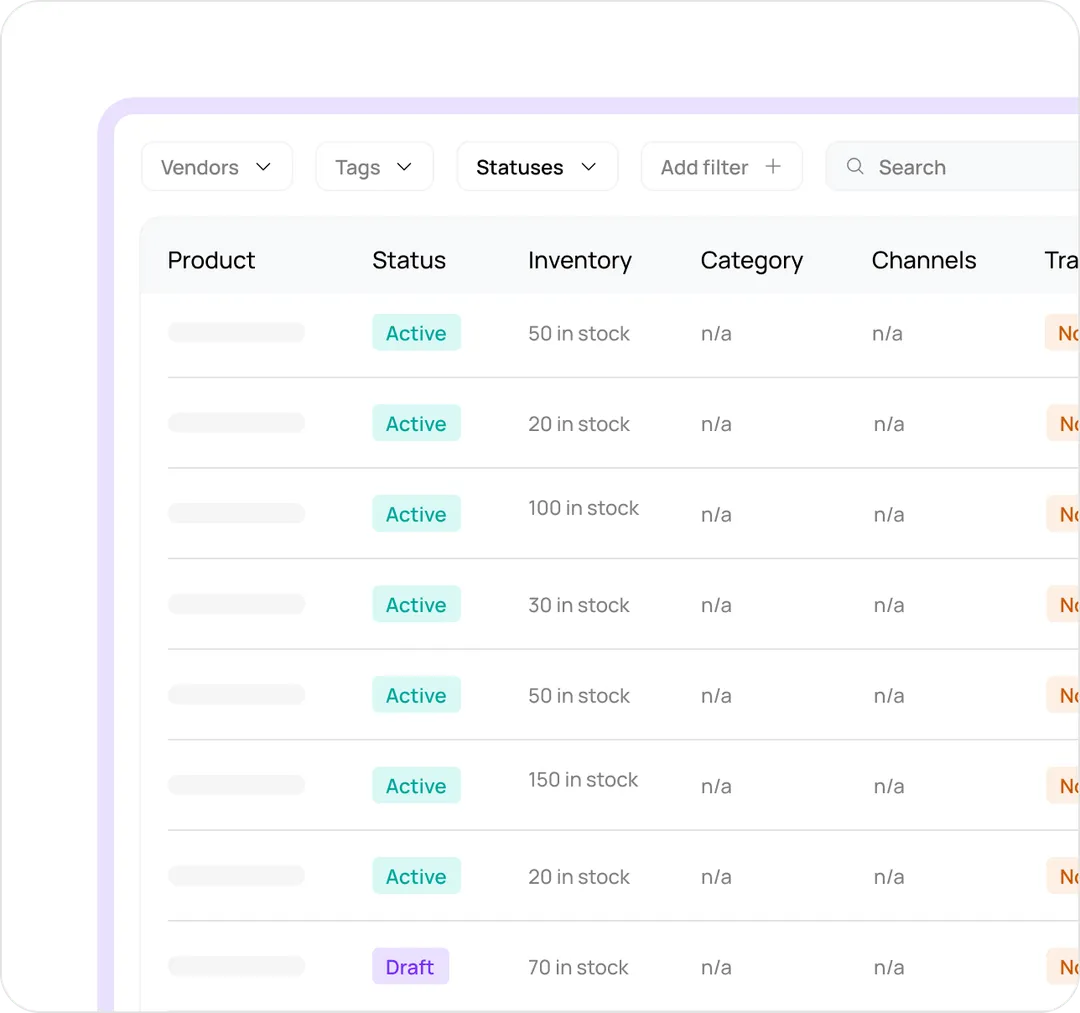
Internal store optimizations are essential, but your growth in 2026 also depends on external visibility. As shoppers shift toward conversational tools to find products, your brand needs to be a primary citation in those responses to capture high-intent traffic.
WorkDuo provides the clarity you need to see exactly how your brand is cited and recommended across the new search landscape. From tracking mentions in ChatGPT to analyzing your visibility in Perplexity, we help you understand and dominate the platforms where your customers are making buying decisions.
Get started with a free WorkDuo trial to analyze your brand's AI search visibility.
FAQs
What Is Generative AI?
Gen AI is a technology that creates content, including text, images, or recommendations, based on patterns in data. In ecommerce, it helps improve product content, personalization, and customer experience across their buying journey.
Is generative AI expensive to implement for ecommerce?
Not necessarily. Costs depend on scale and use case. Many generative AI ecommerce tools now include built-in features, allowing you to start with simple improvements before expanding further.
What mistakes should ecommerce brands avoid when using AI?
Common mistakes include:
- Using AI without clear goals
- Failing to test results
- Applying it across too many areas at once
Fiona is the Co‑Founder of WorkDuo AI, where she helps brands optimize their AI search visibility. Previously, she co‑founded SHOPLINE, a smart commerce platform in Asia, and led its successful exit to a NASDAQ‑listed company in 2022. With deep expertise in scaling tech businesses and working with global investors, Fiona now advises startups on growth and data-driven decision-making, while leading WorkDuo’s mission to improve how brands are represented in AI-driven search.

Ready to try our product?
Sign up for a free consultation with our experts.


Follow Us on Social Media
Follow our profiles for daily updates, behind-the-scenes content, and more.




More articles