AI Search Trends for 2026: What’s Changing & How to Adapt
.png)
- AI search in 2026 is answer-first. Visibility now depends on being mentioned, cited, and positioned within AI-generated responses, not just ranking in results.
- The top trends in AI-driven search optimization are measurable. Teams must monitor AI mentions, citations, sentiment, and competitive visibility, alongside traditional demand signals.
- Adapting to AI search requires fast iteration. Optimizing existing pages, filling evaluative content gaps, and continuously tracking AI responses are now crucial to staying visible.
AI search trends are shifting in a way that many teams still do not feel until it is too late. Ranking can look healthy, and traffic reports may remain stable, while AI responses quietly replace you at the critical moment.
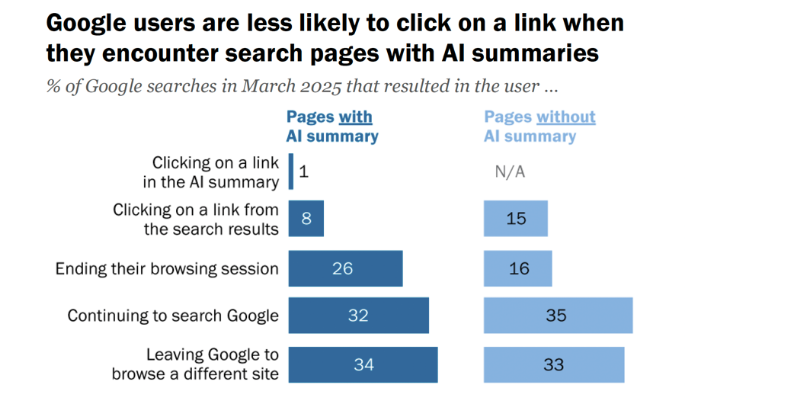
When AI-generated summaries surface, users click traditional search results far less often. Pew Research found that these clicks dropped from 15% to 8% when AI summaries appeared.
These AI-driven search optimization trends change who gets seen, trusted, and chosen.
In this guide, we show you the latest AI search technology trends, what to track, and how to adapt before visibility at the response level disappears.
What is AI Search?
AI search delivers responses generated by AI models, rather than returning a ranked list of links.
When a user types a search query, generative engines like Google’s AI overviews, ChatGPT, and Perplexity produce a synthesized answer with citations. Understanding the differences between traditional SEO and GEO is now critical for maintaining traffic.
This allows users to refine that response through follow-up questions. The experience is meant to resolve the user intent quickly within the AI search interface itself.
Here’s a simple comparison table between traditional vs AI search
In context, visibility is no longer defined solely by ranking position. It means whether your brand, page, or product is included, mentioned, or cited within the AI responses. Content missing from the AI response may be overlooked, even if it appears in traditional search results.
How AI Search Differs from Traditional Search
AI search trends alter the user journey by replacing a list of results with a direct answer. This is followed by suggested follow-up queries.
Often, the user does not need to click multiple links to compare information. Rather, they evaluate the AI-generated response first, then refine their query within the same interface. This can materially alter clicks and decision-making. According to Ahrefs, AIOs reduce clicks by 34.5%.
Still, a McKinsey analysis shows unprepared brands may experience a 20% to 50% decline in traffic. The remaining clicks from traditional search will most likely come from informed consumers who are further along in the purchase funnel. This is because decision-making shifts to AI platforms before these click happens.
Here’s what this changes for content:
- Pages must answer queries clearly and early
- Supporting content, such as comparisons, FAQs, and help pages, influences the outcome sooner
- Visibility depends on being included in the AI response, not just ranking
Common Reporting Mistake
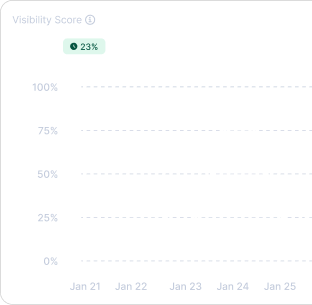
Brands make the mistake of tracking performance solely by traffic or rankings. Instead, teams should focus on tracking brand mentions in AI search to see how often they are actually being recommended. Traditional search reports may show “good performance,” while actual AI search visibility is low.
Here’s a simple way to group queries and the matching content
Major AI Search Trends in 2026
The top trends in AI-driven search optimization show how discovery, visibility, and decision-making are defined within AI-generated responses.
Here are the key trends in AI analytics for search to observe directly and translate into measurable actions:
1. Discovery Shifts From Result Lists to AI-Generated Answers
AI search now displays a synthesized response before a user interacts with traditional results. In Google AI Overviews, users get a summarized response and selected sources ahead of organic listings.
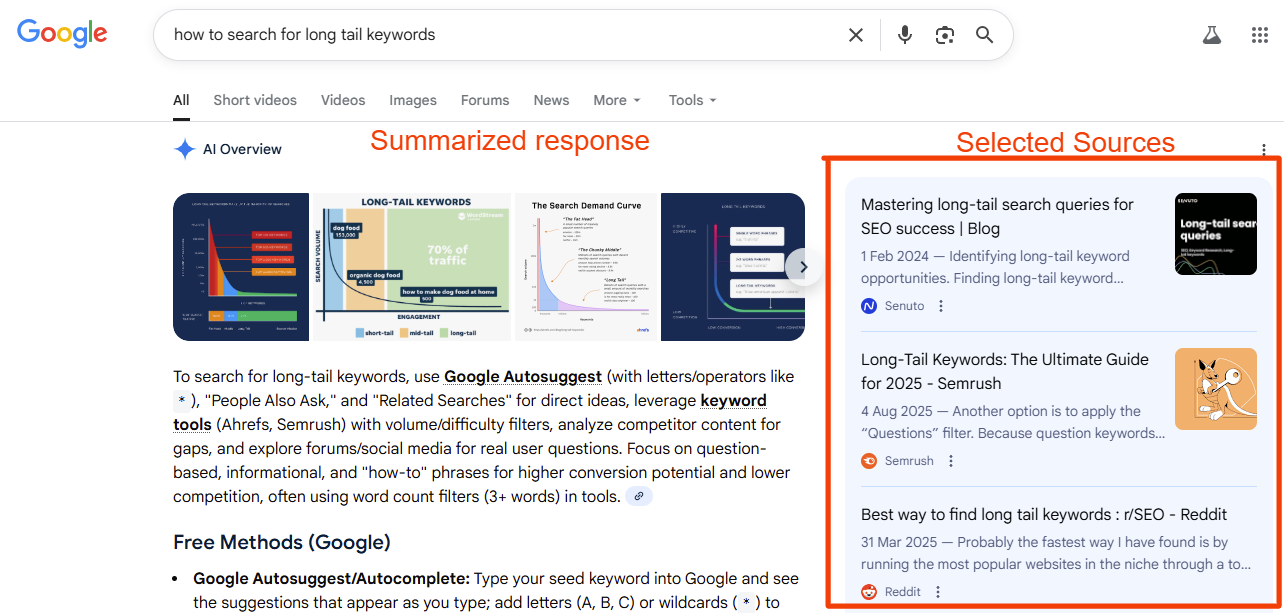
This has shifted discovery. Visibility is earned at the answer layer first, not after the click
Next Step:
- Define a fixed set of priority queries. This can be a range of 20-50 or any custom range.
- Review them weekly to record whether an AI-generated response appears.
- Check whether the response references your brand or pages.
- Determine the percentage of monitored priority queries in which your brand is mentioned or cited in the AI-generated response.
- Calculate this value and track it over time.
This is calculated as: Queries with inclusion/ total tracked queries
2. AI-Generated Answers Reduce Click-Based Discovery
AI-generated responses alter how users interact with search results. When answers are displayed directly on the results page, users are less likely to click through to traditional listings.
Behavioral data augments this change.
A Pew Research study found that when an AI-generated summary is displayed, users click the traditional search link in 8% of visits. They are less likely to click on a link when Google search results display AI summaries.
Next step:
- Identify priority queries where responses surface and compare CTR before and after their introduction
- Measure signal based on change in CTR for queries with AI-generated responses vs those without. Track this over time in GSC
3. Visibility Is Defined by Mentions and Citations, Not Ranking Position
Ranking highly in SERPs does not guarantee visibility in AI search.
A Semrush study found that more than half of the AI overviews on desktop and 60% on mobile did not cite the top organic results. Surprisingly, the Google AIO did not even link to any of the top 3 pages in 25% of desktop sessions and 38% of mobile sessions.
This means traditional rank does not directly translate into AI mentions and citations. You can use specialized tools for monitoring AI overviews to see which of your pages are actually being cited. Generative engines select sources based on extractability and relevance, not just rank position. This alters how visibility should be evaluated.
Next step:
- Take your top priority queries and check whether your page is mentioned within the AI response, even if you already rank in the top three
- Highlight mismatches where your competitors are cited instead
- Use these mismatches to prioritize the pages to rewrite or restructure to better align with the content types and formats cited in AI responses
4. Follow-Up Prompts Reshape User Intent Mid-Search
AI search sessions shift through follow-up prompts. They change intent within the same interaction. Instead of restructuring a query from scratch, users enrich it in place.
Here’s a sample Perplexity extract that asks for a follow-up question to guide users toward a more specific intent within the same flow.
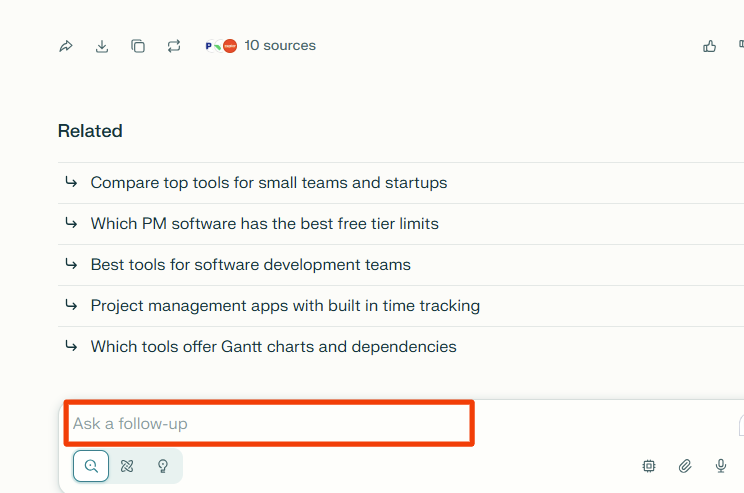
As intent narrows, different sources and page types are displayed to match the refined user intent.
Next step:
- Record the follow-up prompts displayed for priority queries
- Categorize them by modifier type, such as role, industry, or use case
- Determine the percentage of refined follow-up queries where your page is cited and narrowing intent
5. AI Answers Prioritize Product and Deep Context Content at Decision Stages
AI-generated answers show a strong preference for product-related pages, especially when users are evaluating solutions.
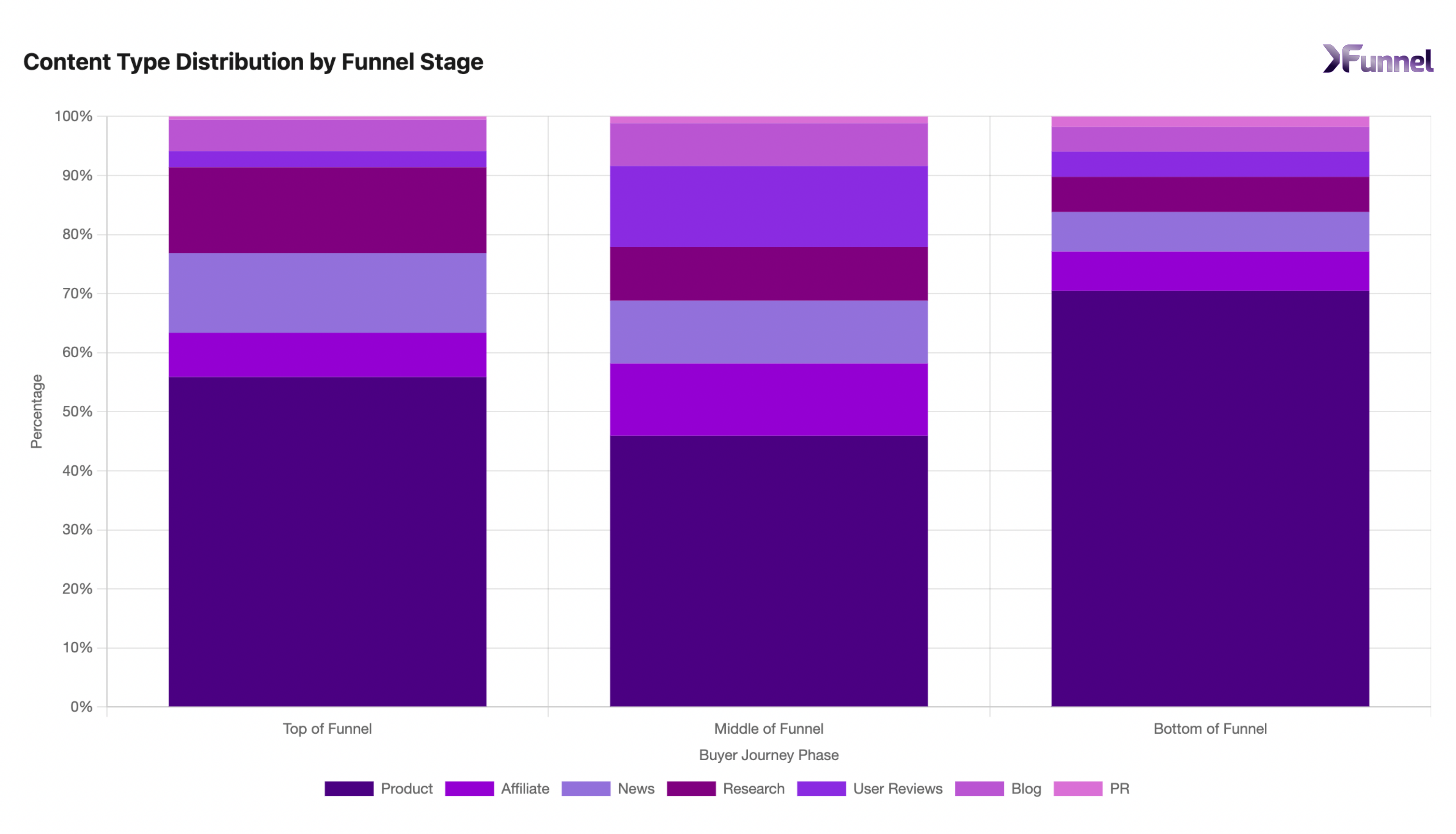
An x-Funnel analysis found that 46% to 70% of all cited sources were product-related pages. 56% were cited for TOFU, 46% for MOFU, and 70.46% for BOFU.
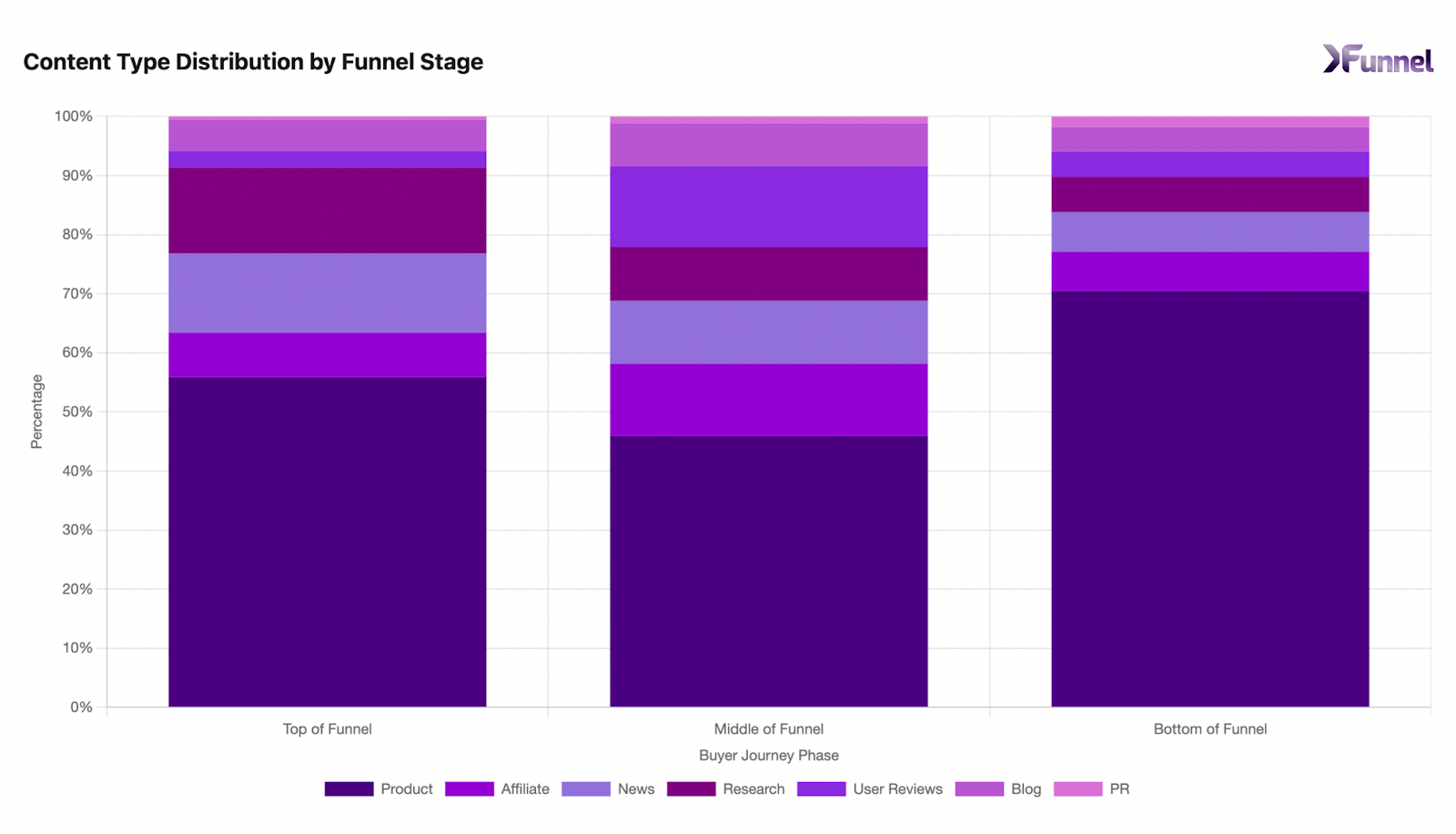
Additionally, detailed content such as vendor comparisons, listicles, best-of lists, and head-to-head comparisons dominate AI citations. This means that factually robust, authoritative content is very crucial in AI-generated citations.
Next step:
- Identify your product pages or solutions being cited in AI answers for decision-stage queries
- Compare this with the total decision-stage citation
- Expand and enrich them where gaps exist
6. AI Search Encourages Exploration Through Rich, Structured Results
AI search experiences guide users through results using structured and visual cues, in addition to text answers. It organizes information into steps, lists, categories, and visually augmented sections. This makes it easier for the user to scan and compare options.
Here’s a sample extract of how these surfaces on AIO
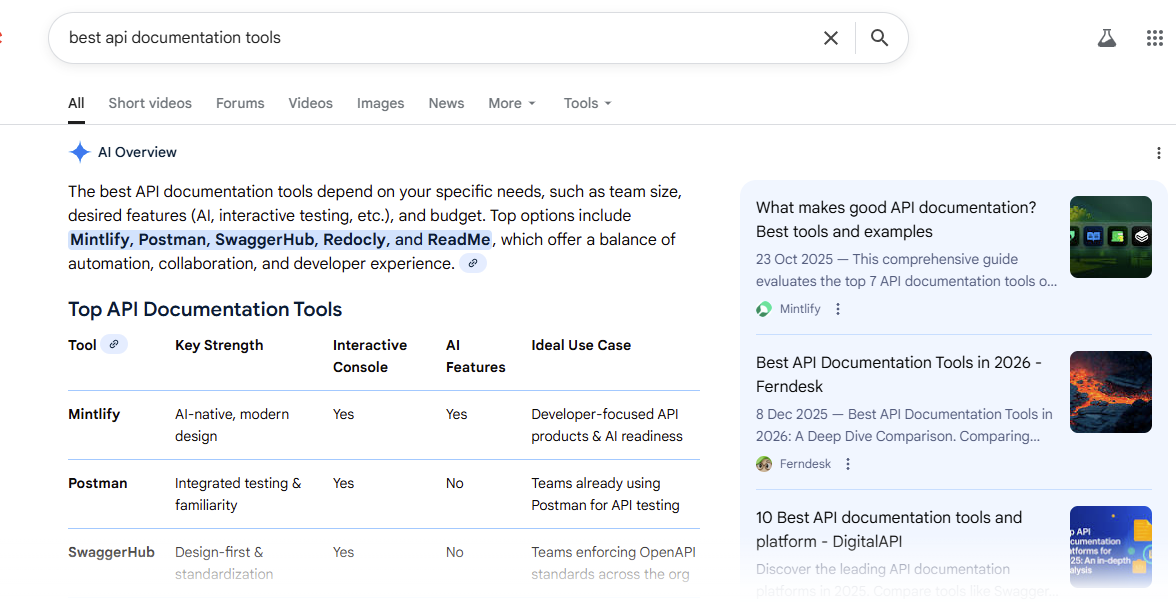
Rather than users reading long explanations, they explore clearly segmented content elements that display key points and next actions.
Therefore, clearly organized and skimmable content is more likely to influence how AI answers are structured and presented.
Next steps:
- Audit priority pages and restructure main sections into well-labeled lists, tables, or step-by-step format. These should directly address common queries.
- Track and measure the percentage of AI-generated answers that reuse structured elements from your pages over time.
7. Search Queries Are Becoming Longer and More Specific in AI Search
Users ask questions in a more natural, detailed language in AI search.
Google highlights that users are often searching for and asking longer, more complex questions. These may include use cases, constraints, roles, and outcomes.
A Semrush AI overview study also found that keywords that trigger AIO are often longer and more specific.
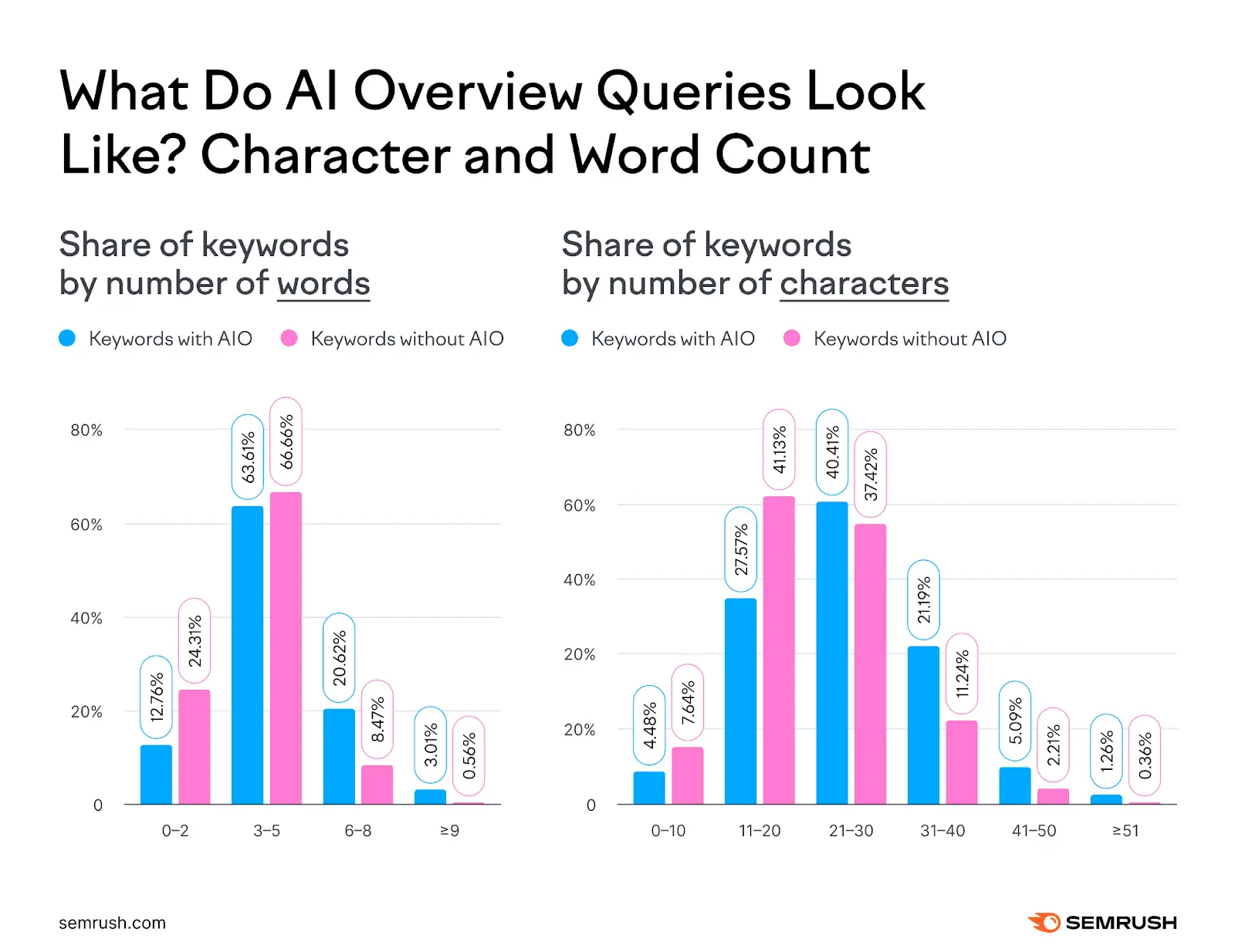
This trend alters execution. Content optimized around short, generic keywords may no longer align with how users express their intent in AI search.
Next step:
- Evaluate your Search Console query data and highlight longer, question-based queries.
This measures the average query length and share of long-tail queries across priority pages monitored over time.
8. AI Search Frequently Surfaces Community Content for Experience-Based Queries
AI-generated responses often reference community and social platforms. This is especially so when users search for recommendations, opinions, and real-world experiences.
According to Statista, Reddit was the top domain cited by LLMs in 2025, with 40.1%. YouTube was at 23.5% and Facebook at 20.0%.
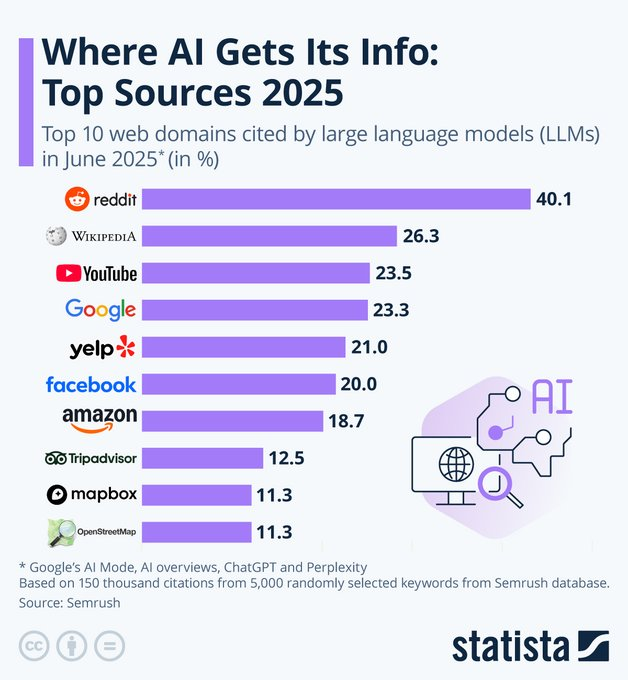
Semrush analysis shows that Reddit is the number 1 cited domain on Perplexity, with a 4% share; number 2 on SearchGPT, with a 13%; and number 3 on Google AI mode, with a 9% share.
This shows that conversational, experience-driven content is crucial in influencing how responses are structured.
Next step:
- Monitor the most cited communities or forums in AI responses
- Identify trends in the type of discussion question or theme that trigger these citations
- Measure signal by the percentage of priority AI responses that cite community content and the distribution of thread types over time
Which AI Search Metrics to Track and Report
AI search should be measured beyond clicks and rankings. These metrics show demand, visibility within AI responses, and competitive position across AI search experiences.
1. Brand Mentions in AI Answers
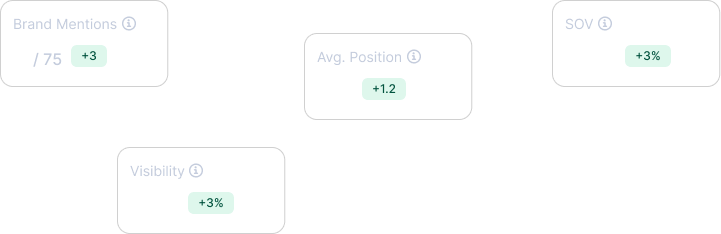
This KPI measures how often your brand appears in AI responses for tracked queries. The metric is among the most commonly referenced across AI search and GEO measurement frameworks.
How to track:
Define a set of priority queries and determine whether your brand appears in the AI answer.
2. Source Citations / URL Attribution
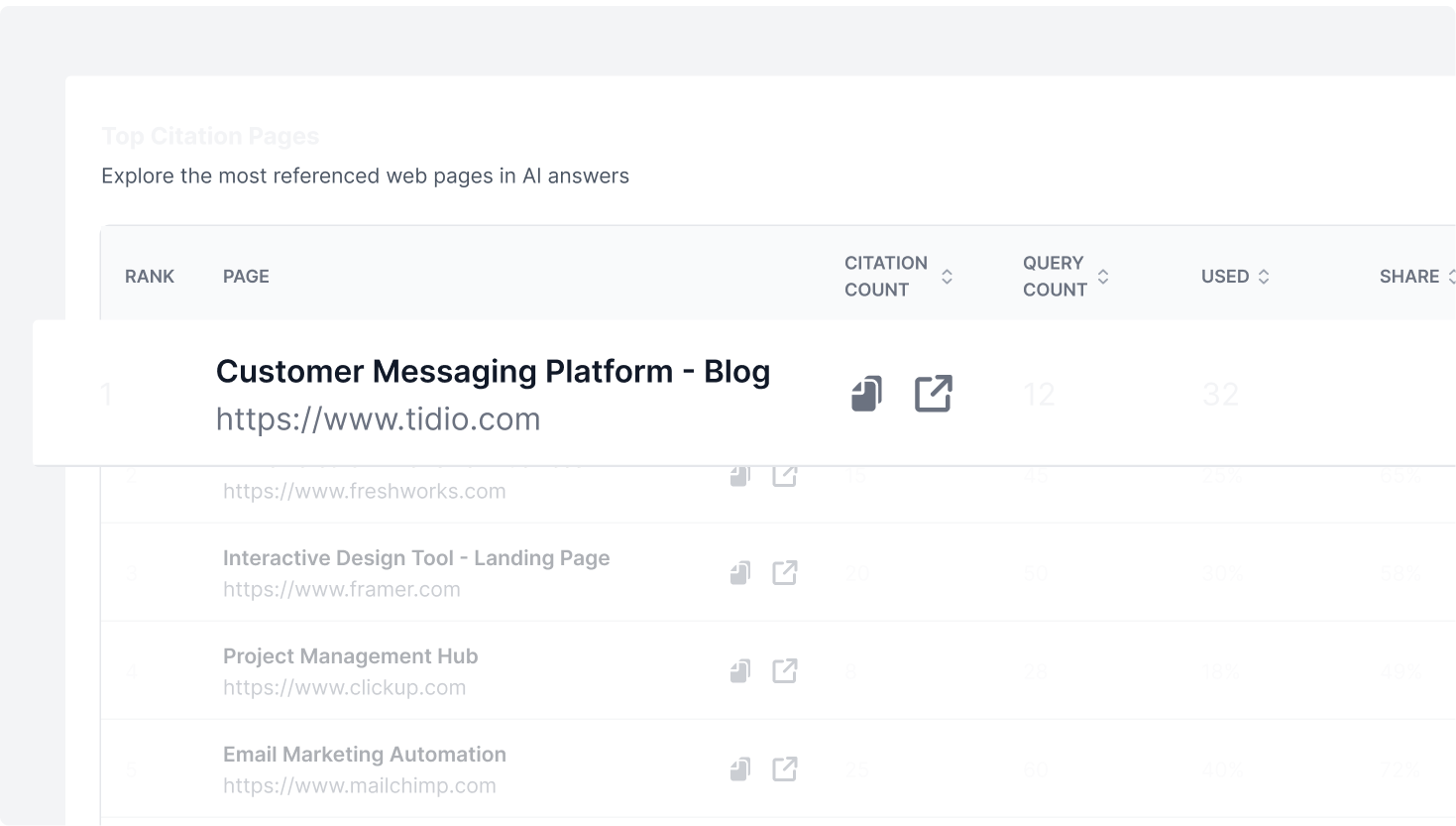
Citations monitor whether AI models reference or link to your page as a source when generating responses. Unlike brand mentions, citations signal that your content is being referenced as a source of truth.
How to track:
For every tracked query, identify the URLs or domains cited in the AI response. Then count how often your pages appear.
3. AI Share of Voice (Competitive Visibility)
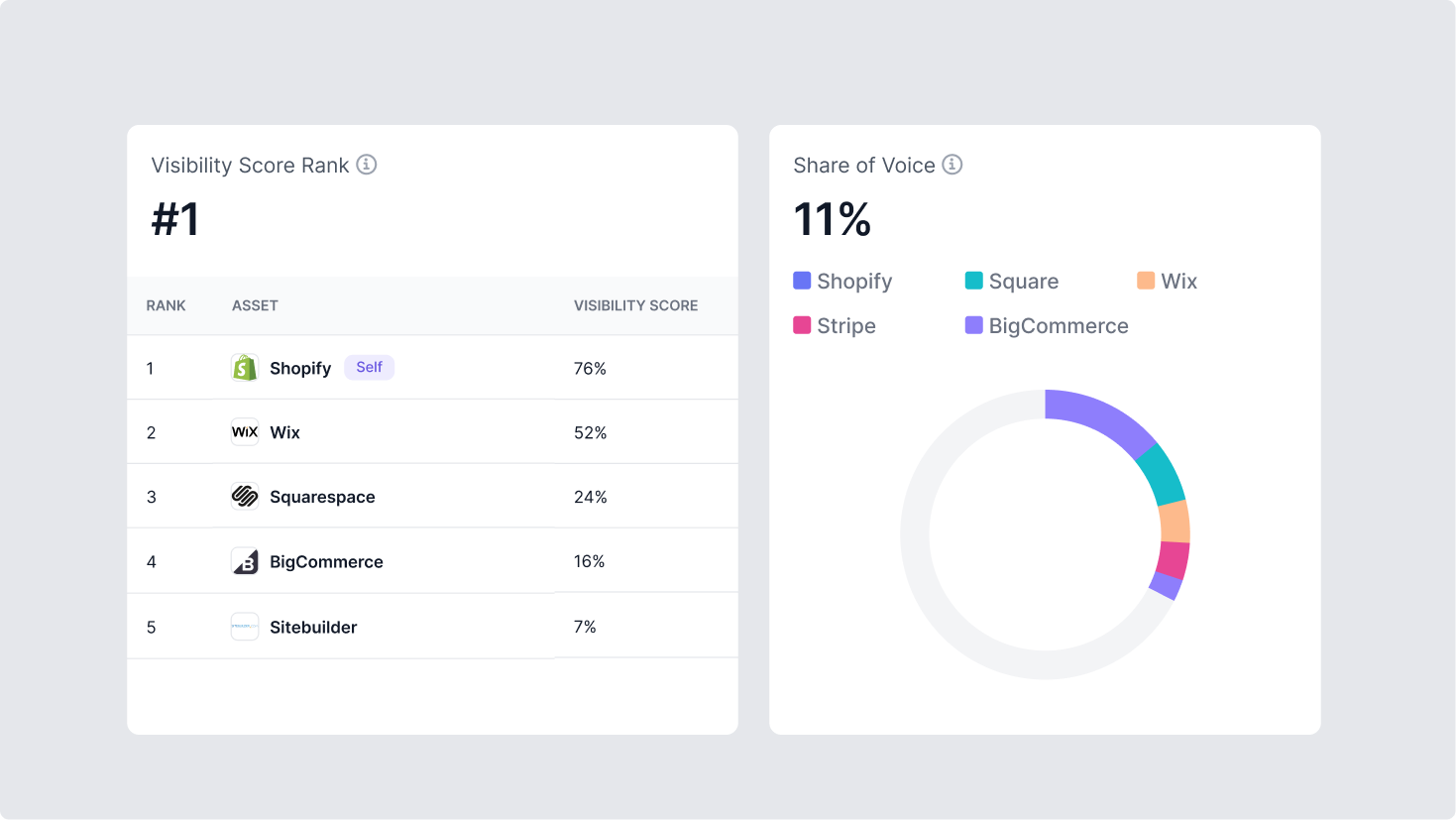
AI share of voice (SOV) shows how often your brand appears relative to competitors in AI-generated responses. Typically, AI answers display a limited number of sources or brands. This makes visibility inherently competitive.
How to track:
For every priority query, record all brands cited or mentioned in the AI answer, then compute your SOV relative to competitors across the entire query set.
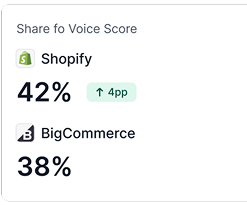
You can use WorkDuo’s SOV score to to track your AI share of voice and see how your brand stacks up against the competition.. A rising SOV signals that your content is being surfaced more often, even if immediate referral traffic lags.
4. AI-Attributed Traffic and Assisted Conversions
AI-attribute traffic measures leads, visits, and conversions that happen after a user interacts with AI-generated responses, even if the generative engine does not always pass clear referrer data.
Some models exclude referrer data or URLs copied and pasted by the user without clicking through. This may cause visits to appear as direct traffic.
How to track:
Monitor variations in branded search demands, direct traffic, and assisted conversions following the AI visibility spike. Then, correlate increases with periods of AI response inclusion.
You can use an AI search traffic analytics tool like WorkDuo or use or use this guide to tracking AI traffic in GA4 to capture and segment sessions from generative engines..
5. Sentiment in AI Answers
Sentiment measures how your brand is defined when it surfaces in AI-generated responses. Tracking this metric helps you understand how AI perceives your authority and reputation based on training data. These can model perception before a user clicks.
How to track:
Analyze AI responses that mention your brand and categorize sentiment as positive, neutral, or negative based on the surrounding language and context.
Analyze sentiment alongside SOV and brand mentions for richer insights.
To stay ahead of the search revolution, use an enterprise-grade tracking, analytics, and reporting tool such as WorkDuo. It equips you with real-time AI search insights, giving you control of how AI represents your brand.
Book a demo today to start tracking.
How to Adapt Your Content Strategy for AI Search
Adapting for AI search means:
- Fixing what already works
- Bridging high-intent gaps that AI engines rely on
- Operationalizing iteration based on real AI visibility signals
Here are the primary ways to adapt your content strategy for AI search:
1. Upgrade Existing High-Performing Pages for AI Extraction
Begin with the pages that are already ranking or generating impressions for queries that trigger AI responses. These are the pages closest to AI inclusion.
What to do:
Add concise summaries, direct answers, sound headings, and short lists near the top.
This gives your content faster AI visibility gains without generating new content.
2. Fill Evaluative and Decision-Stage Content Gaps
AI responses often surface comparisons, alternatives, and use-case content that several sites underserve.
What to do:
Create or expand your content for “X vs Y,” “best for,” pricing content, pros and cons, and real-world use cases tied to priority queries.
This improves visibility where users are actively evaluating options.
3. Systematize AI Visibility Monitoring and Iteration
AI responses shift faster than traditional rankings. This makes one-time optimization inadequate.
What to do:
Create a recurrent review process to track AI mentions, citations, sentiment, and placement for priority queries. Then feed these insights back into content updates.
This establishes sustained AI visibility rather than reactive fixes.
WorkDuo offers these AI visibility insights. It converts AI response tracking, competitive visibility, and content iteration into a repeatable workflow for brands and agencies operating at scale.
Turn AI Search Trends Into Measurable AI Visibility Wins with WorkDuo
AI search has created a new blind spot for marketing teams. Brands can lose visibility without losing rankings: citations, mentions, positioning, and sentiment now shape perception before a click. Yet most teams still lack an effective way to monitor AI search trends reliably.
WorkDuo solves this. The platform gives brands and agencies real-time visibility into how AI systems surface their data. This turns AI search optimization trends into clear, actionable insights you can actually optimize against.
Get started with WorkDuo today and see what AI says about your brand and competitors.
Fiona is the Co‑Founder of WorkDuo AI, where she helps brands optimize their AI search visibility. Previously, she co‑founded SHOPLINE, a smart commerce platform in Asia, and led its successful exit to a NASDAQ‑listed company in 2022. With deep expertise in scaling tech businesses and working with global investors, Fiona now advises startups on growth and data-driven decision-making, while leading WorkDuo’s mission to improve how brands are represented in AI-driven search.

Ready to try our product?
Sign up for a free consultation with our experts.


Follow Us on Social Media
Follow our profiles for daily updates, behind-the-scenes content, and more.




More articles